Arguments in Favour of Universalism (DP IB Global Politics: HL): Revision Note

All human beings are equal
Universalism states that all articles from the Universal Declaration of Human Rights (UDHR) apply to all people on earth and there can never be exceptions
This means that someone cannot be denied their rights for any reason, including
Gender
Race
Nationality
Social or economic status
Religion
Beliefs
Sometimes people in vulnerable positions within society are denied rights because it is argued they don’t deserve them
This is in opposition to the ideal of universalism and human rights norms
Case Study
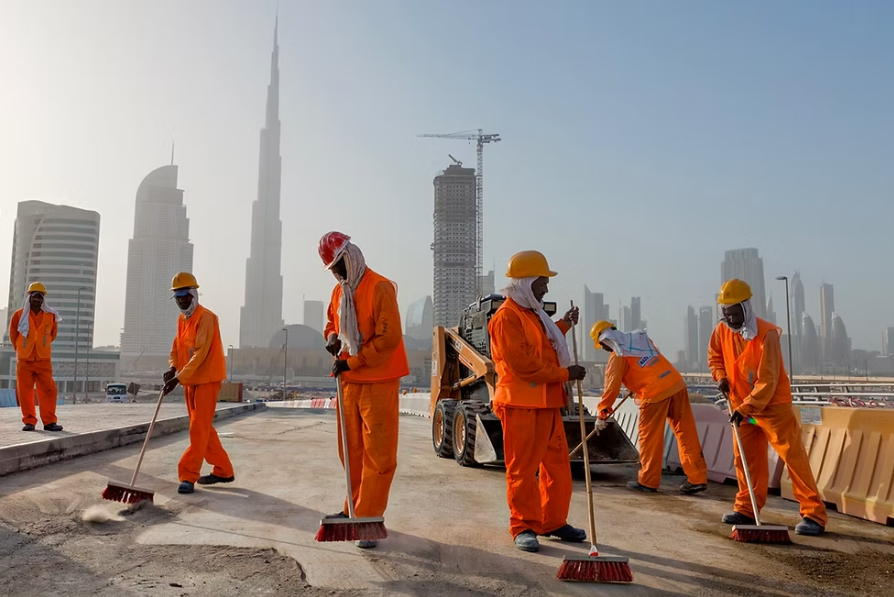
Migrant workers’ rights in the United Arab Emirates (UAE)
The United Arab Emirates relies heavily on migrant labour, particularly in sectors such as construction, domestic work and service industries
Millions of workers come from countries such as India, Pakistan, Bangladesh, Nepal and the Philippines. Migrant workers make up around 80–90% of the UAE’s workforce
Concerns about workers’ rights
Human rights organisations have raised concerns that migrant workers do not always receive the same protections as citizens
Some workers have faced issues such as:
low wages or delayed payment
poor living conditions
long working hours
restrictions on changing employers
Kafala sponsorship
Historically, migrant workers were employed under the kafala system, which linked a worker’s legal status to their employer
This could make it difficult for workers to leave jobs or report mistreatment, as they risked losing their residency status
Relevance to universalism
The UDHR states that all human beings are equal and entitled to the same rights, regardless of nationality or social status
Criticism of labour conditions in the UAE highlights debates about whether migrant workers receive the same rights and protections as others, raising questions about how fully the principle of universal human rights is applied in practice
Individualism takes priority over the group
Individualism is focusing on the needs of single people and their rights
The rights listed in the UDHR are written with the individual person in mind
They outline what rights every person should have and make the assumption that society as a whole will improve if individual rights are respected
Universalism means that the rights of the group can never be prioritised over the individual
The group’s needs (usually referring to wider society) come second in the UDHR
Some believe that this protects people from abuse by powerful actors who claim human rights abuses are culturally important or necessary
For example, Saudi Arabia claims that it is culturally acceptable to deny women equal rights to men because this would challenge existing power dynamics where men are most powerful
Pathway to peace
A pathway is the way or route to achieve a desired outcome
The United Nations and the UDHR both have the goal to ensure peace
Universal human rights are believed to be an excellent pathway to ensuring sustainable peace
It is widely agreed that conflict and war bring misery and destruction and so should be avoided as a top priority
The UDHR is therefore sometimes referred to as a pathway to peace
If human rights are protected and enforced people and communities will enjoy a better quality of life and be less willing to risk losing it by going into war
There is more likely to be conflict if marginalised or vulnerable groups in any society are denied rights
If people within the state have political rights, they can elect leaders who will maintain peace

Unlock more, it's free!
Join the 100,000+ Students that ❤️ Save My Exams
the (exam) results speak for themselves:

Was this revision note helpful?
