Most Affected, Marginalised or Vulnerable Groups & Individuals (DP IB Global Politics: HL): Revision Note

Most affected
Most affected are the stakeholders most impacted by the actions of political actors in addressing issues of rights and justice
They are often also marginalised and/or vulnerable
Depending on the political issue, those who are most impacted vary
Examples of most affected groups
Governments deciding on funding grants to build more schools | UN High Commissioner for Refugees (UNHCR) deciding to set up camps for people fleeing violence |
|---|---|
|
|
Marginalised
Marginalised people are perceived and often treated differently from the wider society simply because of their identity, including:
race
gender
sexuality
nationality
social class
economic status
Marginalised people can also be vulnerable, but this is not always the case
Marginalisation at different levels of global politics
Level | Example | Impact on human rights |
|---|---|---|
Global |
|
|
National |
|
|
Local |
|
|
Vulnerable
Vulnerable people are individual people susceptible to harm because of:
age (children and the elderly)
substance addiction
mental or physical health
lack of housing
The vulnerable can belong to marginalised groups, but this is not always the case
Vulnerable people often lack multiple human rights, including
a life of dignity
personal security
the right to a home
the right to social security
In addition, vulnerable people may not have equal access to justice
They may have had interactions with police and distrust them
They may not know how to seek justice
Their mental or physical state or age may prohibit them from seeking justice
NGOs and civil society organisations often focus on trying to promote rights and justice for vulnerable people
Case Study
Homelessness in India
Homelessness is a growing issue in India, particularly in large cities such as Delhi and Mumbai. Rapid urbanisation, poverty and inequality have contributed to increasing numbers of people living without stable housing
The issue highlights the challenges governments face in ensuring access to basic living standards
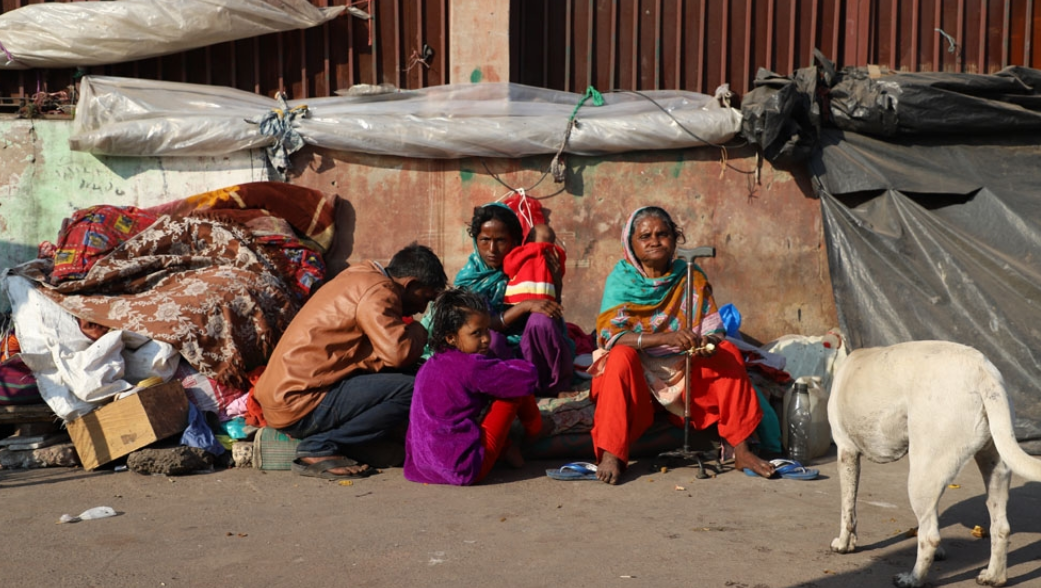
Causes of homelessness
Many people become homeless due to rural–urban migration, where individuals move to cities in search of work but cannot afford housing
Other causes include unemployment, rising living costs and lack of affordable housing, as well as displacement from development projects
The impact on individuals
Homeless people often lack access to basic rights, including adequate shelter, healthcare, sanitation and education
This can lead to poor health, vulnerability to exploitation and limited opportunities to improve their situation
Government and NGO response and limitations
The Indian government has introduced schemes such as the Pradhan Mantri Awas Yojana to increase affordable housing
NGOs also provide shelters, food and support services, but demand often exceeds supply
Efforts are limited by insufficient funding, rapid population growth and uneven implementation of policies
Many homeless individuals remain excluded from official support systems

Unlock more, it's free!
Join the 100,000+ Students that ❤️ Save My Exams
the (exam) results speak for themselves:

Was this revision note helpful?
