Regional Human Rights Tribunals (DP IB Global Politics: HL): Revision Note

Purpose and relation to IGOs
The United Nations is often said to represent global governance
However, regional IGOs and other actors claim they have a direct understanding of their region’s issues, and are therefore better able to monitor and enforce human rights
Many regional IGOs have their own documents outlining human rights
These are usually linked to the Universal Declaration of Human Rights (UDHR)
Some have their own courts to enforce these rights, including
The Organisation of American States
European Union
African Union
The European Convention and Court of Justice
The European Convention on Human Rights (ECHR) was signed in Rome in 1950
It was created to make human rights legally enforceable in European states
It is overseen by the Council of Europe (not the European Union), which is a separate organisation
All member states of the Council of Europe must follow the Convention
Individuals can take cases to the European Court of Human Rights (ECtHR) if they believe their rights have been violated
The ECtHR’s judgements are legally binding on member states, although enforcement depends on state compliance
The Universal Declaration of Human Rights (UDHR) is a declaration
This means it is not legally binding
The International Criminal Tribunal for the former Yugoslavia (ICTY)
The International Criminal Tribunal for the former Yugoslavia (ICTY) was established by the United Nations to prosecute serious crimes committed during the conflicts in the Balkans in the 1990s
It became one of the first major international war crimes tribunals since World War II and played an important role in developing global justice
Case Study
The International Criminal Tribunal for the former Yugoslavia (ICTY)
The ICTY operated from 1993 to 2017 and was based in The Hague, Netherlands
It was created to prosecute individuals responsible for genocide, war crimes and crimes against humanity committed during the conflict
Key achievements
The ICTY indicted 161 individuals, including senior political leaders and military commanders
Notably, it secured convictions against figures such as Radovan Karadžić (former President of Republika Srpska, convicted of genocide in 2016) and Ratko Mladić (former Bosnian Serb military commander, convicted of genocide in 2017)
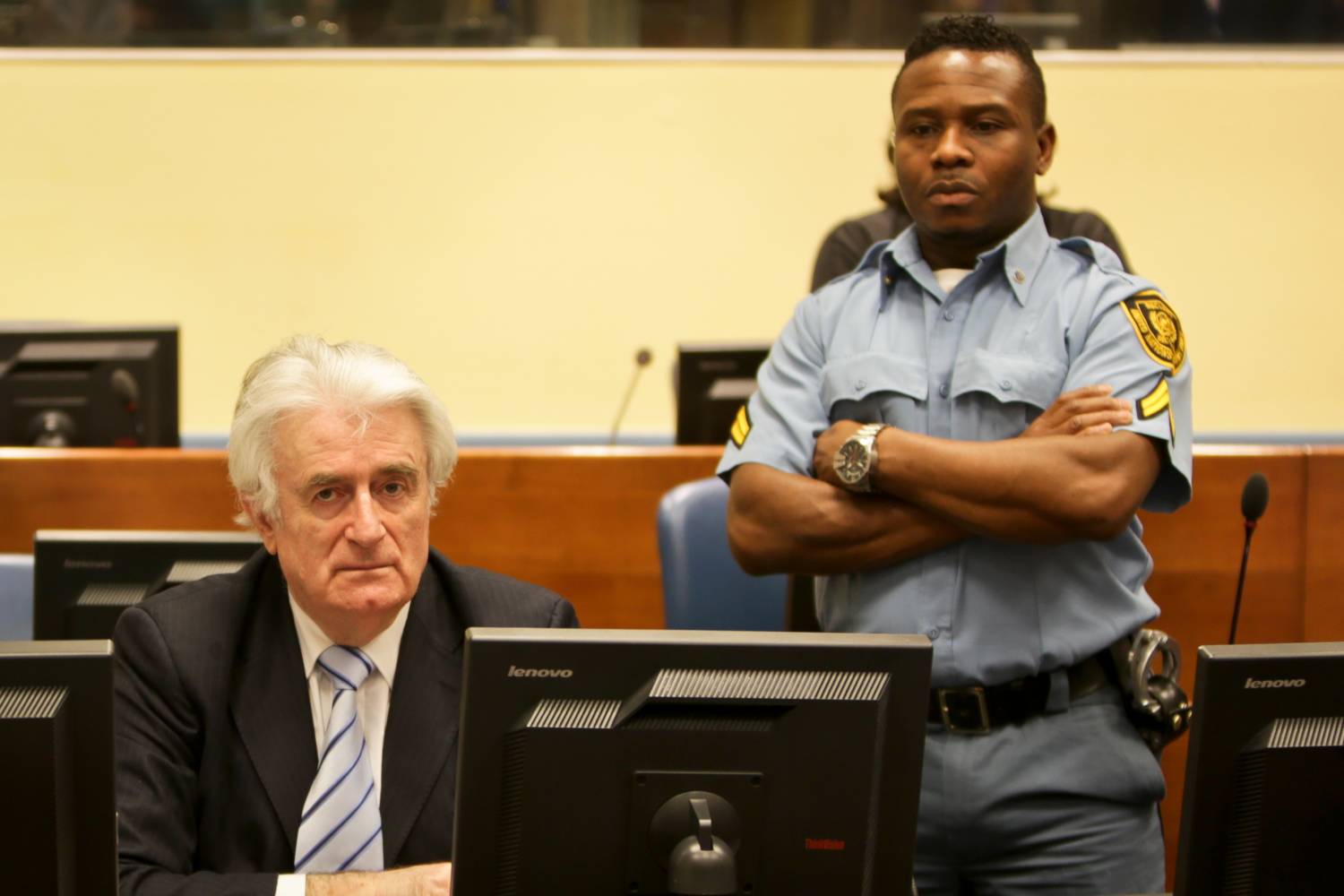
Role of victims
The tribunal allowed victims to testify and share their experiences
This gave them recognition and helped to create an official record of the crimes committed
Impact on justice
The ICTY helped establish the principle that human rights abuses during war are not excusable and even the most senior leaders can be held accountable
It also contributed to the development of later international courts, such as the International Criminal Court (ICC), and supported long-term efforts towards justice and reconciliation
It was a landmark institution that strengthened international law

Unlock more, it's free!
Join the 100,000+ Students that ❤️ Save My Exams
the (exam) results speak for themselves:

Was this revision note helpful?
