The Role of the State & National Governments (DP IB Global Politics: HL): Revision Note

Legal protection and monitoring
Legal protection means that human rights are guaranteed in the laws of the state and national governments
Monitoring involves governments or their agencies observing to make sure human rights laws are upheld
The state is the most significant actor when it comes to the legal protection and monitoring of human rights
Accepted global norms about state sovereignty mean that the state is responsible for the well-being of all citizens
Most states have constitutions that are unchangeable (or extremely difficult to change) and remain in place as governments come and go
Examples of state constitutions
Country | Example of a right from the constitution | Enforced by all state legal structures but in particular |
|---|---|---|
Germany |
|
|
Brazil |
|
|
South Africa |
|
|
Enforcement
Enforcement is the process of making sure rights outlined in laws are respected and followed
Some states may have laws which guarantee many rights to their citizens
However, unless these laws are actively enforced by the state and its agencies, they have little power
Who enforces laws within the state?
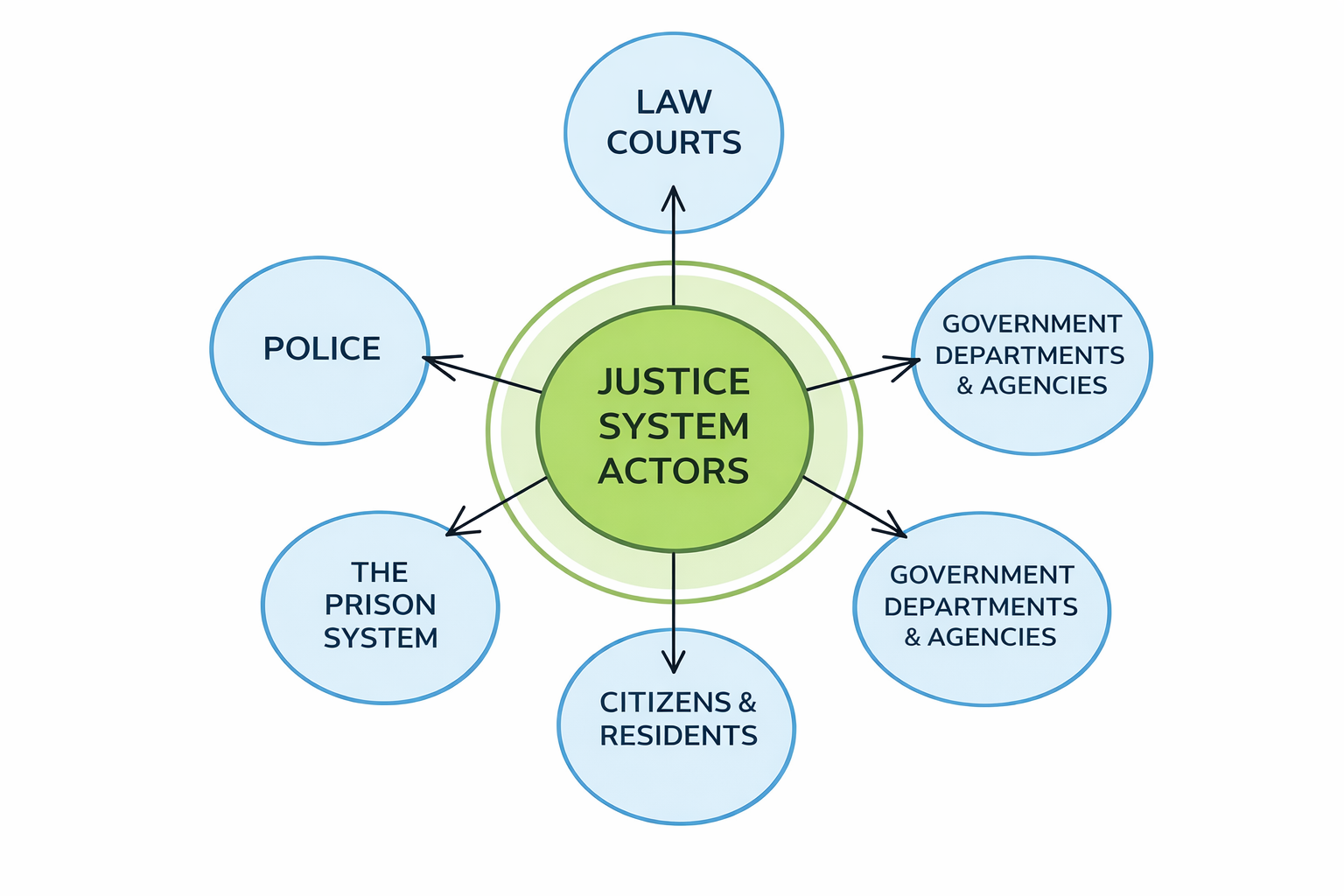
The police
Enforce laws by detecting crime, arresting suspects and maintaining public order
They act as the first point of contact in the justice system
Law courts
Interpret and apply the law by deciding guilt or innocence and issuing punishments
They ensure laws are followed fairly and consistently
The prison system
Enforces court decisions by detaining offenders and restricting their freedom
It also aims to punish and rehabilitate individuals
Government departments and agencies
Create, implement and monitor laws within specific areas, such as tax, health, and the environment
They ensure rules are followed through regulation and enforcement powers
Citizens and residents
Support enforcement by obeying laws, reporting crimes and serving as jurors or witnesses
Their cooperation helps maintain order and legitimacy
If state human rights laws are not well enforced, or are not applied fairly to all people, other actors may become involved
Involvement of other actors in enforcing the law
Actor | How they support enforcement of laws | Example |
|---|---|---|
Civil society, including NGOs |
|
|
Political leaders not currently in charge of the government |
|
|
Social movements |
|
|
Resistance movements |
|
|
Private actors including human rights activists |
|
|
Collaboration with multiple actors
Collaboration involves multiple actors from within and outside of the state working together on rights and justice
The state can be considered the most important actor in ensuring human rights are respected and enforced
However, collaboration between multiple actors is frequently visible in contemporary political issues involving rights and justice, particularly in times of crisis
Case Study
The Syrian Refugee Crisis
The Syrian civil war, which began in 2011, has created one of the largest refugee crises in the world
The protection of human rights has depended on cooperation between international organisations, NGOs, and wider global actors, Particularly on the matter of protecting the right to seek asylum during the humanitarian emergency
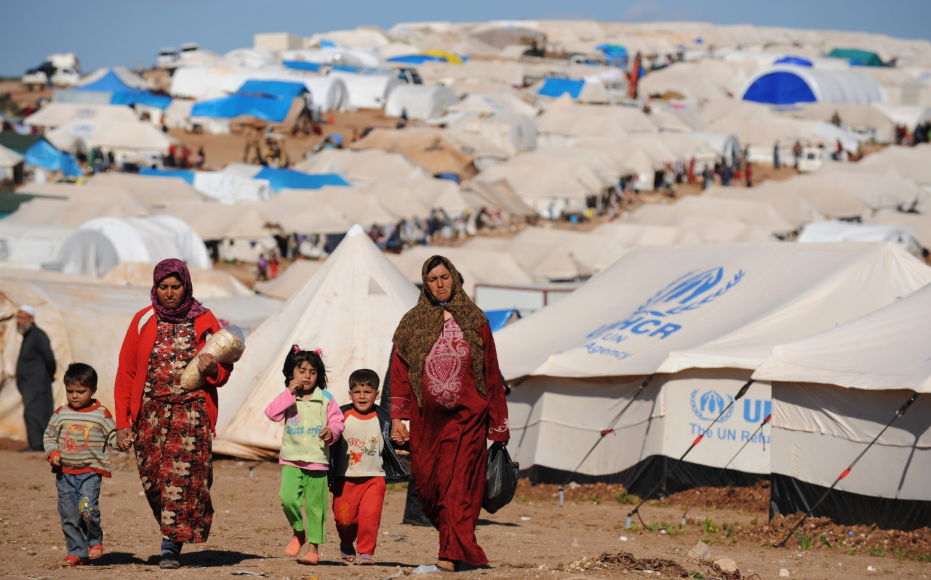
People fleeing violence
Millions of Syrians have fled conflict, persecution and instability, seeking safety in other countries
Neighbouring countries
Countries such as Turkey, Lebanon and Jordan have received large numbers of refugees crossing their borders
NGOs
Organisations like the Red Cross and Médecins Sans Frontières (MSF) have provided food, medical care and emergency support
United Nations
The UNHCR has set up and managed refugee camps and coordinated international aid
Social activists and media
Journalists and activists have shared images and stories of refugees, increasing global awareness and pressure for action
Other states
European countries and others have been expected to accept refugees through resettlement schemes, although responses have varied
Regional IGOs
Groups such as the European Union (EU) have attempted to coordinate responses and address the wider conflict

Unlock more, it's free!
Join the 100,000+ Students that ❤️ Save My Exams
the (exam) results speak for themselves:

Was this revision note helpful?
