Sources of Sovereignty (DP IB Global Politics: SL): Revision Note

Internal sovereignty
'Internal sovereignty' refers to the way the state manages to keep control over the people living within its borders
Laws and order are mostly maintained
Borders are secure
Government decisions and policies are enforced
Society is mostly stable and orderly
The people generally accept the power of the government
This is more obvious in democracies
The use of force is applied justly and fairly through policing and prison systems
Some states have stronger internal sovereignty than others
States where internal sovereignty has completely broken down are referred to as fragile or failing states
Case Study
Internal sovereignty in Germany
Germany is often seen as an example of a state with strong internal sovereignty
The German government is able to enforce laws and policies across its territory, and institutions such as the police, courts and prison system maintain law and order

Authority of the state
Germany’s borders are controlled, and decisions made by the federal parliament are generally implemented effectively by national and regional authorities
German society is also relatively stable and orderly
Significance
Most citizens accept the authority of the democratic government and follow the rule of law
When force is used by the state, it is expected to be applied legally and proportionately through policing and the justice system
External sovereignty
'External sovereignty' refers to the ability of the state to act independently when dealing with other actors and states
This is closely related to power
External sovereignty comes from outside the state and is dependent on how other actors see and treat it
Economically and militarily powerful states tend to have higher external sovereignty and can more easily prioritise their own interests
A state with low external sovereignty is more likely to be vulnerable
Even when a state tries to maintain strong external sovereignty, its independence can still be affected by pressure from other powerful actors in the international system
Case Study
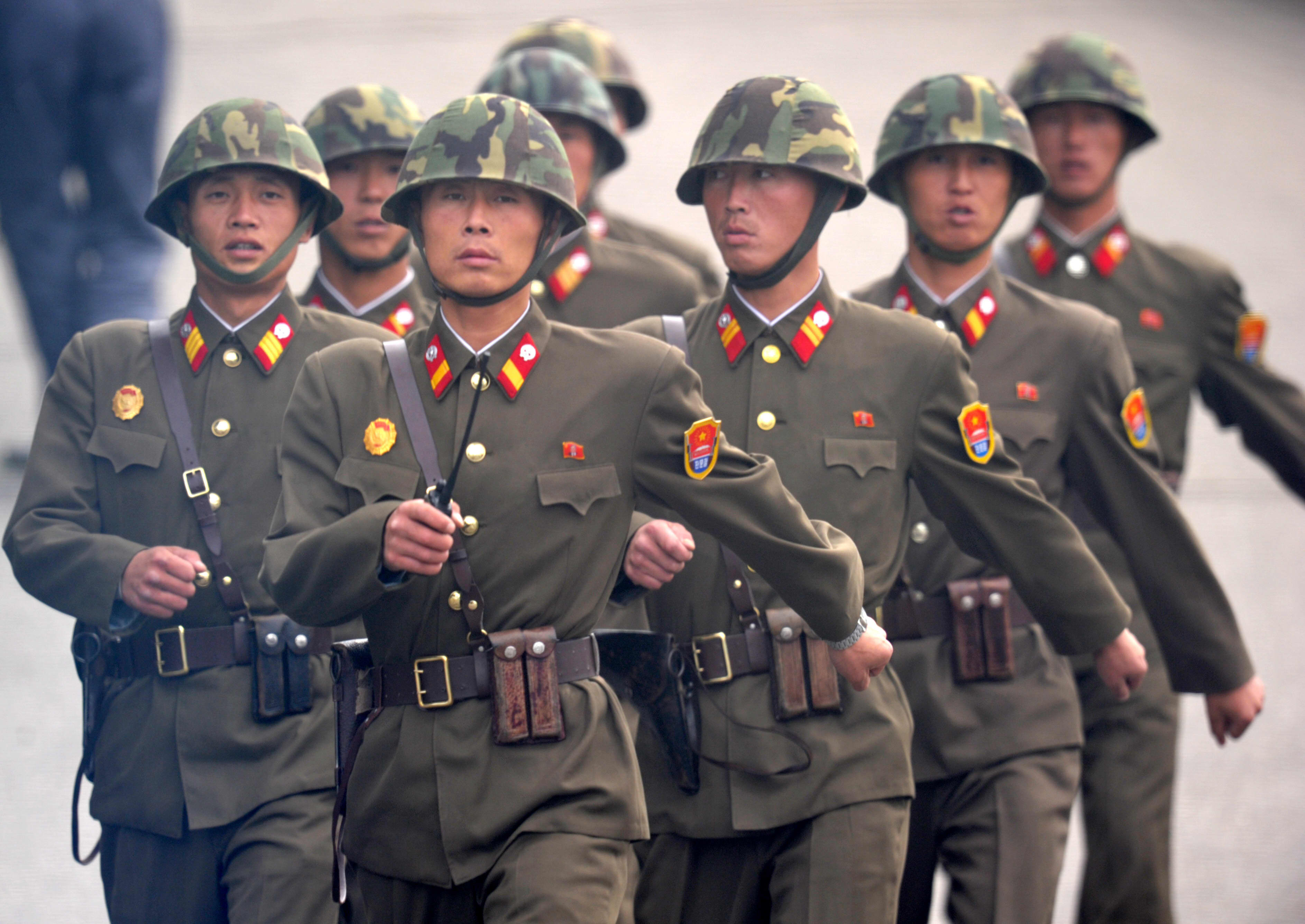
North Korea’s external sovereignty
North Korea is an example of a state that strongly protects its external sovereignty
The government aims to make decisions independently from other states and international organisations
Policies and actions
North Korea has developed nuclear weapons and missile programmes, partly to strengthen its position internationally and prevent other countries from interfering in its affairs
The government often rejects pressure from powerful states, such as the United States, and organisations like the United Nations
Significance
However, North Korea also faces economic sanctions from many countries because of its nuclear programme
These sanctions limit its trade and economic growth, showing the challenges states can face when asserting their independence in global politics

Unlock more, it's free!
Join the 100,000+ Students that ❤️ Save My Exams
the (exam) results speak for themselves:

Was this revision note helpful?