Legitimacy Gained from State Actors (DP IB Global Politics: SL): Revision Note

How non-state actors gain legitimacy
Non-state actors (NSAs) seek legitimacy by gaining acceptance and support from states, other actors and the public
They use a range of strategies to demonstrate their value, credibility and influence.
These strategies often involve:
Meeting societal interests
Building relationships with other actors
Demonstrating capability
Achieving meaningful goals
Capability and achieving goals
Legitimacy is often associated with state actors, but non-state actors can also be judged as to their legitimacy
Non-state actors could include
Civil society and NGOs
Protest movements
Resistance movements
Private actors
Companies
Religious groups
As states play a significant role in global politics, their perception of or acceptance of non-state actors is important
The capability and achievements of non-state actors can help determine whether they gain legitimacy from states
Capability is the ability of non-state actors to bring about change - in other words, how powerful are they?
Achievement is what they have changed - have they managed to meet at least some of their goals?
Real-world political issues reveal very complex relationships between state actors and non-state actors
Whether or not a non-state actor has state approval varies from case to case
This is true, even when the organisation provides humanitarian assistance
Meeting societal interests
Non-state actors can gain legitimacy by addressing important social, economic or humanitarian needs
For example, NGOs may provide aid, healthcare or disaster relief where states are unable to do so effectively
This can increase public support and make states more likely to cooperate with them
Case Study
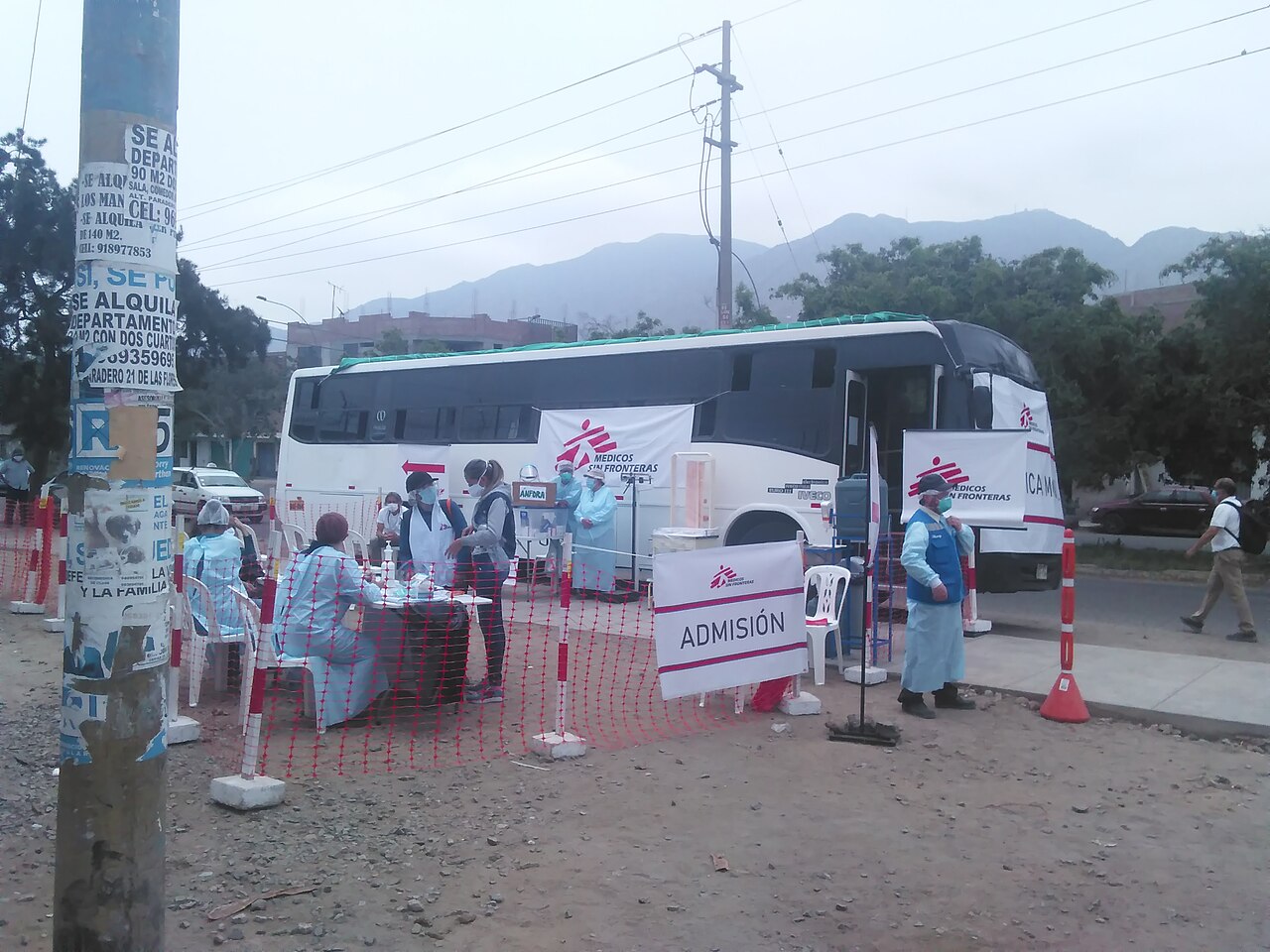
Médecins Sans Frontières (MSF) and state legitimacy
Médecins Sans Frontières is an international non-governmental organisation that provides emergency medical care during conflicts, natural disasters and humanitarian crises
Cooperation with governments
Sometimes governments recognise the legitimacy and value of NGOs when they provide services the state cannot easily deliver
For example, in 2025 the Yemeni government praised MSF for delivering emergency healthcare during a humanitarian crisis and stated it would cooperate with the organisation
Significance
However, states may also feel threatened by the influence of non-state actors, especially if they believe their authority is being challenged
In early 2026 Israel revoked MSF’s permission to provide medical aid in Gaza, claiming the organisation had links to extremist groups
Representation and relations with other actors
NSAs gain legitimacy by presenting themselves as credible and trustworthy actors and by building positive relationships with states and other stakeholders
Representation refers to how the NSA represents itself
Do they openly challenge the state and its policies?
Do they approve of violence?
What is their mission or purpose?
Relations refers to their relationship with states and their governments
Do they want to work with the state to help achieve common goals
Are they in opposition to the state?
Real-world political issues reveal very complex relationships between state actors and non-state actors
Whether or not an NSA has state approval varies from case to case, can change over time and may be viewed differently by different governments and political actors
Case Study
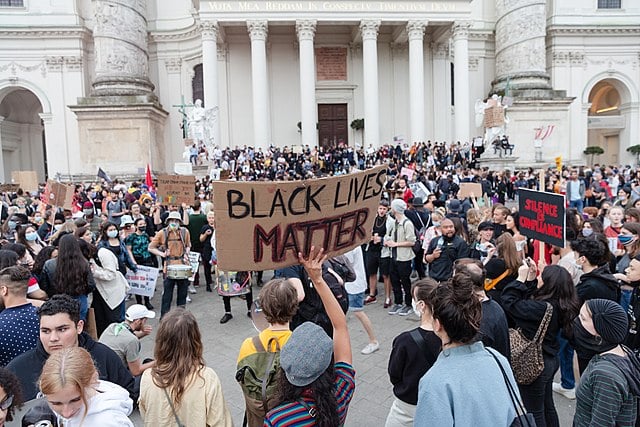
Black Lives Matter (BLM) and state legitimacy
Background
Black Lives Matter (BLM) is a social movement that began in the United States to protest racial injustice and police violence
The movement presents itself as a peaceful campaign for social change and aims to influence government policies and policing practices
Impact and recognition
BLM has had a significant impact on public debate and policy, including increased use of police body cameras and reviews of policing practices in some cities
This suggests that parts of the state and society recognise the movement’s legitimacy as a voice for reform
Contestation
However, BLM has also faced criticism and scrutiny, including allegations of financial mismanagement within some organisations connected to the movement
These accusations have damaged its legitimacy in the eyes of some actors
The movement’s legitimacy has also varied depending on the political leadership in power
For example, during his presidency, Donald Trump described BLM protesters as “thugs and anarchists”, indicating that his administration did not view the movement as legitimate
Examiner Tips and Tricks
The legitimacy of non-state actors is not fixed and can vary depending on their actions, effectiveness and how they are perceived by different actors

Unlock more, it's free!
Join the 100,000+ Students that ❤️ Save My Exams
the (exam) results speak for themselves:

Was this revision note helpful?