Hardest GCSE Physics Questions & How to Answer Them

Written by: Leander Oates
Reviewed by: Katie M
Last updated
Contents
- 1. Key Takeaways
- 2. What Makes a GCSE Physics Question ‘Hard’?
- 3. Exam Board Overview
- 4. Examples of Hard Questions with Model Answers
- 5. How to Approach Long-Answer Questions
- 6. Common Mistakes and How to Avoid Them
- 7. Practise More: Where to Find Challenging Questions
- 8. Frequently Asked Questions
- 9. Final Thoughts
- 10. References
Some GCSE Physics questions can feel overwhelming at first. You read the question once. Then again. And suddenly you’re not sure where to start.
That doesn’t mean you’re bad at Physics. It usually means the question is testing more than one idea at the same time — and that’s exactly what catches students out in exams.
The good news? These questions follow patterns. Once you know what to look for, they become much easier to handle. This guide breaks down the hardest GCSE Physics questions and shows you how to approach them step by step, so you can stay calm, stay focused, and pick up the marks you deserve.
Key Takeaways
Here are a few core ideas worth keeping in mind. These can make a huge difference in the exam.
Command words tell you how to earn the marks
Words like 'explain', 'calculate', and 'evaluate' aren’t just instructions — they’re hints.
They tell you how detailed your answer needs to be and whether the examiner wants numbers, reasons, or a judgment.
Working matters more than you think
In GCSE Physics, marks are often awarded for how you get an answer, not just the final number.
If you show your steps clearly, you can still pick up marks even if you make a small mistake along the way.
Clear structure helps examiners help you
Answers set out in logical steps or short paragraphs are easier to follow.
That makes it easier for the examiner to see your physics and reward it.
Unfamiliar questions are testing understanding, not memory
Some GCSE Physics questions look strange at first. That’s intentional.
They’re checking whether you can apply what you know in a new situation, not whether you’ve memorised a fact.
The physics itself hasn’t changed — only the context has.
What Makes a GCSE Physics Question ‘Hard’?
Some GCSE Physics questions feel straightforward. Others slow you down before you’ve even picked up your calculator. That difference usually isn’t about how much you’ve revised — it’s about what the question is really asking you to do.
The most challenging questions don’t test one idea in isolation. They test how well you can use physics.
They require linked thinking
High-mark physics questions often expect several steps to come together.
You might need to:
identify the relevant principle
choose and rearrange an equation
carry out a calculation
and then explain the result using physics language
If one link in that chain is missing, the answer can quickly unravel.
They rely on models rather than observations
Much of GCSE Physics is based on ideas you can’t directly see. Fields, forces, energy transfers, and electric charge are all described using models.
Without something concrete to picture, it’s easier to lose track of what’s happening — especially in explanation questions.
They place physics in unfamiliar situations
Examiners often set questions in real-world or unusual scenarios you haven’t practised before. That can feel unsettling, but it’s deliberate.
The aim is to check whether you understand the underlying physics well enough to apply it somewhere new.
They reward precision, not vague answers
In longer questions, marks are spread across several specific points. That means missing a unit, using imprecise wording, or skipping an explanation can all cost marks, even when the main idea is correct.
Calculations demand careful handling
Physics calculations often involve more than just one formula.
You’re expected to:
rearrange equations confidently
convert units accurately
use significant figures correctly
and show clear working
Doing all of this accurately, under time pressure, is what makes these questions feel demanding.
Why this matters
Once you understand what makes these questions difficult, they stop feeling unpredictable. With the right approach, they become structured problems you know how to tackle.
Exam Board Overview
If you’re studying GCSE Physics, your exam paper will likely come from AQA, Edexcel, or OCR. While the layouts and topic order vary slightly, all three boards are testing the same core thing: how well you understand physics, and how confidently you can apply it.
Here’s what that means in practice.
The big picture: more similar than different
All three exam boards follow the same national requirements for GCSE Physics. That means:
exams are linear (you sit all papers at the end of the course)
questions increase in difficulty as the paper goes on
higher-mark questions test application, not just recall
maths skills and practical understanding are assessed throughout
These expectations are set out clearly in the specifications for AQA (opens in a new tab), Edexcel (opens in a new tab), and OCR Gateway Physics A (opens in a new tab).
So while the paper might look different, the thinking behind the questions is very similar.
Does your exam board use tiers?
AQA, Edexcel and OCR Gateway Physics all use Foundation Tier and Higher Tier papers.
Foundation Tier targets grades 1–5
Higher Tier targets grades 4–9
This tiering is clearly set out in both specifications, including which content is assessed at each level and how the papers are structured.
Higher Tier papers contain harder questions, but both Foundation and Higher Tier papers increase in difficulty throughout the paper.
Calculations, maths, and problem solving
GCSE Physics exams across all boards place a strong emphasis on calculations.
Across all GCSE Physics exam boards, at least 30% of the marks are allocated to mathematical skills, with calculations and data analysis appearing throughout both papers.
You’re expected to:
select and rearrange equations
convert units correctly
use significant figures appropriately
interpret graphs and data
This is not optional. Mathematical skills are embedded across the entire course and assessed in both Foundation and Higher Tier papers, as set out in each specification’s mathematical requirements section.
This heavy emphasis on mathematical skills is one of the main reasons students find GCSE Physics challenging.
Working scientifically (yes, even in written exams)
All three boards assess Working Scientifically skills through written questions.
That includes:
analysing data
evaluating methods
interpreting graphs
explaining sources of error
applying models to unfamiliar situations
These skills are not tested in isolation. They’re woven into longer questions across both papers, particularly at Higher Tier.
Practical work still matters
Even though there is no practical exam, required practicals are assessed indirectly.
Questions may ask you to:
describe a method
explain why a method is suitable
interpret results from an experiment
suggest improvements
This is consistent across AQA, Edexcel, and OCR Gateway Physics specifications.
Different layouts, same challenge
AQA splits content across two equally weighted papers, with questions increasing steadily in difficulty
Edexcel uses a similar two-paper structure, with a strong focus on calculations and data handling
OCR Gateway Physics organises content into themed topics but still assesses skills synoptically across papers
Despite these differences, the hardest questions on every board share the same features: they combine ideas, demand clear reasoning, and reward structured answers.
Examples of Hard Questions with Model Answers
Question 1 – Practical-based levelled response (6 marks)
The Question
A student needs to determine the specific heat capacity of water.
Figure 1 shows some of the equipment the student uses.
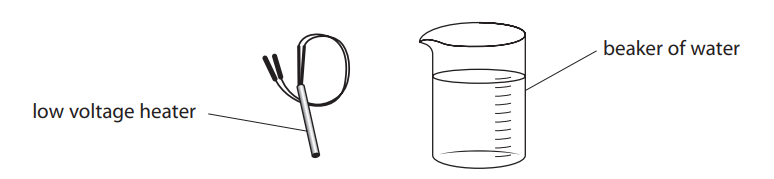
Figure 1
Describe the method the student should use to determine the specific heat capacity of water.
Your description should include, with reasons,
any other equipment needed
the measurements needed.
You may draw a diagram if it helps your answer.
Edexcel GCSE Physics, Paper 2, Foundation Tier, June 2022, Q9 d
How "Levels of Response" Marking Works
It is vital to understand that 6-mark questions in science are not marked by simply counting six correct points.
Instead, examiners use a "Best Fit" approach based on levels.
Examiners are instructed to:
Read the whole answer: The examiner reads the entire response to get a "feel" for the scientific quality.
Assign a Level: The examiner chooses the level that best fits the response based on the content and the quality.
Assign a mark: Once the level is chosen, the examiner decides if it is the top or bottom of that level based on the clarity and scientific accuracy (e.g., Is the physics correct? Is the grammar clear?).
The level descriptors are:
Level 1 (1-2 marks): Basic / Fragmented. The student mentions some relevant equipment or measurements but doesn't link them into a working method.
Level 2 (3-4 marks): Sound / Incomplete. The student describes a method that would broadly work, but misses key details or specific equipment.
Level 3 (5-6 marks): Detailed / Coherent. A complete, logical method. The student explains what to measure, how to measure it, and what equipment is needed to do so, often including improvements like insulation.
Graded Model Answers
Here are three examples showing how a student can progress from a low score to a full marks answer.
Level 1 Response (1-2 Marks)
To find the specific heat capacity, you need to put the heater into the beaker of water. You will need a thermometer to measure the temperature of the water at the start and at the end. You also need a power pack to turn the heater on.
Mark: 2/6
Why is this response a Level 1?
The student has identified one piece of extra equipment (thermometer) and one measurement (temperature). However, there is no mention of mass, energy, or time. This method would not allow you to calculate the specific heat capacity.
Level 2 Response (3-4 Marks)
First, use a balance to measure the mass of the water. Put the water in the beaker and add the heater. You need a thermometer to measure the starting temperature. Turn on the power supply and start a stopwatch. After 5 minutes, turn it off and measure the final temperature. You can find the temperature difference. Then divide the energy by the mass and temperature change.
Mark: 4/6
Why is this response a Level 2?
The student identifies the need for mass (balance) and time (stopwatch). They know the general formula logic. However, they failed to explain how to measure the energy supplied (e.g. by measuring voltage and current, or using a Joulemeter). Without knowing the power of the heater, the time measurement is useless.
Level 3 Response (5-6 Marks)
Measure the mass of the water by placing the beaker on a balance and setting it to zero before adding water.
Place the beaker in an insulator (like bubble wrap) to reduce heat loss to the surroundings, which improves accuracy.
Place a thermometer in the water to measure the initial temperature.
Connect the heater to a power supply in a circuit with a voltmeter (in parallel) and an ammeter (in series).
Turn on the heater and start a stopwatch. Record the voltage and current.
After 10 minutes, switch off and record the final temperature. Stirring the water to ensure the heat is spread out.
Calculate energy using
format('truetype')%3Bfont-weight%3Anormal%3Bfont-style%3Anormal%3B%7D%3C%2Fstyle%3E%3C%2Fdefs%3E%3Ctext%20font-family%3D%22Times%20New%20Roman%22%20font-size%3D%2218%22%20font-style%3D%22italic%22%20text-anchor%3D%22middle%22%20x%3D%225.5%22%20y%3D%2216%22%3EE%3C%2Ftext%3E%3Ctext%20font-family%3D%22math102a87acd26f5771b4d57a7dfb3%22%20font-size%3D%2216%22%20text-anchor%3D%22middle%22%20x%3D%2224.5%22%20y%3D%2216%22%3E%3D%3C%2Ftext%3E%3Ctext%20font-family%3D%22Times%20New%20Roman%22%20font-size%3D%2218%22%20text-anchor%3D%22middle%22%20x%3D%2263.5%22%20y%3D%2216%22%3Evoltage%3C%2Ftext%3E%3Ctext%20font-family%3D%22math102a87acd26f5771b4d57a7dfb3%22%20font-size%3D%2216%22%20text-anchor%3D%22middle%22%20x%3D%2298.5%22%20y%3D%2216%22%3E%26%23xD7%3B%3C%2Ftext%3E%3Ctext%20font-family%3D%22Times%20New%20Roman%22%20font-size%3D%2218%22%20text-anchor%3D%22middle%22%20x%3D%22132.5%22%20y%3D%2216%22%3Ecurrent%3C%2Ftext%3E%3Ctext%20font-family%3D%22math102a87acd26f5771b4d57a7dfb3%22%20font-size%3D%2216%22%20text-anchor%3D%22middle%22%20x%3D%22166.5%22%20y%3D%2216%22%3E%26%23xD7%3B%3C%2Ftext%3E%3Ctext%20font-family%3D%22Times%20New%20Roman%22%20font-size%3D%2218%22%20text-anchor%3D%22middle%22%20x%3D%22191.5%22%20y%3D%2216%22%3Etime%3C%2Ftext%3E%3C%2Fsvg%3E) .
.Calculate specific heat capacity using:
format('truetype')%3Bfont-weight%3Anormal%3Bfont-style%3Anormal%3B%7D%3C%2Fstyle%3E%3C%2Fdefs%3E%3Ctext%20font-family%3D%22Times%20New%20Roman%22%20font-size%3D%2218%22%20font-style%3D%22italic%22%20text-anchor%3D%22middle%22%20x%3D%224.5%22%20y%3D%2230%22%3Ec%3C%2Ftext%3E%3Ctext%20font-family%3D%22math12535628677554b7ec8ebd778c1%22%20font-size%3D%2216%22%20text-anchor%3D%22middle%22%20x%3D%2217.5%22%20y%3D%2230%22%3E%3D%3C%2Ftext%3E%3Cline%20stroke%3D%22%23000000%22%20stroke-linecap%3D%22square%22%20stroke-width%3D%221%22%20x1%3D%2228.5%22%20x2%3D%2288.5%22%20y1%3D%2223.5%22%20y2%3D%2223.5%22%2F%3E%3Ctext%20font-family%3D%22Times%20New%20Roman%22%20font-size%3D%2218%22%20font-style%3D%22italic%22%20text-anchor%3D%22middle%22%20x%3D%2258.5%22%20y%3D%2216%22%3EE%3C%2Ftext%3E%3Ctext%20font-family%3D%22Times%20New%20Roman%22%20font-size%3D%2218%22%20font-style%3D%22italic%22%20text-anchor%3D%22middle%22%20x%3D%2237.5%22%20y%3D%2241%22%3Em%3C%2Ftext%3E%3Ctext%20font-family%3D%22math12535628677554b7ec8ebd778c1%22%20font-size%3D%2216%22%20text-anchor%3D%22middle%22%20x%3D%2253.5%22%20y%3D%2241%22%3E%26%23xD7%3B%3C%2Ftext%3E%3Ctext%20font-family%3D%22math12535628677554b7ec8ebd778c1%22%20font-size%3D%2216%22%20text-anchor%3D%22middle%22%20x%3D%2269.5%22%20y%3D%2241%22%3E%26%23x2206%3B%3C%2Ftext%3E%3Ctext%20font-family%3D%22Times%20New%20Roman%22%20font-size%3D%2218%22%20font-style%3D%22italic%22%20text-anchor%3D%22middle%22%20x%3D%2281.5%22%20y%3D%2241%22%3E%26%23x3B8%3B%3C%2Ftext%3E%3C%2Fsvg%3E)
Mark: 6/6
Why is this response a Level 3?
This is a complete, scientifically accurate method.
The student identifies all the necessary equipment, specifically utilising a balance for mass, a stopwatch for time, and the combination of a voltmeter and ammeter to determine the energy input. Crucially, the student links these measurements together by stating how they will be used to calculate energy.
The response demonstrates a high level of scientific understanding by including specific details to improve the accuracy of the experiment.
Exam Tip: Use the relevent equations to determine what quantities need to be measured
The specific heat capacity equation identifies the key variables required for this practical investigation.
format('truetype')%3Bfont-weight%3Anormal%3Bfont-style%3Anormal%3B%7D%3C%2Fstyle%3E%3C%2Fdefs%3E%3Ctext%20font-family%3D%22Times%20New%20Roman%22%20font-size%3D%2218%22%20font-style%3D%22italic%22%20text-anchor%3D%22middle%22%20x%3D%224.5%22%20y%3D%2230%22%3Ec%3C%2Ftext%3E%3Ctext%20font-family%3D%22math12535628677554b7ec8ebd778c1%22%20font-size%3D%2216%22%20text-anchor%3D%22middle%22%20x%3D%2221.5%22%20y%3D%2230%22%3E%3D%3C%2Ftext%3E%3Cline%20stroke%3D%22%23000000%22%20stroke-linecap%3D%22square%22%20stroke-width%3D%221%22%20x1%3D%2236.5%22%20x2%3D%2296.5%22%20y1%3D%2223.5%22%20y2%3D%2223.5%22%2F%3E%3Ctext%20font-family%3D%22Times%20New%20Roman%22%20font-size%3D%2218%22%20font-style%3D%22italic%22%20text-anchor%3D%22middle%22%20x%3D%2266.5%22%20y%3D%2216%22%3EE%3C%2Ftext%3E%3Ctext%20font-family%3D%22Times%20New%20Roman%22%20font-size%3D%2218%22%20font-style%3D%22italic%22%20text-anchor%3D%22middle%22%20x%3D%2245.5%22%20y%3D%2241%22%3Em%3C%2Ftext%3E%3Ctext%20font-family%3D%22math12535628677554b7ec8ebd778c1%22%20font-size%3D%2216%22%20text-anchor%3D%22middle%22%20x%3D%2261.5%22%20y%3D%2241%22%3E%26%23xD7%3B%3C%2Ftext%3E%3Ctext%20font-family%3D%22math12535628677554b7ec8ebd778c1%22%20font-size%3D%2216%22%20text-anchor%3D%22middle%22%20x%3D%2277.5%22%20y%3D%2241%22%3E%26%23x2206%3B%3C%2Ftext%3E%3Ctext%20font-family%3D%22Times%20New%20Roman%22%20font-size%3D%2218%22%20font-style%3D%22italic%22%20text-anchor%3D%22middle%22%20x%3D%2289.5%22%20y%3D%2241%22%3E%26%23x3B8%3B%3C%2Ftext%3E%3C%2Fsvg%3E)
Where:
 = specific heat capacity
 = energy transferred
 = mass
format('truetype')%3Bfont-weight%3Anormal%3Bfont-style%3Anormal%3B%7D%3C%2Fstyle%3E%3C%2Fdefs%3E%3Ctext%20font-family%3D%22math1ed582716bfb4738ccd92405301%22%20font-size%3D%2216%22%20text-anchor%3D%22middle%22%20x%3D%227.5%22%20y%3D%2216%22%3E%26%23x2206%3B%3C%2Ftext%3E%3Ctext%20font-family%3D%22Times%20New%20Roman%22%20font-size%3D%2218%22%20font-style%3D%22italic%22%20text-anchor%3D%22middle%22%20x%3D%2219.5%22%20y%3D%2216%22%3E%26%23x3B8%3B%3C%2Ftext%3E%3C%2Fsvg%3E) = change in temperature
= change in temperature
The equation for electrical energy identifies the key variables required to measure the energy transferred.
format('truetype')%3Bfont-weight%3Anormal%3Bfont-style%3Anormal%3B%7D%3C%2Fstyle%3E%3C%2Fdefs%3E%3Ctext%20font-family%3D%22Times%20New%20Roman%22%20font-size%3D%2218%22%20font-style%3D%22italic%22%20text-anchor%3D%22middle%22%20x%3D%225.5%22%20y%3D%2216%22%3EE%3C%2Ftext%3E%3Ctext%20font-family%3D%22math17f39f8317fbdb1988ef4c628eb%22%20font-size%3D%2216%22%20text-anchor%3D%22middle%22%20x%3D%2224.5%22%20y%3D%2216%22%3E%3D%3C%2Ftext%3E%3Ctext%20font-family%3D%22Times%20New%20Roman%22%20font-size%3D%2218%22%20font-style%3D%22italic%22%20text-anchor%3D%22middle%22%20x%3D%2243.5%22%20y%3D%2216%22%3EV%3C%2Ftext%3E%3Ctext%20font-family%3D%22Times%20New%20Roman%22%20font-size%3D%2218%22%20font-style%3D%22italic%22%20text-anchor%3D%22middle%22%20x%3D%2253.5%22%20y%3D%2216%22%3EI%3C%2Ftext%3E%3Ctext%20font-family%3D%22Times%20New%20Roman%22%20font-size%3D%2218%22%20font-style%3D%22italic%22%20text-anchor%3D%22middle%22%20x%3D%2258.5%22%20y%3D%2216%22%3Et%3C%2Ftext%3E%3C%2Fsvg%3E)
Where:
- = energy transferred
 = potential difference
 = current
 = time taken
These equations will be given to you on the exam, so you have all the information you need, if you know how to use it!
Question 2 – Multi-step calculation (6 Marks)
The Question
When the vaccine is used by doctors, it has to be changed back into a liquid.
Calculate the number of  vaccine doses which can be melted using
  of energy.
Assume the specific latent heat of fusion for the vaccines is format('truetype')%3Bfont-weight%3Anormal%3Bfont-style%3Anormal%3B%7D%3C%2Fstyle%3E%3C%2Fdefs%3E%3Ctext%20font-family%3D%22Times%20New%20Roman%22%20font-size%3D%2218%22%20text-anchor%3D%22middle%22%20x%3D%2213.5%22%20y%3D%2216%22%3E340%3C%2Ftext%3E%3Ctext%20font-family%3D%22Times%20New%20Roman%22%20font-size%3D%2218%22%20text-anchor%3D%22middle%22%20x%3D%2242.5%22%20y%3D%2216%22%3E000%3C%2Ftext%3E%3Ctext%20font-family%3D%22Times%20New%20Roman%22%20font-size%3D%2218%22%20text-anchor%3D%22middle%22%20x%3D%2263.5%22%20y%3D%2216%22%3EJ%3C%2Ftext%3E%3Ctext%20font-family%3D%22math167c6a1e7ce56d3d6fa748ab6d9%22%20font-size%3D%2216%22%20text-anchor%3D%22middle%22%20x%3D%2272.5%22%20y%3D%2216%22%3E%2F%3C%2Ftext%3E%3Ctext%20font-family%3D%22Times%20New%20Roman%22%20font-size%3D%2218%22%20text-anchor%3D%22middle%22%20x%3D%2287.5%22%20y%3D%2216%22%3Ekg%3C%2Ftext%3E%3C%2Fsvg%3E) .
.
Use the Equation Sheet.
OCR GCSE Physics A (Gateway), Paper 3, Higher Tier, May 2023, Q23 b ii
The "Secret" to Multi-step Calculations
When you see a calculation worth more than 3 marks, there is almost always a Unit Trap.
Examiners love to mix units to see if students are paying attention.
In this question, the dose is in milligrams (mg).
But the specific latent heat of fusion is in joules per kilogram (J/kg).
You cannot calculate correct answers unless these units match!
The Marking Strategy:
Formula & Rearrangement: Choosing the right equation and rearranging it.
Substitution: Putting the numbers into the equation.
Calculation: Getting the raw number from your calculator.
Unit Conversion: Fixing the mg/kg mismatch (this is often worth 1-2 marks alone).
Final Processing: Doing the final step (dividing to find the number of doses).
Final answer: Giving the final answer to the correct number of significant figures (s.f.) and the correct unit.
Model Answer
Here is how to set this out to guarantee all 6 marks.
Step 1: List your known quantities
Energy,
format('truetype')%3Bfont-weight%3Anormal%3Bfont-style%3Anormal%3B%7D%3C%2Fstyle%3E%3C%2Fdefs%3E%3Ctext%20font-family%3D%22Times%20New%20Roman%22%20font-size%3D%2218%22%20font-style%3D%22italic%22%20text-anchor%3D%22middle%22%20x%3D%225.5%22%20y%3D%2216%22%3EE%3C%2Ftext%3E%3Ctext%20font-family%3D%22math17f39f8317fbdb1988ef4c628eb%22%20font-size%3D%2216%22%20text-anchor%3D%22middle%22%20x%3D%2224.5%22%20y%3D%2216%22%3E%3D%3C%2Ftext%3E%3Ctext%20font-family%3D%22Times%20New%20Roman%22%20font-size%3D%2218%22%20text-anchor%3D%22middle%22%20x%3D%2255.5%22%20y%3D%2216%22%3E6800%3C%2Ftext%3E%3Ctext%20font-family%3D%22Times%20New%20Roman%22%20font-size%3D%2218%22%20text-anchor%3D%22middle%22%20x%3D%2280.5%22%20y%3D%2216%22%3EJ%3C%2Ftext%3E%3C%2Fsvg%3E)
Specific Latent Heat,
format('truetype')%3Bfont-weight%3Anormal%3Bfont-style%3Anormal%3B%7D%3C%2Fstyle%3E%3C%2Fdefs%3E%3Ctext%20font-family%3D%22Times%20New%20Roman%22%20font-size%3D%2218%22%20font-style%3D%22italic%22%20text-anchor%3D%22middle%22%20x%3D%225.5%22%20y%3D%2216%22%3EL%3C%2Ftext%3E%3Ctext%20font-family%3D%22math1930afe930c74b38ddd3804c196%22%20font-size%3D%2216%22%20text-anchor%3D%22middle%22%20x%3D%2224.5%22%20y%3D%2216%22%3E%3D%3C%2Ftext%3E%3Ctext%20font-family%3D%22Times%20New%20Roman%22%20font-size%3D%2218%22%20text-anchor%3D%22middle%22%20x%3D%2250.5%22%20y%3D%2216%22%3E340%3C%2Ftext%3E%3Ctext%20font-family%3D%22Times%20New%20Roman%22%20font-size%3D%2218%22%20text-anchor%3D%22middle%22%20x%3D%2279.5%22%20y%3D%2216%22%3E000%3C%2Ftext%3E%3Ctext%20font-family%3D%22Times%20New%20Roman%22%20font-size%3D%2218%22%20text-anchor%3D%22middle%22%20x%3D%22100.5%22%20y%3D%2216%22%3EJ%3C%2Ftext%3E%3Ctext%20font-family%3D%22math1930afe930c74b38ddd3804c196%22%20font-size%3D%2216%22%20text-anchor%3D%22middle%22%20x%3D%22109.5%22%20y%3D%2216%22%3E%2F%3C%2Ftext%3E%3Ctext%20font-family%3D%22Times%20New%20Roman%22%20font-size%3D%2218%22%20text-anchor%3D%22middle%22%20x%3D%22124.5%22%20y%3D%2216%22%3Ekg%3C%2Ftext%3E%3C%2Fsvg%3E)
Mass of one dose =
(needs to be converted to kg!)
Step 2: Convert any units
To convert mg to g, divide by 1000
To convert g to kg, divide by 1000 again
Or you can use these conversion factors to set up an equation
format('truetype')%3Bfont-weight%3Anormal%3Bfont-style%3Anormal%3B%7D%3C%2Fstyle%3E%3C%2Fdefs%3E%3Ctext%20font-family%3D%22Times%20New%20Roman%22%20font-size%3D%2218%22%20text-anchor%3D%22middle%22%20x%3D%224.5%22%20y%3D%2230%22%3E5%3C%2Ftext%3E%3Ctext%20font-family%3D%22Times%20New%20Roman%22%20font-size%3D%2218%22%20text-anchor%3D%22middle%22%20x%3D%2224.5%22%20y%3D%2230%22%3Emg%3C%2Ftext%3E%3Ctext%20font-family%3D%22math13b8a614226a953a8cd9526fca6%22%20font-size%3D%2216%22%20text-anchor%3D%22middle%22%20x%3D%2248.5%22%20y%3D%2230%22%3E%26%23xD7%3B%3C%2Ftext%3E%3Cline%20stroke%3D%22%23000000%22%20stroke-linecap%3D%22square%22%20stroke-width%3D%221%22%20x1%3D%2263.5%22%20x2%3D%22129.5%22%20y1%3D%2223.5%22%20y2%3D%2223.5%22%2F%3E%3Ctext%20font-family%3D%22Times%20New%20Roman%22%20font-size%3D%2218%22%20text-anchor%3D%22middle%22%20x%3D%2290.5%22%20y%3D%2216%22%3E1%3C%2Ftext%3E%3Ctext%20font-family%3D%22Times%20New%20Roman%22%20font-size%3D%2218%22%20text-anchor%3D%22middle%22%20x%3D%22103.5%22%20y%3D%2216%22%3Eg%3C%2Ftext%3E%3Ctext%20font-family%3D%22Times%20New%20Roman%22%20font-size%3D%2218%22%20text-anchor%3D%22middle%22%20x%3D%2283.5%22%20y%3D%2241%22%3E1000%3C%2Ftext%3E%3Ctext%20font-family%3D%22Times%20New%20Roman%22%20font-size%3D%2218%22%20text-anchor%3D%22middle%22%20x%3D%22116.5%22%20y%3D%2241%22%3Emg%3C%2Ftext%3E%3Ctext%20font-family%3D%22math13b8a614226a953a8cd9526fca6%22%20font-size%3D%2216%22%20text-anchor%3D%22middle%22%20x%3D%22144.5%22%20y%3D%2230%22%3E%26%23xD7%3B%3C%2Ftext%3E%3Cline%20stroke%3D%22%23000000%22%20stroke-linecap%3D%22square%22%20stroke-width%3D%221%22%20x1%3D%22159.5%22%20x2%3D%22211.5%22%20y1%3D%2223.5%22%20y2%3D%2223.5%22%2F%3E%3Ctext%20font-family%3D%22Times%20New%20Roman%22%20font-size%3D%2218%22%20text-anchor%3D%22middle%22%20x%3D%22174.5%22%20y%3D%2216%22%3E1%3C%2Ftext%3E%3Ctext%20font-family%3D%22Times%20New%20Roman%22%20font-size%3D%2218%22%20text-anchor%3D%22middle%22%20x%3D%22192.5%22%20y%3D%2216%22%3Ekg%3C%2Ftext%3E%3Ctext%20font-family%3D%22Times%20New%20Roman%22%20font-size%3D%2218%22%20text-anchor%3D%22middle%22%20x%3D%22179.5%22%20y%3D%2241%22%3E1000%3C%2Ftext%3E%3Ctext%20font-family%3D%22Times%20New%20Roman%22%20font-size%3D%2218%22%20text-anchor%3D%22middle%22%20x%3D%22205.5%22%20y%3D%2241%22%3Eg%3C%2Ftext%3E%3C%2Fsvg%3E)
The units will cancel out so you know you have the correct conversion
format('truetype')%3Bfont-weight%3Anormal%3Bfont-style%3Anormal%3B%7D%3C%2Fstyle%3E%3C%2Fdefs%3E%3Ctext%20font-family%3D%22Times%20New%20Roman%22%20font-size%3D%2218%22%20text-anchor%3D%22middle%22%20x%3D%224.5%22%20y%3D%2230%22%3E5%3C%2Ftext%3E%3Ctext%20font-family%3D%22Times%20New%20Roman%22%20font-size%3D%2218%22%20text-anchor%3D%22middle%22%20x%3D%2224.5%22%20y%3D%2230%22%3Emg%3C%2Ftext%3E%3Ctext%20font-family%3D%22math13b8a614226a953a8cd9526fca6%22%20font-size%3D%2216%22%20text-anchor%3D%22middle%22%20x%3D%2248.5%22%20y%3D%2230%22%3E%26%23xD7%3B%3C%2Ftext%3E%3Cline%20stroke%3D%22%23000000%22%20stroke-linecap%3D%22square%22%20stroke-width%3D%221%22%20x1%3D%2263.5%22%20x2%3D%22129.5%22%20y1%3D%2223.5%22%20y2%3D%2223.5%22%2F%3E%3Ctext%20font-family%3D%22Times%20New%20Roman%22%20font-size%3D%2218%22%20text-anchor%3D%22middle%22%20x%3D%2290.5%22%20y%3D%2216%22%3E1%3C%2Ftext%3E%3Cline%20stroke%3D%22%23000000%22%20stroke-linecap%3D%22square%22%20stroke-width%3D%221%22%20x1%3D%2299.5%22%20x2%3D%22107.5%22%20y1%3D%2220.5%22%20y2%3D%220.5%22%2F%3E%3Ctext%20font-family%3D%22Times%20New%20Roman%22%20font-size%3D%2218%22%20text-anchor%3D%22middle%22%20x%3D%22103.5%22%20y%3D%2216%22%3Eg%3C%2Ftext%3E%3Ctext%20font-family%3D%22Times%20New%20Roman%22%20font-size%3D%2218%22%20text-anchor%3D%22middle%22%20x%3D%2283.5%22%20y%3D%2241%22%3E1000%3C%2Ftext%3E%3Cline%20stroke%3D%22%23000000%22%20stroke-linecap%3D%22square%22%20stroke-width%3D%221%22%20x1%3D%22105.5%22%20x2%3D%22127.5%22%20y1%3D%2245.5%22%20y2%3D%2225.5%22%2F%3E%3Ctext%20font-family%3D%22Times%20New%20Roman%22%20font-size%3D%2218%22%20text-anchor%3D%22middle%22%20x%3D%22116.5%22%20y%3D%2241%22%3Emg%3C%2Ftext%3E%3Ctext%20font-family%3D%22math13b8a614226a953a8cd9526fca6%22%20font-size%3D%2216%22%20text-anchor%3D%22middle%22%20x%3D%22144.5%22%20y%3D%2230%22%3E%26%23xD7%3B%3C%2Ftext%3E%3Cline%20stroke%3D%22%23000000%22%20stroke-linecap%3D%22square%22%20stroke-width%3D%221%22%20x1%3D%22159.5%22%20x2%3D%22211.5%22%20y1%3D%2223.5%22%20y2%3D%2223.5%22%2F%3E%3Ctext%20font-family%3D%22Times%20New%20Roman%22%20font-size%3D%2218%22%20text-anchor%3D%22middle%22%20x%3D%22174.5%22%20y%3D%2216%22%3E1%3C%2Ftext%3E%3Ctext%20font-family%3D%22Times%20New%20Roman%22%20font-size%3D%2218%22%20text-anchor%3D%22middle%22%20x%3D%22192.5%22%20y%3D%2216%22%3Ekg%3C%2Ftext%3E%3Ctext%20font-family%3D%22Times%20New%20Roman%22%20font-size%3D%2218%22%20text-anchor%3D%22middle%22%20x%3D%22179.5%22%20y%3D%2241%22%3E1000%3C%2Ftext%3E%3Cline%20stroke%3D%22%23000000%22%20stroke-linecap%3D%22square%22%20stroke-width%3D%221%22%20x1%3D%22201.5%22%20x2%3D%22209.5%22%20y1%3D%2245.5%22%20y2%3D%2225.5%22%2F%3E%3Ctext%20font-family%3D%22Times%20New%20Roman%22%20font-size%3D%2218%22%20text-anchor%3D%22middle%22%20x%3D%22205.5%22%20y%3D%2241%22%3Eg%3C%2Ftext%3E%3C%2Fsvg%3E)
Mass of one dose = format('truetype')%3Bfont-weight%3Anormal%3Bfont-style%3Anormal%3B%7D%3C%2Fstyle%3E%3C%2Fdefs%3E%3Ctext%20font-family%3D%22Times%20New%20Roman%22%20font-size%3D%2218%22%20text-anchor%3D%22middle%22%20x%3D%224.5%22%20y%3D%2216%22%3E0%3C%2Ftext%3E%3Ctext%20font-family%3D%22math1d9d4f495e875a2e075a1a4a6e1%22%20font-size%3D%2216%22%20text-anchor%3D%22middle%22%20x%3D%2211.5%22%20y%3D%2216%22%3E.%3C%2Ftext%3E%3Ctext%20font-family%3D%22Times%20New%20Roman%22%20font-size%3D%2218%22%20text-anchor%3D%22middle%22%20x%3D%2241.5%22%20y%3D%2216%22%3E000005%3C%2Ftext%3E%3Ctext%20font-family%3D%22Times%20New%20Roman%22%20font-size%3D%2218%22%20text-anchor%3D%22middle%22%20x%3D%2279.5%22%20y%3D%2216%22%3Ekg%3C%2Ftext%3E%3C%2Fsvg%3E) =
= format('truetype')%3Bfont-weight%3Anormal%3Bfont-style%3Anormal%3B%7D%3C%2Fstyle%3E%3C%2Fdefs%3E%3Ctext%20font-family%3D%22Times%20New%20Roman%22%20font-size%3D%2218%22%20text-anchor%3D%22middle%22%20x%3D%224.5%22%20y%3D%2217%22%3E5%3C%2Ftext%3E%3Ctext%20font-family%3D%22math139fd9ea237c83aaa39b87594e5%22%20font-size%3D%2216%22%20text-anchor%3D%22middle%22%20x%3D%2217.5%22%20y%3D%2217%22%3E%26%23xD7%3B%3C%2Ftext%3E%3Ctext%20font-family%3D%22Times%20New%20Roman%22%20font-size%3D%2218%22%20text-anchor%3D%22middle%22%20x%3D%2235.5%22%20y%3D%2217%22%3E10%3C%2Ftext%3E%3Ctext%20font-family%3D%22math139fd9ea237c83aaa39b87594e5%22%20font-size%3D%2212%22%20text-anchor%3D%22middle%22%20x%3D%2249.5%22%20y%3D%2212%22%3E%26%23x2212%3B%3C%2Ftext%3E%3Ctext%20font-family%3D%22Times%20New%20Roman%22%20font-size%3D%2213%22%20text-anchor%3D%22middle%22%20x%3D%2257.5%22%20y%3D%2212%22%3E6%3C%2Ftext%3E%3Ctext%20font-family%3D%22Times%20New%20Roman%22%20font-size%3D%2218%22%20text-anchor%3D%22middle%22%20x%3D%2272.5%22%20y%3D%2217%22%3Ekg%3C%2Ftext%3E%3C%2Fsvg%3E)
Step 3: Choose the Equation
Looking at the equation sheet, we need the one linking Energy, Mass, and Latent Heat:
format('truetype')%3Bfont-weight%3Anormal%3Bfont-style%3Anormal%3B%7D%3C%2Fstyle%3E%3C%2Fdefs%3E%3Ctext%20font-family%3D%22Times%20New%20Roman%22%20font-size%3D%2218%22%20font-style%3D%22italic%22%20text-anchor%3D%22middle%22%20x%3D%225.5%22%20y%3D%2216%22%3EE%3C%2Ftext%3E%3Ctext%20font-family%3D%22math102a87acd26f5771b4d57a7dfb3%22%20font-size%3D%2216%22%20text-anchor%3D%22middle%22%20x%3D%2224.5%22%20y%3D%2216%22%3E%3D%3C%2Ftext%3E%3Ctext%20font-family%3D%22Times%20New%20Roman%22%20font-size%3D%2218%22%20font-style%3D%22italic%22%20text-anchor%3D%22middle%22%20x%3D%2244.5%22%20y%3D%2216%22%3Em%3C%2Ftext%3E%3Ctext%20font-family%3D%22math102a87acd26f5771b4d57a7dfb3%22%20font-size%3D%2216%22%20text-anchor%3D%22middle%22%20x%3D%2260.5%22%20y%3D%2216%22%3E%26%23xD7%3B%3C%2Ftext%3E%3Ctext%20font-family%3D%22Times%20New%20Roman%22%20font-size%3D%2218%22%20font-style%3D%22italic%22%20text-anchor%3D%22middle%22%20x%3D%2274.5%22%20y%3D%2216%22%3EL%3C%2Ftext%3E%3C%2Fsvg%3E)
Step 4: Rearrange for Total Mass
We know the Total Energy
is 
We need to find the Total Mass
that this energy can melt
format('truetype')%3Bfont-weight%3Anormal%3Bfont-style%3Anormal%3B%7D%3C%2Fstyle%3E%3C%2Fdefs%3E%3Ctext%20font-family%3D%22Times%20New%20Roman%22%20font-size%3D%2218%22%20font-style%3D%22italic%22%20text-anchor%3D%22middle%22%20x%3D%227.5%22%20y%3D%2230%22%3Em%3C%2Ftext%3E%3Ctext%20font-family%3D%22math17f39f8317fbdb1988ef4c628eb%22%20font-size%3D%2216%22%20text-anchor%3D%22middle%22%20x%3D%2227.5%22%20y%3D%2230%22%3E%3D%3C%2Ftext%3E%3Cline%20stroke%3D%22%23000000%22%20stroke-linecap%3D%22square%22%20stroke-width%3D%221%22%20x1%3D%2242.5%22%20x2%3D%2257.5%22%20y1%3D%2223.5%22%20y2%3D%2223.5%22%2F%3E%3Ctext%20font-family%3D%22Times%20New%20Roman%22%20font-size%3D%2218%22%20font-style%3D%22italic%22%20text-anchor%3D%22middle%22%20x%3D%2249.5%22%20y%3D%2216%22%3EE%3C%2Ftext%3E%3Ctext%20font-family%3D%22Times%20New%20Roman%22%20font-size%3D%2218%22%20font-style%3D%22italic%22%20text-anchor%3D%22middle%22%20x%3D%2249.5%22%20y%3D%2241%22%3EL%3C%2Ftext%3E%3C%2Fsvg%3E)
Step 5: Substitute in the known values and calculate
format('truetype')%3Bfont-weight%3Anormal%3Bfont-style%3Anormal%3B%7D%3C%2Fstyle%3E%3C%2Fdefs%3E%3Ctext%20font-family%3D%22Times%20New%20Roman%22%20font-size%3D%2218%22%20font-style%3D%22italic%22%20text-anchor%3D%22middle%22%20x%3D%227.5%22%20y%3D%2230%22%3Em%3C%2Ftext%3E%3Ctext%20font-family%3D%22math17f39f8317fbdb1988ef4c628eb%22%20font-size%3D%2216%22%20text-anchor%3D%22middle%22%20x%3D%2227.5%22%20y%3D%2230%22%3E%3D%3C%2Ftext%3E%3Cline%20stroke%3D%22%23000000%22%20stroke-linecap%3D%22square%22%20stroke-width%3D%221%22%20x1%3D%2242.5%22%20x2%3D%22101.5%22%20y1%3D%2223.5%22%20y2%3D%2223.5%22%2F%3E%3Ctext%20font-family%3D%22Times%20New%20Roman%22%20font-size%3D%2218%22%20text-anchor%3D%22middle%22%20x%3D%2272.5%22%20y%3D%2216%22%3E6800%3C%2Ftext%3E%3Ctext%20font-family%3D%22Times%20New%20Roman%22%20font-size%3D%2218%22%20text-anchor%3D%22middle%22%20x%3D%2257.5%22%20y%3D%2241%22%3E340%3C%2Ftext%3E%3Ctext%20font-family%3D%22Times%20New%20Roman%22%20font-size%3D%2218%22%20text-anchor%3D%22middle%22%20x%3D%2286.5%22%20y%3D%2241%22%3E000%3C%2Ftext%3E%3C%2Fsvg%3E)
format('truetype')%3Bfont-weight%3Anormal%3Bfont-style%3Anormal%3B%7D%3C%2Fstyle%3E%3C%2Fdefs%3E%3Ctext%20font-family%3D%22Times%20New%20Roman%22%20font-size%3D%2218%22%20font-style%3D%22italic%22%20text-anchor%3D%22middle%22%20x%3D%227.5%22%20y%3D%2216%22%3Em%3C%2Ftext%3E%3Ctext%20font-family%3D%22math11824c643d1feb4da18b28ed527%22%20font-size%3D%2216%22%20text-anchor%3D%22middle%22%20x%3D%2227.5%22%20y%3D%2216%22%3E%3D%3C%2Ftext%3E%3Ctext%20font-family%3D%22Times%20New%20Roman%22%20font-size%3D%2218%22%20text-anchor%3D%22middle%22%20x%3D%2244.5%22%20y%3D%2216%22%3E0%3C%2Ftext%3E%3Ctext%20font-family%3D%22math11824c643d1feb4da18b28ed527%22%20font-size%3D%2216%22%20text-anchor%3D%22middle%22%20x%3D%2251.5%22%20y%3D%2216%22%3E.%3C%2Ftext%3E%3Ctext%20font-family%3D%22Times%20New%20Roman%22%20font-size%3D%2218%22%20text-anchor%3D%22middle%22%20x%3D%2263.5%22%20y%3D%2216%22%3E02%3C%2Ftext%3E%3Ctext%20font-family%3D%22Times%20New%20Roman%22%20font-size%3D%2218%22%20text-anchor%3D%22middle%22%20x%3D%2287.5%22%20y%3D%2216%22%3Ekg%3C%2Ftext%3E%3C%2Fsvg%3E)
Step 6: Find the Number of Doses
Now we just divide the Total Mass by the Mass of One Dose
format('truetype')%3Bfont-weight%3Anormal%3Bfont-style%3Anormal%3B%7D%3C%2Fstyle%3E%3C%2Fdefs%3E%3Ctext%20font-family%3D%22Times%20New%20Roman%22%20font-size%3D%2218%22%20text-anchor%3D%22middle%22%20x%3D%2229.5%22%20y%3D%2230%22%3ENumber%3C%2Ftext%3E%3Ctext%20font-family%3D%22Times%20New%20Roman%22%20font-size%3D%2218%22%20text-anchor%3D%22middle%22%20x%3D%2270.5%22%20y%3D%2230%22%3Eof%3C%2Ftext%3E%3Ctext%20font-family%3D%22Times%20New%20Roman%22%20font-size%3D%2218%22%20text-anchor%3D%22middle%22%20x%3D%22102.5%22%20y%3D%2230%22%3Edoses%3C%2Ftext%3E%3Ctext%20font-family%3D%22math17f39f8317fbdb1988ef4c628eb%22%20font-size%3D%2216%22%20text-anchor%3D%22middle%22%20x%3D%22134.5%22%20y%3D%2230%22%3E%3D%3C%2Ftext%3E%3Cline%20stroke%3D%22%23000000%22%20stroke-linecap%3D%22square%22%20stroke-width%3D%221%22%20x1%3D%22149.5%22%20x2%3D%22259.5%22%20y1%3D%2223.5%22%20y2%3D%2223.5%22%2F%3E%3Ctext%20font-family%3D%22Times%20New%20Roman%22%20font-size%3D%2218%22%20text-anchor%3D%22middle%22%20x%3D%22185.5%22%20y%3D%2216%22%3ETotal%3C%2Ftext%3E%3Ctext%20font-family%3D%22Times%20New%20Roman%22%20font-size%3D%2218%22%20text-anchor%3D%22middle%22%20x%3D%22226.5%22%20y%3D%2216%22%3Emass%3C%2Ftext%3E%3Ctext%20font-family%3D%22Times%20New%20Roman%22%20font-size%3D%2218%22%20text-anchor%3D%22middle%22%20x%3D%22170.5%22%20y%3D%2241%22%3EMass%3C%2Ftext%3E%3Ctext%20font-family%3D%22Times%20New%20Roman%22%20font-size%3D%2218%22%20text-anchor%3D%22middle%22%20x%3D%22200.5%22%20y%3D%2241%22%3Eof%3C%2Ftext%3E%3Ctext%20font-family%3D%22Times%20New%20Roman%22%20font-size%3D%2218%22%20text-anchor%3D%22middle%22%20x%3D%22216.5%22%20y%3D%2241%22%3E1%3C%2Ftext%3E%3Ctext%20font-family%3D%22Times%20New%20Roman%22%20font-size%3D%2218%22%20text-anchor%3D%22middle%22%20x%3D%22241.5%22%20y%3D%2241%22%3Edose%3C%2Ftext%3E%3C%2Fsvg%3E)
format('truetype')%3Bfont-weight%3Anormal%3Bfont-style%3Anormal%3B%7D%3C%2Fstyle%3E%3C%2Fdefs%3E%3Ctext%20font-family%3D%22Times%20New%20Roman%22%20font-size%3D%2218%22%20text-anchor%3D%22middle%22%20x%3D%2229.5%22%20y%3D%2230%22%3ENumber%3C%2Ftext%3E%3Ctext%20font-family%3D%22Times%20New%20Roman%22%20font-size%3D%2218%22%20text-anchor%3D%22middle%22%20x%3D%2270.5%22%20y%3D%2230%22%3Eof%3C%2Ftext%3E%3Ctext%20font-family%3D%22Times%20New%20Roman%22%20font-size%3D%2218%22%20text-anchor%3D%22middle%22%20x%3D%22102.5%22%20y%3D%2230%22%3Edoses%3C%2Ftext%3E%3Ctext%20font-family%3D%22math11824c643d1feb4da18b28ed527%22%20font-size%3D%2216%22%20text-anchor%3D%22middle%22%20x%3D%22134.5%22%20y%3D%2230%22%3E%3D%3C%2Ftext%3E%3Cline%20stroke%3D%22%23000000%22%20stroke-linecap%3D%22square%22%20stroke-width%3D%221%22%20x1%3D%22149.5%22%20x2%3D%22220.5%22%20y1%3D%2223.5%22%20y2%3D%2223.5%22%2F%3E%3Ctext%20font-family%3D%22Times%20New%20Roman%22%20font-size%3D%2218%22%20text-anchor%3D%22middle%22%20x%3D%22173.5%22%20y%3D%2216%22%3E0%3C%2Ftext%3E%3Ctext%20font-family%3D%22math11824c643d1feb4da18b28ed527%22%20font-size%3D%2216%22%20text-anchor%3D%22middle%22%20x%3D%22180.5%22%20y%3D%2216%22%3E.%3C%2Ftext%3E%3Ctext%20font-family%3D%22Times%20New%20Roman%22%20font-size%3D%2218%22%20text-anchor%3D%22middle%22%20x%3D%22192.5%22%20y%3D%2216%22%3E02%3C%2Ftext%3E%3Ctext%20font-family%3D%22Times%20New%20Roman%22%20font-size%3D%2218%22%20text-anchor%3D%22middle%22%20x%3D%22155.5%22%20y%3D%2241%22%3E0%3C%2Ftext%3E%3Ctext%20font-family%3D%22math11824c643d1feb4da18b28ed527%22%20font-size%3D%2216%22%20text-anchor%3D%22middle%22%20x%3D%22162.5%22%20y%3D%2241%22%3E.%3C%2Ftext%3E%3Ctext%20font-family%3D%22Times%20New%20Roman%22%20font-size%3D%2218%22%20text-anchor%3D%22middle%22%20x%3D%22192.5%22%20y%3D%2241%22%3E000005%3C%2Ftext%3E%3Ctext%20font-family%3D%22math11824c643d1feb4da18b28ed527%22%20font-size%3D%2216%22%20text-anchor%3D%22middle%22%20x%3D%22235.5%22%20y%3D%2230%22%3E%3D%3C%2Ftext%3E%3Ctext%20font-family%3D%22Times%20New%20Roman%22%20font-size%3D%2218%22%20text-anchor%3D%22middle%22%20x%3D%22266.5%22%20y%3D%2230%22%3E4000%3C%2Ftext%3E%3C%2Fsvg%3E)
Step 7: Write the final answer with the correct number of significant figures and the correct unit
5 mg is the least precise input value at 1 s.f.
Therefore, the final answer can only be given to the same precision, 1 s.f.
Answer =  doses
doses
Marking Breakdown
Here is how an examiner would award the 6 marks for the answer above.
Mark 1 (Rearrangement): The student correctly rearranged the formula to
format('truetype')%3Bfont-weight%3Anormal%3Bfont-style%3Anormal%3B%7D%3C%2Fstyle%3E%3C%2Fdefs%3E%3Ctext%20font-family%3D%22Times%20New%20Roman%22%20font-size%3D%2218%22%20font-style%3D%22italic%22%20text-anchor%3D%22middle%22%20x%3D%227.5%22%20y%3D%2216%22%3Em%3C%2Ftext%3E%3Ctext%20font-family%3D%22math168aae17e4d513c259172de8723%22%20font-size%3D%2216%22%20text-anchor%3D%22middle%22%20x%3D%2223.5%22%20y%3D%2216%22%3E%3D%3C%2Ftext%3E%3Ctext%20font-family%3D%22Times%20New%20Roman%22%20font-size%3D%2218%22%20font-style%3D%22italic%22%20text-anchor%3D%22middle%22%20x%3D%2237.5%22%20y%3D%2216%22%3EE%3C%2Ftext%3E%3Ctext%20font-family%3D%22math168aae17e4d513c259172de8723%22%20font-size%3D%2216%22%20text-anchor%3D%22middle%22%20x%3D%2253.5%22%20y%3D%2216%22%3E%26%23xF7%3B%3C%2Ftext%3E%3Ctext%20font-family%3D%22Times%20New%20Roman%22%20font-size%3D%2218%22%20font-style%3D%22italic%22%20text-anchor%3D%22middle%22%20x%3D%2267.5%22%20y%3D%2216%22%3EL%3C%2Ftext%3E%3C%2Fsvg%3E) .
.Mark 2 (Substitution): Correctly substituting
format('truetype')%3Bfont-weight%3Anormal%3Bfont-style%3Anormal%3B%7D%3C%2Fstyle%3E%3C%2Fdefs%3E%3Ctext%20font-family%3D%22Times%20New%20Roman%22%20font-size%3D%2218%22%20text-anchor%3D%22middle%22%20x%3D%2218.5%22%20y%3D%2216%22%3E6800%3C%2Ftext%3E%3Ctext%20font-family%3D%22math13cec07e9ba5f5bb252d13f5f43%22%20font-size%3D%2216%22%20text-anchor%3D%22middle%22%20x%3D%2245.5%22%20y%3D%2216%22%3E%26%23xF7%3B%3C%2Ftext%3E%3Ctext%20font-family%3D%22Times%20New%20Roman%22%20font-size%3D%2218%22%20text-anchor%3D%22middle%22%20x%3D%2267.5%22%20y%3D%2216%22%3E340%3C%2Ftext%3E%3Ctext%20font-family%3D%22Times%20New%20Roman%22%20font-size%3D%2218%22%20text-anchor%3D%22middle%22%20x%3D%2296.5%22%20y%3D%2216%22%3E000%3C%2Ftext%3E%3C%2Fsvg%3E) .
.Mark 3 (Calculation): Obtaining the value
format('truetype')%3Bfont-weight%3Anormal%3Bfont-style%3Anormal%3B%7D%3C%2Fstyle%3E%3C%2Fdefs%3E%3Ctext%20font-family%3D%22Times%20New%20Roman%22%20font-size%3D%2218%22%20text-anchor%3D%22middle%22%20x%3D%224.5%22%20y%3D%2216%22%3E0%3C%2Ftext%3E%3Ctext%20font-family%3D%22math1d9d4f495e875a2e075a1a4a6e1%22%20font-size%3D%2216%22%20text-anchor%3D%22middle%22%20x%3D%2211.5%22%20y%3D%2216%22%3E.%3C%2Ftext%3E%3Ctext%20font-family%3D%22Times%20New%20Roman%22%20font-size%3D%2218%22%20text-anchor%3D%22middle%22%20x%3D%2223.5%22%20y%3D%2216%22%3E02%3C%2Ftext%3E%3Ctext%20font-family%3D%22Times%20New%20Roman%22%20font-size%3D%2218%22%20text-anchor%3D%22middle%22%20x%3D%2243.5%22%20y%3D%2216%22%3Ekg%3C%2Ftext%3E%3C%2Fsvg%3E) .
.Mark 4 (Unit Conversion): This is the hardest mark. The student correctly identified that
is equal to  (or conversely converted the dose to ).
Mark 5 (Process): Recognising that they needed to divide the total mass by the mass of a single dose.
Mark 6 (Final Answer): Arriving at exactly 4000.
Exam Tip: Error Carried Forward
Imagine a student forgot to convert units and treated  as
as  (a huge vaccine!).
They calculate total mass melted =
. (3 marks so far)They try to divide:
format('truetype')%3Bfont-weight%3Anormal%3Bfont-style%3Anormal%3B%7D%3C%2Fstyle%3E%3C%2Fdefs%3E%3Cline%20stroke%3D%22%23000000%22%20stroke-linecap%3D%22square%22%20stroke-width%3D%221%22%20x1%3D%222.5%22%20x2%3D%2237.5%22%20y1%3D%2223.5%22%20y2%3D%2223.5%22%2F%3E%3Ctext%20font-family%3D%22Times%20New%20Roman%22%20font-size%3D%2218%22%20text-anchor%3D%22middle%22%20x%3D%228.5%22%20y%3D%2216%22%3E0%3C%2Ftext%3E%3Ctext%20font-family%3D%22math1dd165a6c6b5bc8158c57065d13%22%20font-size%3D%2216%22%20text-anchor%3D%22middle%22%20x%3D%2215.5%22%20y%3D%2216%22%3E.%3C%2Ftext%3E%3Ctext%20font-family%3D%22Times%20New%20Roman%22%20font-size%3D%2218%22%20text-anchor%3D%22middle%22%20x%3D%2227.5%22%20y%3D%2216%22%3E02%3C%2Ftext%3E%3Ctext%20font-family%3D%22Times%20New%20Roman%22%20font-size%3D%2218%22%20text-anchor%3D%22middle%22%20x%3D%2220.5%22%20y%3D%2241%22%3E5%3C%2Ftext%3E%3Ctext%20font-family%3D%22math1dd165a6c6b5bc8158c57065d13%22%20font-size%3D%2216%22%20text-anchor%3D%22middle%22%20x%3D%2252.5%22%20y%3D%2230%22%3E%3D%3C%2Ftext%3E%3Ctext%20font-family%3D%22Times%20New%20Roman%22%20font-size%3D%2218%22%20text-anchor%3D%22middle%22%20x%3D%2269.5%22%20y%3D%2230%22%3E0%3C%2Ftext%3E%3Ctext%20font-family%3D%22math1dd165a6c6b5bc8158c57065d13%22%20font-size%3D%2216%22%20text-anchor%3D%22middle%22%20x%3D%2276.5%22%20y%3D%2230%22%3E.%3C%2Ftext%3E%3Ctext%20font-family%3D%22Times%20New%20Roman%22%20font-size%3D%2218%22%20text-anchor%3D%22middle%22%20x%3D%2292.5%22%20y%3D%2230%22%3E004%3C%2Ftext%3E%3C%2Fsvg%3E) doses.
doses.They would lose the 2 marks related to unit conversion and the correct final answer, but they would still get 4 marks for the correct physics method (using
format('truetype')%3Bfont-weight%3Anormal%3Bfont-style%3Anormal%3B%7D%3C%2Fstyle%3E%3C%2Fdefs%3E%3Ctext%20font-family%3D%22Times%20New%20Roman%22%20font-size%3D%2218%22%20font-style%3D%22italic%22%20text-anchor%3D%22middle%22%20x%3D%227.5%22%20y%3D%2230%22%3Em%3C%2Ftext%3E%3Ctext%20font-family%3D%22math17f39f8317fbdb1988ef4c628eb%22%20font-size%3D%2216%22%20text-anchor%3D%22middle%22%20x%3D%2223.5%22%20y%3D%2230%22%3E%3D%3C%2Ftext%3E%3Cline%20stroke%3D%22%23000000%22%20stroke-linecap%3D%22square%22%20stroke-width%3D%221%22%20x1%3D%2234.5%22%20x2%3D%2249.5%22%20y1%3D%2223.5%22%20y2%3D%2223.5%22%2F%3E%3Ctext%20font-family%3D%22Times%20New%20Roman%22%20font-size%3D%2218%22%20font-style%3D%22italic%22%20text-anchor%3D%22middle%22%20x%3D%2241.5%22%20y%3D%2216%22%3EE%3C%2Ftext%3E%3Ctext%20font-family%3D%22Times%20New%20Roman%22%20font-size%3D%2218%22%20font-style%3D%22italic%22%20text-anchor%3D%22middle%22%20x%3D%2241.5%22%20y%3D%2241%22%3EL%3C%2Ftext%3E%3C%2Fsvg%3E) ) and the correct maths process (dividing total mass by single mass).
) and the correct maths process (dividing total mass by single mass).
Never leave a calculation blank. Even if you make a mistake, you can still score some precious marks that could push your score into the higher grade bracket!
How to Approach Long-Answer Questions
Long-answer questions in GCSE Physics can look intimidating at first. Six marks. A big block of text. Lots to explain. But these questions aren’t asking for everything you know — they’re asking for the right things, in the right order.
Once you understand how marks are awarded, long answers become much easier to manage.
Understanding Command Words
Command words are one of the biggest clues in any exam question. They tell you exactly what the examiner wants to see.
Here are some of the most common ones in GCSE Physics:
Explain
You need to give reasons. Use physics ideas to show why something happens.
Link cause and effect clearly.
Calculate
This is about method. Write down the equation, substitute values, show working, and include units.
Even if the final answer is wrong, clear working can still earn marks.
Describe
Say what happens, step by step. No deep reasoning needed — just accurate detail.
Reading the command word carefully helps you avoid giving too much — or too little — detail.
Definitions of all the command words used in your exam can be found in your specification.
Planning Your Answer
Before you start writing a long answer question, pause for a few seconds. That time is well spent.
Ask yourself:
What topic is this really testing?
Is there an equation I’ll need?
How many points do I need to make for the number of marks available?
A simple plan might look like:
jot down key physics terms
write the equation you’ll use
list the points you’ll explain, in order
You don’t need a long plan. Just enough to stop your answer from drifting off track.
Using Scientific Language Effectively
Examiners are looking for physics, not just ideas written in everyday language.
That means:
using the correct terms (like resultant force, energy transfer, or potential difference)
linking ideas clearly using phrases like because, so, or as a result
avoiding vague words like it, or things
Clear cause-and-effect sentences help examiners see your understanding quickly — and that makes it easier for them to award marks.
One final tip
Long-answer questions reward clarity, not length.
Short paragraphs. Logical steps. Precise language.
If the examiner can follow your thinking easily, you’re far more likely to pick up every available mark.
Common Mistakes and How to Avoid Them
Hard GCSE Physics questions don’t usually catch students out because the physics is impossible. They catch students out because of small, avoidable mistakes.
Here are some of the most common ones — and how to fix them.
Mixing up units (or forgetting them altogether)
Physics is very picky about units. Questions often include a unit conversion.
Always check units before you calculate.
Convert first, then substitute.
And don’t forget units in your final answer — missing units can cost marks.
Using the wrong equation
GCSE Physics gives you lots of equations. The challenge is choosing the right one.
List the known quantities.
Note the quantity you are asked to calculate.
Find an equation or equations that contain those variables.
Losing method marks in calculations
Even if your final answer is wrong, you can still earn marks for correct working.
Write out the equation.
Rearrange if necessary.
Substitute in the known values clearly.
Show each step.
Make it easy for the examiner to follow your thinking.
Misreading the context
Unfamiliar scenarios can feel intimidating. This is a common method for making a question more difficult.
Don't panic.
Strip the question back to the basics.
Ask yourself: What topic is this really testing?
Remember, the context may change — the physics doesn’t.
Practise More: Where to Find Challenging Questions
The fastest way to improve at hard Physics questions is to practise the right kind of questions.
At Save My Exams, you’ll find:
GCSE Physics Revision Notes with worked examples of exam questions carefully aligned with your exam board.
GCSE Physics Exam Questions Organised by topic and written by expert teachers and examiners to match your syllabus.
Smart Mark gives you instant feedback on your answers to Exam Questions, helping you master your material more quickly.
Target Test spots your weak areas and tells you exactly what to study next.
GCSE Physics Past Papers to help you practice your exam technique.
If you’re aiming for the top grades, practising high-mark, application-based questions regularly is essential.
Frequently Asked Questions
What are the hardest GCSE Physics topics?
This varies from student to student, but many find these topics particularly challenging:
Forces and motion
Electricity
Energy transfers and efficiency
Waves and wave calculations
These topics often involve multi-step calculations or longer explanations, which is why they appear frequently in higher-mark questions.
How do I get better at long-answer questions?
Practise writing structured answers.
Focus on:
planning before you write
understanding the command word
explaining ideas step by step
using precise physics terms
Reading model answers and comparing them to your own is one of the most effective ways to improve.
What do examiners look for in 6-mark Physics questions?
They’re looking for:
clear, logical structure
accurate physics ideas
correct use of key terms
links between cause and effect
Long answers aren’t about writing more — they’re about writing clearly.
Are harder questions only in Higher Tier papers?
Harder questions are more common in Higher Tier, but all students will face questions that test understanding, not just recall.
On both Foundation and Higher Tier papers, the most demanding questions usually appear towards the end.
How do I improve my Physics exam technique?
Improving exam technique comes down to:
understanding command words
practising calculations carefully
learning from mistakes
reviewing worked examples
Physics rewards method and clarity. The more familiar the exam style feels, the calmer you’ll be on the day.
Final Thoughts
The hardest GCSE Physics questions aren’t there to catch you out — they’re there to test how well you can apply what you know.
With regular practice, clear strategies, and a calm, structured approach, even the toughest questions become manageable. Focus on understanding the physics, breaking questions into steps, and learning from worked examples.
Confidence in Physics isn’t about luck. It’s built through practice — and the right guidance.
References
AQA GCSE Physics (8463) Specification (opens in a new tab)
Edexcel GCSE (9 - 1) Physics (1PH0) Specification (opens in a new tab)
Edexcel GCSE Physics Paper 2 Foundation Tier June 2022
OCR GCSE Gateway Science Physics A Specification (opens in a new tab)
Was this article helpful?
Sign up for articles sent directly to your inbox
Receive news, articles and guides directly from our team of experts.

Share this article


 written revision resources that improve your