Economic Factors (SQA National 5 Business Management): Revision Note
Exam code: X810 75

Business cycle
The business cycle describes how the economy goes through periods of growth (boom) and decline (recession)
Economies do not experience consistent levels of growth over time
The business cycle

During the COVID-19 pandemic, many Scottish hospitality businesses experienced recession conditions - closures, low demand and job losses
In contrast, as restrictions lifted, tourism hotspots like Edinburgh saw a boom in visitor numbers, boosting local shops and attractions
Characteristics of booms and recessions
Stage of the business cycle | Characteristics | Business impacts |
|---|---|---|
Boom |
|
|
Recession |
|
|
Employment
The level of employment in the economy affects both how much money people have to spend and how easily businesses can recruit staff
High employment
More people in work means higher disposable income, which boosts demand for goods and services
Businesses may expand to meet the extra demand
They may face skills shortages or rising wage costs
High unemployment
Leads to lower consumer spending, but businesses benefit from a larger pool of job applicants
There is less pressure to increase wages
The unemployment rate in the UK has recently risen from 3.8% in 2023 to 4.3% in early 2024

Case Study
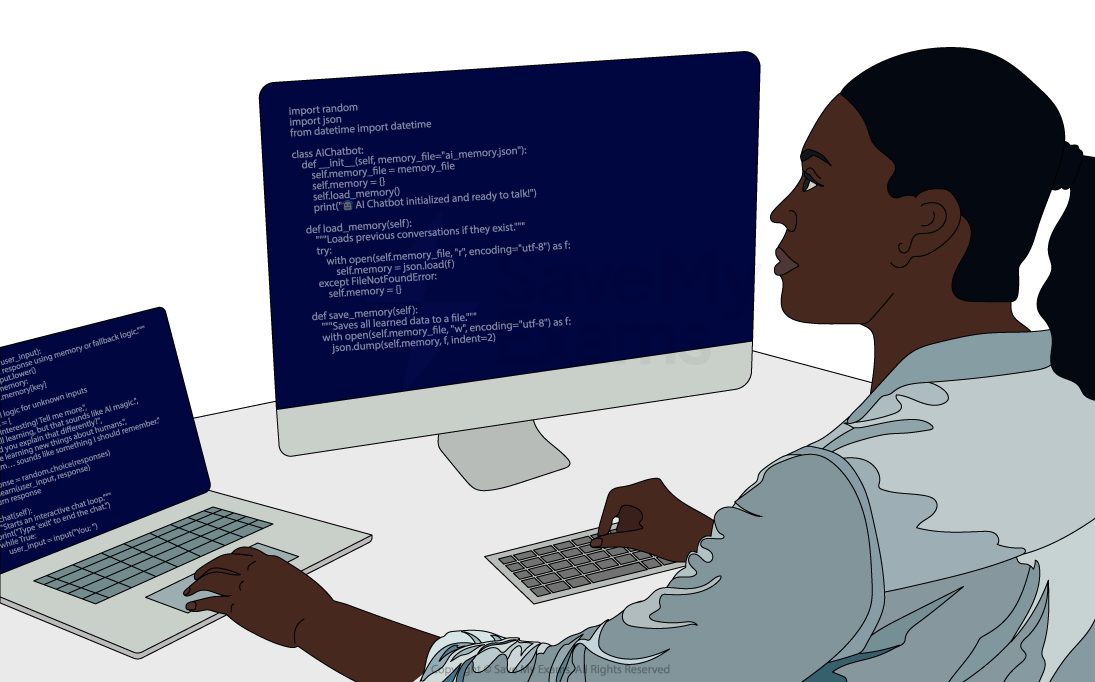
Scotland’s growing technology industry has created many new jobs in areas like software development, data analysis, and cybersecurity
However, with low unemployment in the sector, businesses face a shortage of skilled workers
Firms in Edinburgh’s tech hub, for example, have found it difficult to recruit enough software developers
This skills gap has forced some companies to increase wages and offer attractive benefits to compete for staff. Others have delayed projects or outsourced work overseas
Interest rates
Interest rates are set by the Bank of England and influence the cost of borrowing and the reward for saving
Rising interest rates
Loans and mortgages become more expensive
Consumers may spend less, and businesses may delay expansion projects because borrowing is costly
E.g. When interest rates rose in 2023–24, many small Scottish businesses saw higher costs on bank loans (they had to repay more), making it harder to fund expansion
Falling interest rates
Cheaper borrowing encourages consumers to buy big-ticket items, such as cars or houses
It may be more attractive for businesses to invest in growth
Examiner Tips and Tricks
In questions on economic factors, always link the change (e.g. recession, high unemployment, rising interest rates) directly to how it affects sales, costs, or business decisions

Unlock more, it's free!
Join the 100,000+ Students that ❤️ Save My Exams
the (exam) results speak for themselves:

Was this revision note helpful?