Social Factors (SQA National 5 Business Management): Revision Note
Exam code: X810 75

Social trends
Social factors refer to changes in society that affect what customers want and how businesses must respond
These social trends include demographics, tastes and trends and consumer lifestyles
1. Demographics
Demographics are statistics about the population, such as age, birth rates and levels of immigration
The UK, including Scotland, has an ageing population
Older people often have more disposable income, creating demand for leisure, travel, healthcare and specialist housing
E.g. Care providers in Scotland, such as Bield Housing & Care, have grown their services in response to an ageing population
Immigration can create new markets
E.g. Scotland’s food retailers and restaurants have expanded international ranges to reflect the country’s increasingly diverse population
2. Tastes and trends
Tastes and trends can change quickly, often influenced by fashion, celebrities or social media
Clothing and fashion businesses must constantly update styles to keep up with customer demand
Trends can also affect sectors like music, toys, food and interior design - what is popular one year may be outdated the next
Case Study
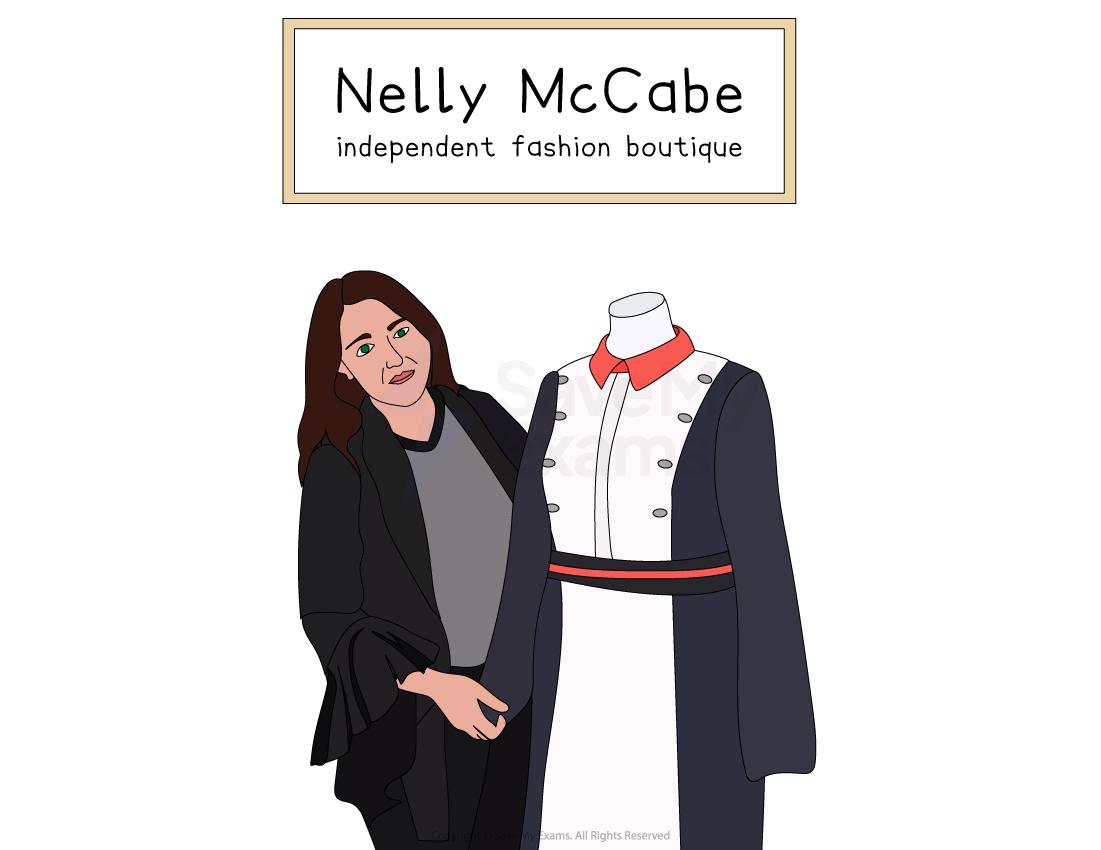
Nelly McCabe is a small fashion boutique based in Muirhead, near Edinburgh, competing with much larger retail chains
The owner noticed that many shoppers were looking for unique, stylish clothing and a more personal shopping experience than high-street stores could offer
In response, the boutique began closely following new fashion trends and offering a tailored service where customers could try on clothes in a relaxed, friendly setting
This approach built strong customer loyalty and helped Nelly McCabe stand out from bigger competitors, allowing the boutique to grow through repeat business and word-of-mouth recommendations
Social media influencers and TV exposure can boost the popularity of a product almost overnight
E.g. When TV show Dragon’s Den featured Scottish company Hungry Squirrel's flavoured nut butters, the brand received a surge of attention and online orders
3. Lifestyles
People’s lifestyles influence what they buy and how they spend their time
Many consumers are now more health-conscious
Businesses respond by selling healthier foods, putting nutritional information on packaging, and offering products like plant-based meals
Fitness trends have boosted sales of items such as smartwatches, gym memberships, and online workout subscriptions
In Scotland, PureGym has expanded into cities and towns to meet growing demand for affordable fitness options
Customers are increasingly aware of their environmental impact
Many now prefer products with recyclable packaging and locally sourced ingredients
E.g. Scottish brewery Innis & Gunn has invested in more sustainable brewing techniques and packaging to appeal to eco-conscious drinkers.
There is rising demand for vegetarian and vegan foods, driven by health, environmental and ethical reasons
Restaurants, cafés, and supermarkets have expanded their ranges to meet this trend
E.g. Hendersons, a well-known vegetarian and vegan restaurant in Edinburgh, has long catered to this lifestyle trend, while supermarkets across Scotland now stock more plant-based alternatives
Examiner Tips and Tricks
When writing about social factors, always link the change (e.g. ageing population, health-conscious lifestyles, or shifting fashion trends) to how businesses must adapt their products, marketing, or services to stay competitive.
Changing working practices
In recent years, the way people work has changed significantly
Businesses must adapt their policies and practices to meet new expectations and legal requirements
Examples of changing working practices
Practice | Explanation | Example |
|---|---|---|
Flexible working |
|
|
Working from home |
|
|
Family-friendly policies |
|
|

Unlock more, it's free!
Join the 100,000+ Students that ❤️ Save My Exams
the (exam) results speak for themselves:

Was this revision note helpful?