State & Government Legitimacy (DP IB Global Politics: SL): Revision Note

State legitimacy and government legitimacy
Legitimacy refers to an actor or an action being commonly considered acceptable
The big question when assessing legitimacy should be, legitimate to whom?
There is likely to be different opinions and perspectives on whether an actor is acceptable
Many states around the world are immediately recognised by people who may not have any understanding of its government system
This is because the state and the government in charge of that state are not the same thing
State legitimacy is more stable and permanent than government legitimacy
We think of states as almost permanent places with distinct borders and a long history
Governments come and go
It is a global norm that democracy is the most legitimate form of government because it allows citizens to demonstrate their acceptance or rejection of the government
The legitimacy of states is also more permanent than governments
For example, few actors would challenge the legitimacy of Afghanistan as a state, but there are many who challenge the legitimacy of the Taliban government currently in charge

Legitimacy and sovereignty
Legitimacy and sovereignty are connected but not interchangeable
Explaining legitimacy and sovereignty
State legitimacy | State sovereignty |
|---|---|
|
|
If a government lacks legitimacy within the state, this may lead to a break-down of sovereignty
For example, violent resistance groups could form
If a government lacks legitimacy amongst other states or IGOs due to abuses of citizens, they may be more likely to face interference
For example, in the form of humanitarian intervention
Case Study
The Syrian civil war
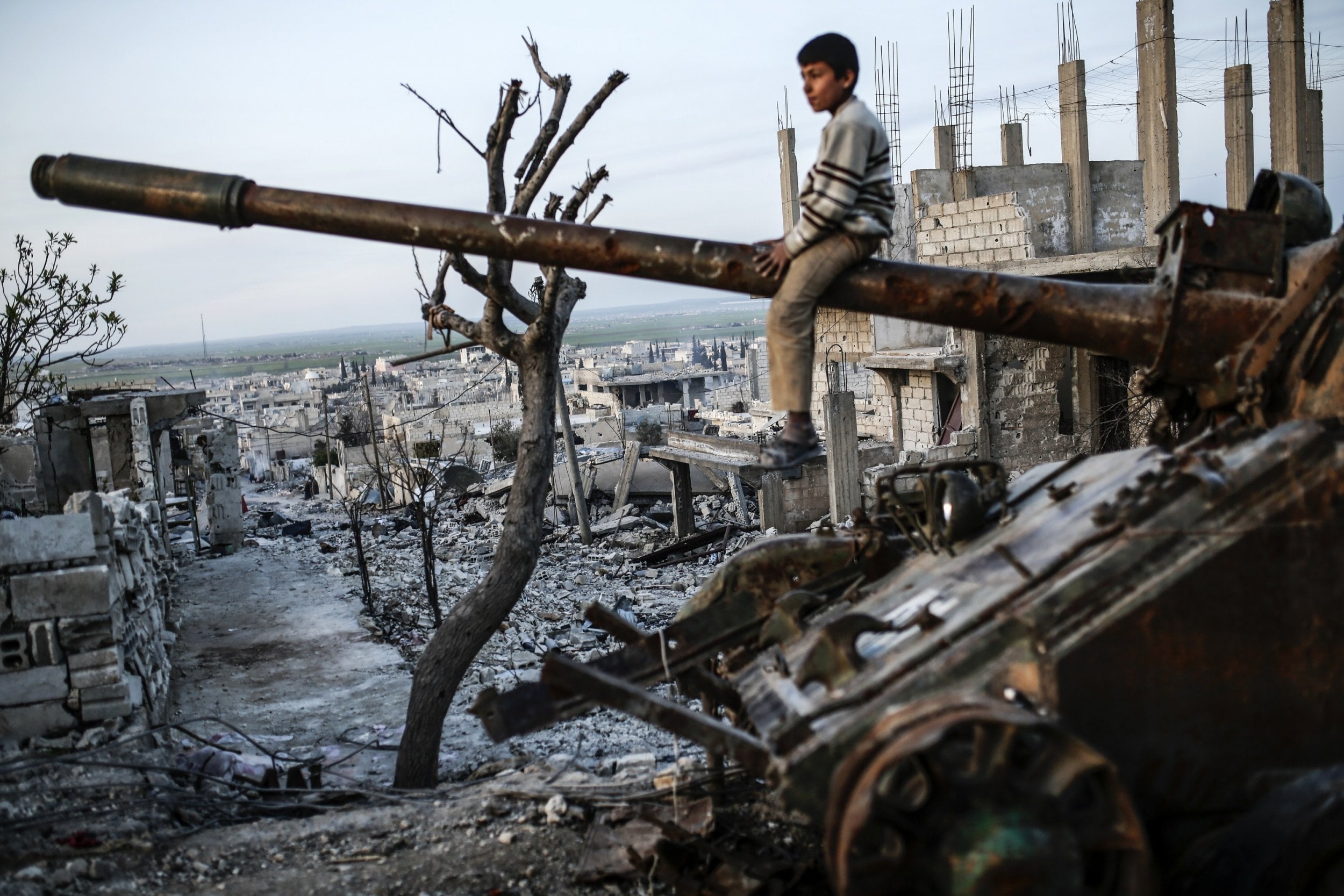
Background
The Syrian civil war, which began in 2011, shows the connection between legitimacy and sovereignty, and how a loss of legitimacy can weaken a state’s sovereignty
The conflict started when Syrian citizens protested against the government of President Bashar al-Assad, accusing it of corruption and human rights abuses
Loss of legitimacy
As protests grew, the government responded with violent repression, which caused many people to question the legitimacy of the government
Armed resistance groups formed, leading to a civil war that weakened the state’s ability to maintain law and order and control territory
International involvement
The conflict also affected Syria’s international legitimacy
Many states, NGOs and international organisations criticised the Syrian government for its treatment of civilians
As a result, several foreign states became involved in the conflict, supporting different sides

Unlock more, it's free!
Join the 100,000+ Students that ❤️ Save My Exams
the (exam) results speak for themselves:

Was this revision note helpful?
