Syllabus Edition

First teaching 2025

First exams 2027

Culture: Learning & Cognition (DP IB Psychology: HL): Exam Questions

30 mins4 questions
1
3 marks

Source 1

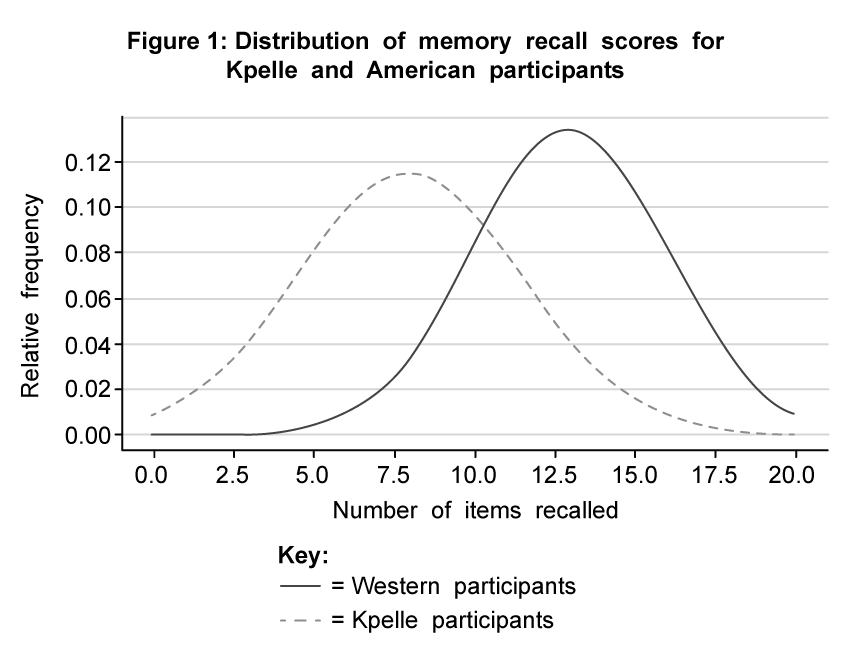
A study examined memory recall performance in two cultural groups using a word-list memory task. Participants from the Kpelle community in Liberia and participants from the USA were asked to recall items from a presented word list, and the number of items correctly recalled was recorded.

Graph showing memory recall scores: solid line for Western participants peaking at 10, dashed line for Kpelle participants peaking at 7.5.

Explain one issue that limits the interpretation of the data in source 1.

2
6 marks

Source 2

A study investigated whether System 2 thinking differs across cultural contexts. System 2 thinking refers to slow, deliberate, and effortful cognitive processing used when individuals consciously analyse information or solve complex problems.

A total of 120 participants took part in the study, with 60 adults from an individualistic culture (USA) and 60 adults from a collectivist culture (Japan). All participants completed a standardised Cognitive Reflection Test (CRT), which measures the tendency to override an immediate intuitive response (System 1) and engage in deliberate, analytical thinking (System 2). Scores on the CRT ranged from 0 to 6, with higher scores indicating greater use of System 2 thinking.

Table 1 shows mean CRT scores for participants from the two cultural groups.

Table 1: Cognitive Reflection Test (CRT) scores by cultural context

Culture context

Mean CRT score

Standard deviation

USA

3.1

1.4

Japan

4.2

1.3

Analyse the findings from source 2 and state a conclusion linked to the claim that culture influences analytical thinking and decision-making.
3
6 marks

Source 3

A researcher conducted a diary study followed by unstructured interviews with adults from individualistic and collectivist cultural backgrounds to explore how culture influences experiences of cognitive load in everyday multitasking situations.

Participants kept a 7-day diary recording situations they found mentally demanding (e.g. studying while messaging or commuting while planning). Follow-up unstructured interviews explored participants’ perceptions of cognitive load, emotional and physical responses to overload, coping strategies, and cultural expectations surrounding effort and responsibility.

The diary entries and interview transcripts were analysed using thematic analysis. The following themes were identified:

  • Participants from individualistic cultures described cognitive load in terms of personal efficiency and mental fatigue, often viewing overload as a signal to stop or restructure tasks

  • Participants from collectivist cultures described cognitive load as something to be endured and frequently framed high mental demand as a normal part of daily responsibilities

  • Collectivist participants emphasised social obligation and avoiding burdening others, which led them to tolerate higher cognitive load

  • Individualistic participants emphasised personal limits and self-care when experiencing overload

  • Under high cognitive load, individualistic participants reported frustration linked to loss of control or efficiency, whereas collectivist participants reported stress related to fear of making mistakes or letting others down

Discuss how the researcher could avoid bias in source 3.

4
15 marks

To what extent can we conclude that culture affects cognition? In your answer, use your own knowledge and at least three of sources 2–5 (opens in a new tab).