1
3 marks
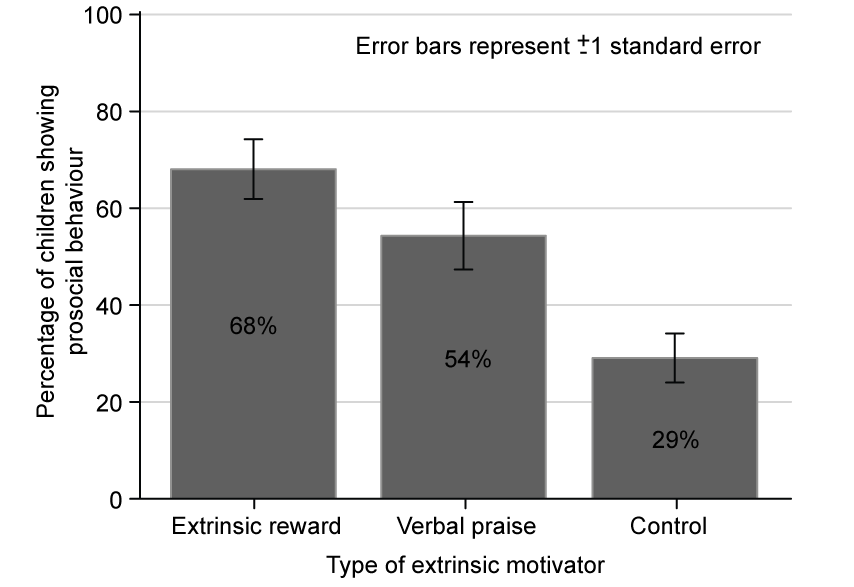
Figure 1 shows levels of prosocial behaviour displayed by children aged 6–8 years following different types of feedback from adults during cooperative classroom activities.
Children were placed into three conditions:
Extrinsic reward (e.g. stickers, points)
Verbal praise (e.g. positive comments)
No reward or praise (control)
Prosocial behaviour was measured as the percentage of children who shared materials or helped peers during tasks.
Figure 1: Prosocial behaviour by type of extrinsic motivator
Explain one issue that limits the interpretation of the data in source 1.
Was this exam question helpful?