1
9 marks
Analyse why an underperforming business with a role culture might choose to move towards a power culture.
Was this exam question helpful?
Exam code: 7132
Analyse why an underperforming business with a role culture might choose to move towards a power culture.
Was this exam question helpful?
Read the case study in the Insert (opens in a new tab).
To what extent might SSN Ltd benefit from changing its power culture to a role culture?
Was this exam question helpful?
Zani
Zani PLC is a jewellery retailer. Its products include rings, necklaces and bracelets that are made with precious metals and gemstones. Zani PLC has a strong brand reputation for unique designs. The company targets high-income earners. The price elasticity of demand for Zani PLC’s products is estimated to be –0.4.
Zani PLC was established in 2005 by Ted Zani. Ted had previously worked for a big multinational jewellery business but left because he wanted to be his own boss. He set up the business with venture capital. In its early years, with Ted in charge, the company had a power culture (according to Handy’s model). Shareholders felt a change of culture was necessary as the business got bigger and so Ted was replaced as Chief Executive in 2013.
Zani PLC set up 16 of its own stores in its first eight years. The company has continued to grow since then by selling 150 franchises around the world.
Explain one reason why Zani PLC’s shareholders wanted to change the power culture at the company.
Was this exam question helpful?
The culture of a business changes from an emphasis on decisions being made by the original owner, to a culture in which there are stated rules and each worker has defined responsibilities.
According to Handy, this is a change in culture from
person to role.
person to task.
power to role.
power to task.
Was this exam question helpful?
Read the information below and then answer the questions that follow.
Lego
The Lego Group is one of the largest manufacturers and retailers of play material in the world. It is a private limited company based in Denmark that is wholly owned by the Kristiansen family. The company’s product range includes Lego, Lego Duplo, Lego Star Wars and Lego Friends.
Lego has been investing heavily in recent years; this has reduced the funds available for dividends. It is building new facilities in China and Mexico as part of its strategy to locate production nearer its markets. The company also invests significantly in attempts to spot consumer trends through market research and in new product development. Each year, new product launches account for approximately 60% of the company’s sales.
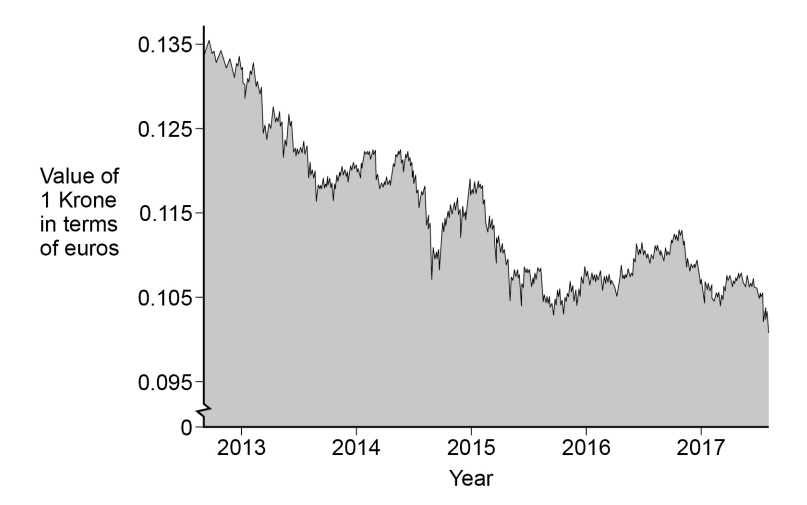
The company’s profits are calculated in the Danish currency, the Krone. Given that it is a global business selling in over 130 countries and buying resources from around the world, the company’s profits depend partly on exchange rates. A significant proportion of its sales are in Europe.
The company’s mission statement is to ‘Inspire and develop the builders of tomorrow’. Its culture is based on openness, trust and its core values of ‘Creativity, Imagination, Fun, Learning, Quality and Care’. Lego’s managers say that its continued success is made possible by the culture of the business and that it is important to take actions to help ensure employees share this culture.
Analyse the actions managers at Lego might take to help ensure that its employees box share the culture of the business.
Was this exam question helpful?
In a business each employee has a job with clear rules and procedures. Which of Handy’s cultures does this description most closely correspond to?
Person culture
Power culture
Role culture
Task culture
Was this exam question helpful?