The rise of the discount food retailers
For many years four companies have dominated food retailing sales in the UK: Asda, Morrisons, Sainsbury’s and Tesco. However, these ‘big four’ retailers have faced growing competition from discount retailers such as Aldi and Lidl.
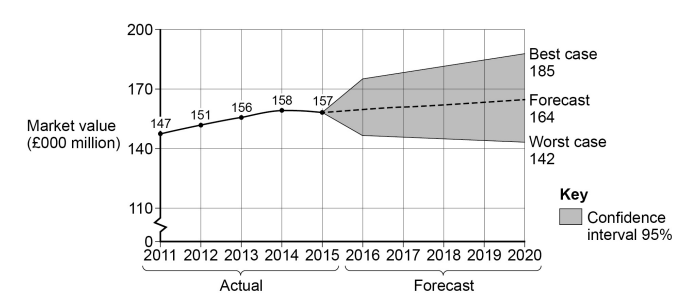
Figure 1: Total UK food retail sales
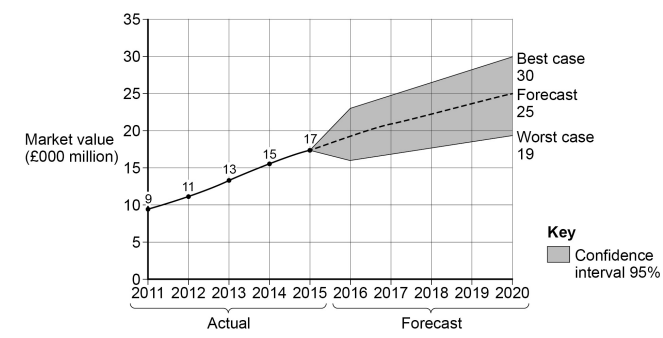
Figure 2: UK food retail sales of discount food retailers
Figure 3: A comparison of the ‘big four’ model with the discounter model
| The typical discounter model
eg Aldi, Lidl | ‘big four’ model
eg Tesco, Sainsbury’s |
Product range in stores | Relatively small
eg 800 items | Large
eg 50 000 items |
Brands | Large proportion of own label products traditionally targeting low to medium income earners | Large proportion of well-known brands traditionally targeting high to medium income earners |
Sales of food compared to non-food items (eg clothing and health and beauty products) | 80%:20% | 60%:40% |
Administration costs and overheads as percentage of turnover | 15% | 20% |
Typical profit margin | 3% | 2% |
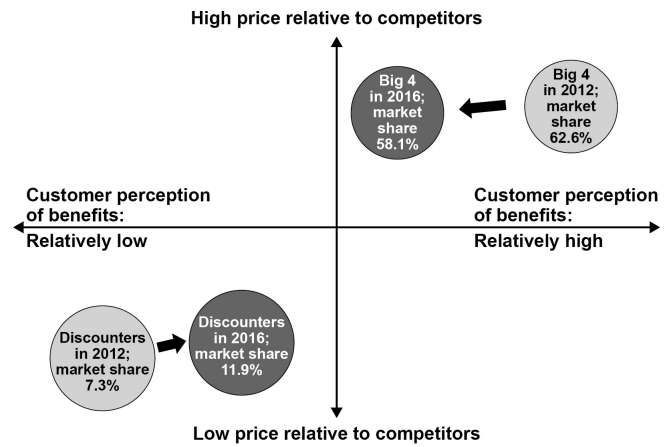
Figure 4: Market map of the UK food retail sector
Figure 5: Extract from consumer survey:
“What benefit is most important in determining where you shop?”
Benefit | % of replies |
I can rely on what I need being in stock | 16 |
It has a good range of non-food products | 17 |
It has well trained, helpful staff readily available | 18 |
The stores are well designed and maintained | 14 |
Figure 6: Company and Human Resource Data
| Aldi Stores Ltd (discount retailer) 2014 | Tesco (one of the ‘big four’) 2014 |
Turnover | £6 893 million | £ 54 443 million |
Profit for the year | £250 million | £162 million |
Average salary per employee | £21 272 | £14 452 |
Total employee costs | £507 million | £6 968 million |
Number of employees | 23 858 | 482 152 |