Reflection & Metacognition (DP IB Theory of Knowledge): Revision Note

Reflection & metacognition
Reflection is the habit of pausing to think about what you believe, why you believe it, and whether your reasons are strong enough
This should help you to spot weak reasoning or untested assumptions before you treat a belief as knowledge
Reflecting on knowledge can include:
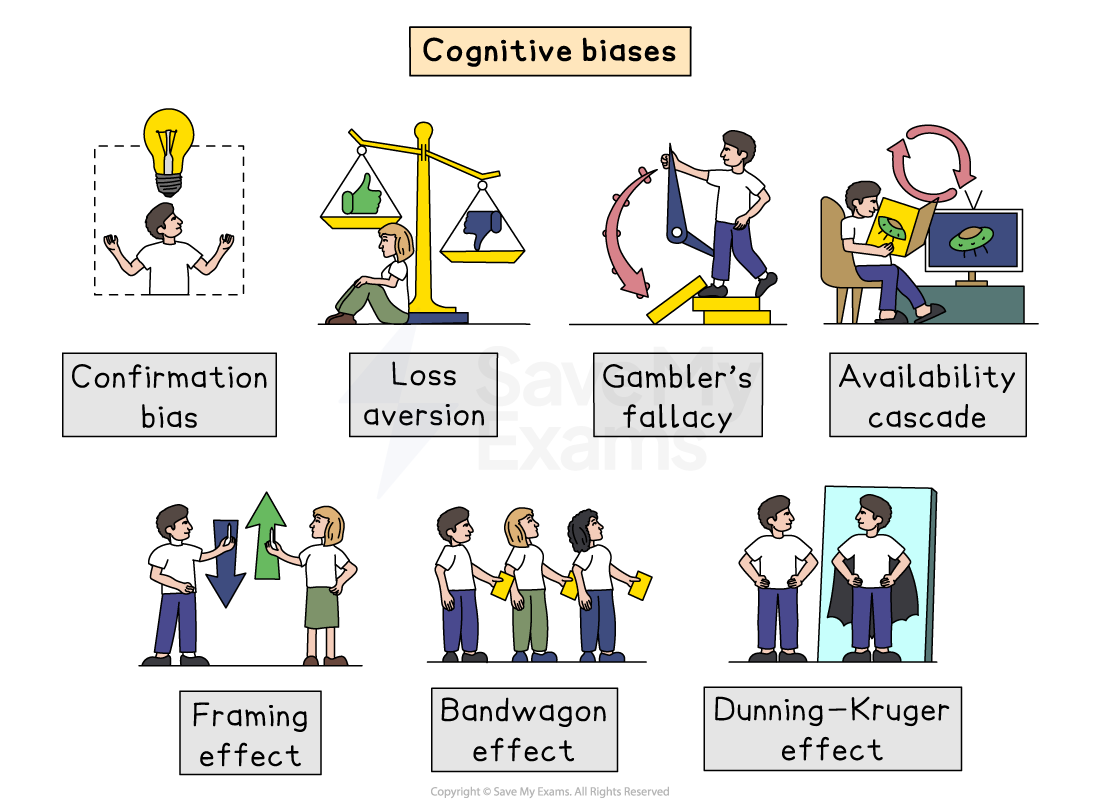
identifying biases
evaluating evidence
examining beliefs
Identifying biases
Bias is a systematic tendency to think in a certain way; this can distort judgment even when you are trying to be fair or rational
Common sources of bias include:
confirmation bias: noticing and trusting information that supports what you already think
availability bias: overestimating the importance of what is common because examples are easy to recall
authority bias: giving extra weight to claims because an expert or institution said them
in-group bias: trusting “people like us” more than outsiders
Identifying bias within your thinking does not mean your conclusion is automatically wrong, but it does mean you should check whether the claim still holds when you rely on evidence and reasoning
Evaluating evidence quality
Evidence quality is stronger when the source is credible, the reasoning is clear and the claim can be checked against other sources
Useful evidence quality checks include:
relevance: whether the evidence actually supports the specific claim being made
reliability: whether the method used would give similar results if repeated
corroboration: whether independent sources support the same conclusion
bias/conflicts of interest: whether incentives or selective reporting could have skewed findings
Comparing beliefs with alternatives
It can be a good idea to compare beliefs that you hold with alternative ideas
Ways to do this include:
asking what someone who disagrees would say, and why
looking for counterexamples that challenge your belief
checking how your belief changes across contexts, e.g. different cultures, disciplines or time periods
Comparing beliefs with alternatives allows you to check whether your belief is supported by evidence, rather than being based on hidden assumptions or preferences.
Metacognition: Knowledge about your own knowing
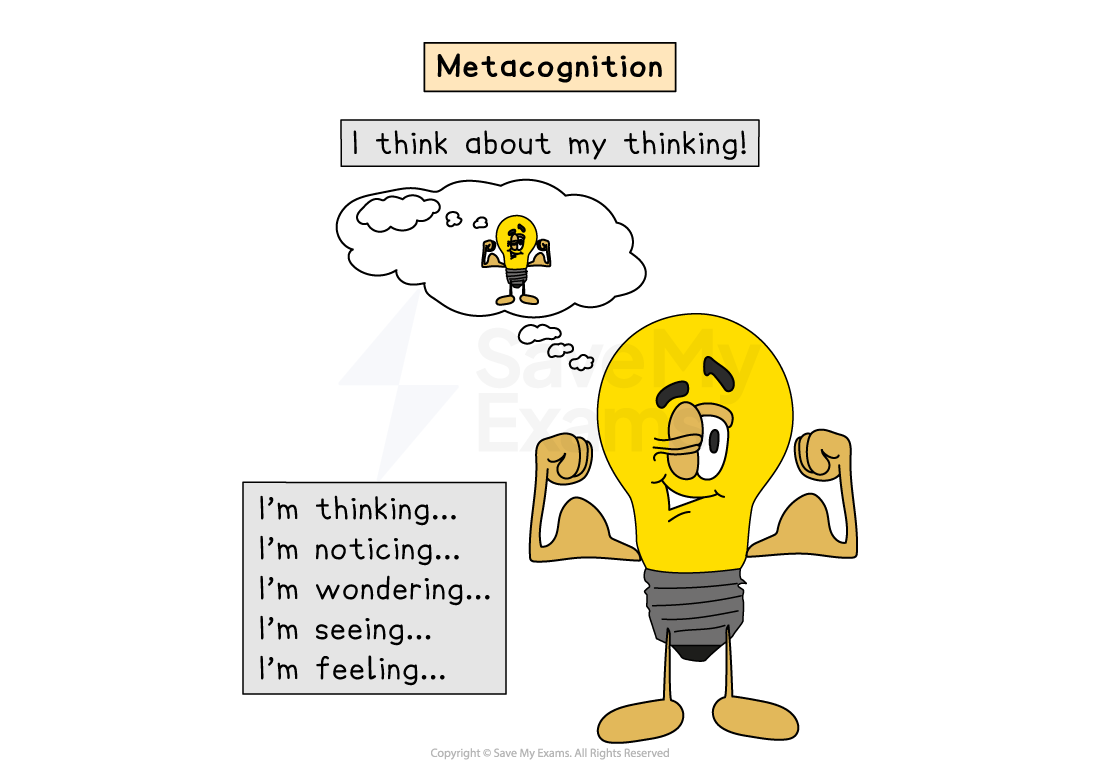
Knowing how we know something involves metacognition, i.e. “thinking about your thinking”
Metacognition involves:
awareness of your own thinking processes, e.g. noticing whether you are relying on memory, emotion, intuition or reasoning
monitoring your understanding and confidence, e.g. checking what you know and what you are unsure about
regulating your thinking, e.g. seeking more evidence or asking for feedback
reflecting on and learning from errors, e.g. updating your approach when you realise you were mistaken
Knowing how you know something helps you become a more responsible knower because you can check your claim, communicate uncertainty honestly and avoid passing on ideas that are not well supported
Examiner Tips and Tricks
In ToK, metacognition supports stronger arguments because you can explain not only your conclusion, but also how you arrived there and what might change your mind.

Unlock more, it's free!
Join the 100,000+ Students that ❤️ Save My Exams
the (exam) results speak for themselves:

Was this revision note helpful?