Perception (DP IB Theory of Knowledge): Revision Note

Perception
Human perception is based on sensory organs that can detect a limited range of stimuli; sensory organs include:
eyes
ears
mouth
nose
skin
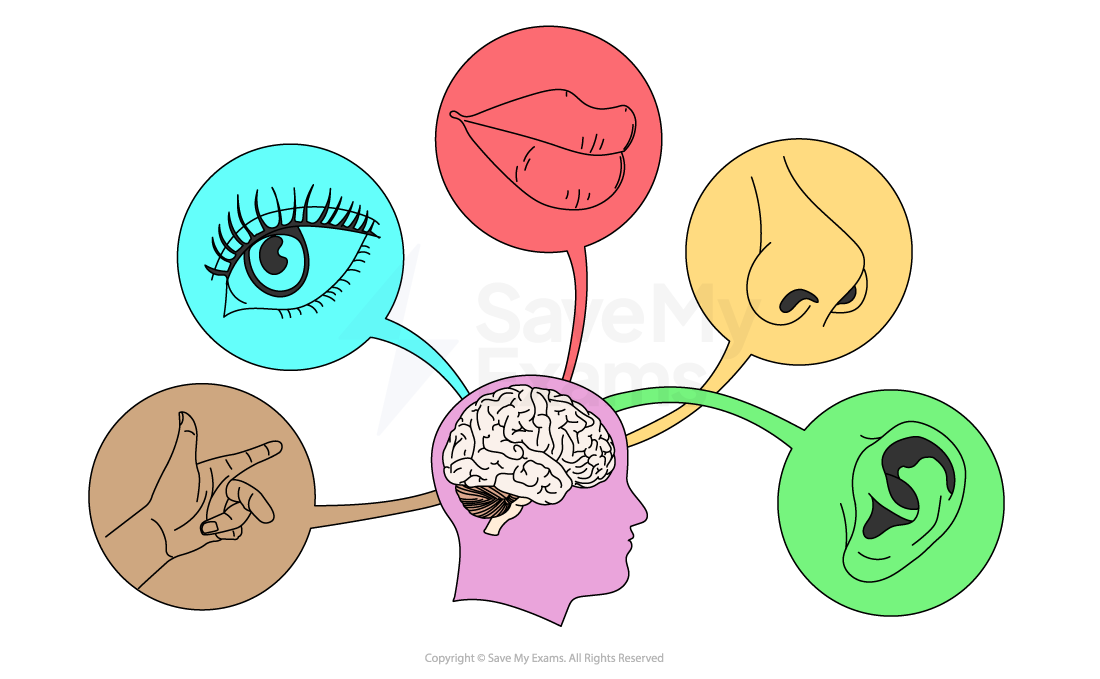
Perception is a process of interpretation: we observe stimuli, and then our brain interprets the information
The senses can miss information altogether, so knowledge claims based only on “what we see” may be incomplete or unreliable
Perception can be affected by factors that can reduce the reliability of observations, e.g.:
tiredness
illness
strong emotion
bias
Recognising sensory limits encourages knowers to ask what might be hidden or distorted in their experience
Selectivity & expectation
Perception can be influenced by individual selectivity and expectations
Selectivity means that attention focuses on some stimuli while ignoring others
Expectations and prior beliefs act as filters, increasing the likelihood that knowers will notice information that fits with what they already think
Expectations can create perceptual illusions, where knowers “see” patterns or meanings that are not really present
Being aware of selectivity and expectation helps knowers question their perception of evidence
Differences in interpretation
Different knowers can interpret the same sensory input in different ways due to, e.g.:
culture
language
personal history
Personal experiences and values shape what individuals consider to be relevant, credible or offensive in what they perceive
Group membership and shared perspectives can create common interpretations, but these may not be shared by outsiders
Recognising interpretive differences encourages knowers to compare perspectives and ask how subjective their own view might be
Tools extending perception
Technologies such as microscopes, telescopes and sensors extend human senses beyond their natural limits
These tools allow knowers to detect phenomena that are too small, distant or faint for unaided perception
Perceptual tools can increase the precision and quantity of data, but they also introduce new sources of error and bias
Knowers need to understand how such tools work in order to judge how far their outputs can be trusted

Unlock more, it's free!
Join the 100,000+ Students that ❤️ Save My Exams
the (exam) results speak for themselves:

Was this revision note helpful?