Deamination - GCSE Biology Definition
Reviewed by: Dr Natalie Lawrence
Last updated
Key Takeaways
Deamination is the removal of an amine group (–NH₂) from an amino acid, producing ammonia and a keto acid
It takes place mainly in the liver because the body can't store excess amino acids
Ammonia is toxic, so the liver converts it to urea through the ornithine cycle, and the kidneys excrete it in urine
Oxidative deamination and transamination are two different ways the body processes amino acids, each with a distinct role
What Is Deamination?
Your body breaks down proteins from food into amino acids. It uses some to build new proteins, repair tissues, and make enzymes. But here's the problem: unlike fats and carbohydrates, your body has no way to store leftover amino acids for later.
So what happens to the extras? They go through deamination. This is a chemical reaction where the amine group (–NH₂) is stripped from the amino acid. Two products result: ammonia (NH₃) and a keto acid. The keto acid can then enter other metabolic pathways to release energy or be converted into glucose or fat.
Deamination is one of the body's essential housekeeping processes. Without it, unused amino acids would accumulate with nowhere to go.
Deamination of Amino Acids
The general equation for deamination looks like this:
Amino acid → Keto acid + Ammonia (NH₃)
Each amino acid produces a different keto acid. When alanine is deaminated, for example, its amine group is removed to produce pyruvate (a keto acid) and ammonia. The pyruvate can feed into respiration pathways in the mitochondria, while the ammonia must be dealt with quickly because it's toxic to cells.
Where Does Deamination Occur?
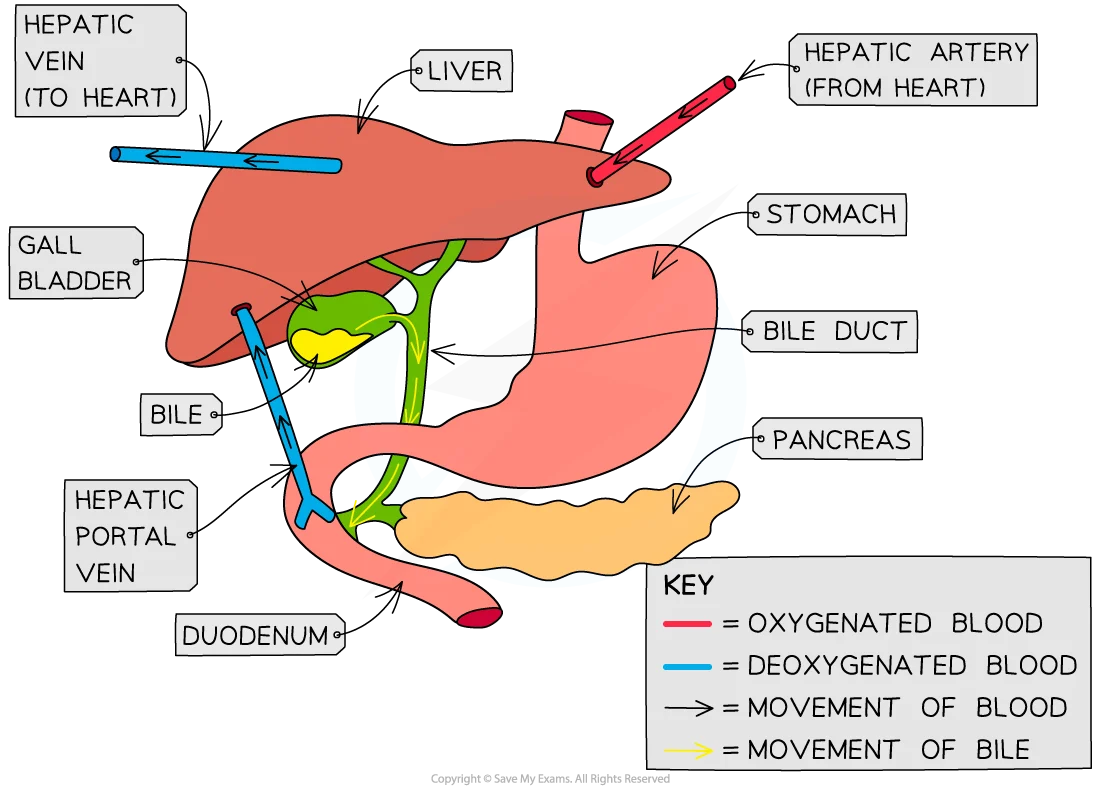
Deamination takes place primarily in the liver. This makes sense: the liver receives amino acids via the hepatic portal vein after they've been absorbed from the small intestine. Liver cells (hepatocytes) contain the enzymes needed to carry out deamination reactions.
The liver is also perfectly positioned to deal with the toxic ammonia that deamination produces, because the enzymes for the urea cycle sit in the same hepatocytes.
Deamination in the Liver and the Urea Cycle
Ammonia is highly toxic. Even small amounts can damage the nervous system. The liver solves this by feeding ammonia into the ornithine cycle (also called the urea cycle).
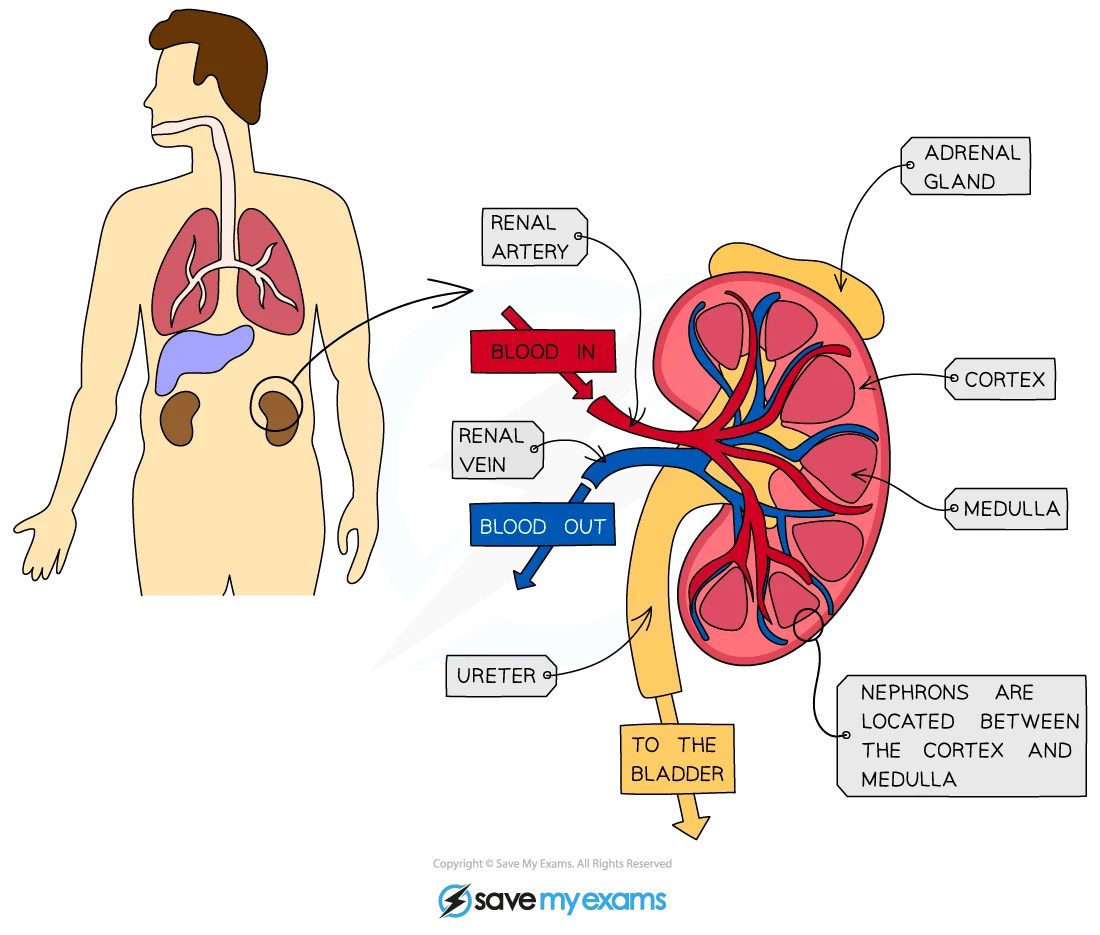
In this cycle, ammonia combines with carbon dioxide to form urea, a much less toxic molecule. Urea dissolves easily in water, travels through the bloodstream to the kidneys, and leaves the body in urine.
The full pathway runs like this:
Excess amino acids are deaminated in the liver
Ammonia (NH₃) is released
The ornithine cycle converts ammonia + CO₂ into urea
Urea travels in the blood to the kidneys
The kidneys filter urea out and excrete it in urine
The keto acids left behind don’t go to waste. They can enter the Krebs cycle for energy, be used to make glucose (gluconeogenesis), or be converted into fat for storage.
If you're revising how the liver and kidneys work together, Save My Exams has detailed revision notes covering this topic. Written by experienced teachers, the notes break down each step of the process with examiner tips and diagrams. Check out our AQA GCSE Maintaining Water & Nitrogen Balance in the Body notes, or find those for your particular specification, for a full walkthrough.
Transamination vs Deamination
These two processes both handle amino acids, but they serve different purposes.
Feature | Transamination | Deamination |
|---|---|---|
What happens | Amine group transferred to a keto acid | Amine group removed entirely |
Purpose | Makes new amino acids from existing ones | Removes excess amino acids the body can't store |
Product | A different amino acid + a different keto acid | Ammonia + a keto acid |
Where | Liver and other tissues | Mainly the liver |
“I tell my students to think of transamination as the body's balancing system. If you have too much of one amino acid but need more of another, it can be converted by transamination. In contrast, deamination is the disposal route. When there's no use for an amino acid, deamination strips the nitrogen for excretion and salvages the carbon skeleton for energy.”
– Natalie Lawrence, Biology Tutor.
Frequently Asked Questions
Why can't the body store excess amino acids?
Amino acids contain nitrogen in their amine groups, and the body has no dedicated storage system for nitrogen-containing compounds the way it stores fat in adipose tissue or glucose as glycogen. Excess amino acids would build up and become toxic, so the liver removes the nitrogen through deamination.
What happens if ammonia is not converted to urea?
Ammonia is toxic to cells, particularly neurons. If the liver can't convert it to urea (as happens in severe liver disease), ammonia accumulates in the blood. This condition can cause confusion, seizures, and in extreme cases, coma.
Can deamination cause genetic mutations?
Yes. Spontaneous deamination of cytosine in DNA produces uracil, which pairs with adenine instead of guanine during replication. If the cell's repair system doesn't catch this change, the result is a permanent C→T point mutation. This type of mutation is one of the most common in human genomes and contributes to cancer risk over time.
What is the role of the kidneys in deamination?
The kidneys don't carry out deamination themselves. Their role comes after: they filter urea (the non-toxic end product of ammonia processing) from the blood and excrete it in urine. Without functioning kidneys, urea would accumulate in the blood.
Examiner-written GCSE Biology revision resources that improve your grades 2x
- Written by expert teachers and examiners
- Aligned to exam specifications
- Everything you need to know, and nothing you don’t
Was this glossary entry helpful?

Share this article

 written revision resources that improve your