Key Takeaways
A functional adaptation is an internal process or function of an organism that helps it survive in its environment
Functional adaptations differ from structural adaptations (physical features) and behavioural adaptations (actions)
Examples include desert animals producing concentrated urine to conserve water and snakes producing venom to catch prey
Functional adaptations develop through natural selection
They're often invisible from the outside, making them harder to spot than structural adaptations
Functional Adaptation Definition
What is a functional adaptation? It's an internal body process or physiological mechanism that increases an organism's chances of survival in its environment. Think of it as something the body does rather than something it has or something the organism chooses to do.
This is the key distinction between the three types of adaptation in biology. A structural adaptation is a physical feature, like the thick fur of a polar bear. A behavioural adaptation is an action, like migrating to warmer areas in winter. A functional adaptation sits between them: it's an internal process that happens automatically inside the organism's body.
Producing venom, generating antifreeze proteins, or concentrating urine are all things that happen at a cellular or chemical level. You can't see them by looking at the organism, but they're just as vital for survival.
Functional Adaptation Examples
Examples in Animals
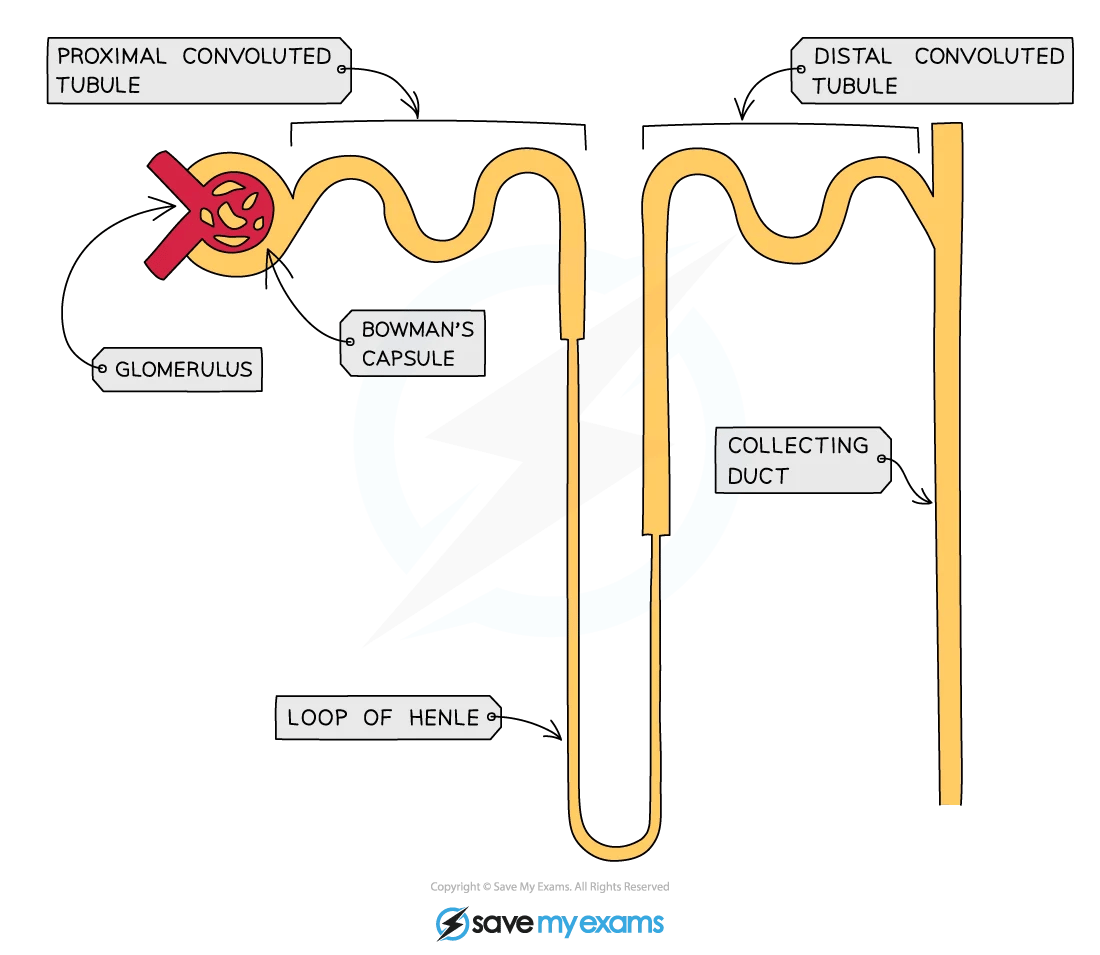
Desert mammals and water conservation Many desert animals have kidneys adapted to produce very concentrated urine. This means they lose far less water when they excrete waste. The kangaroo rat can survive its entire life without drinking water, getting all the moisture it needs from seeds.
Venom production Snakes like the king cobra produce venom through specialised glands. This is a functional adaptation because it involves an internal chemical process rather than a physical structure. The venom immobilises prey and begins digesting it before the snake even swallows.
Antifreeze proteins in Arctic fish Some fish living in sub-zero waters produce antifreeze glycoproteins in their blood. These proteins bind to tiny ice crystals and stop them growing, preventing the fish's body fluids from freezing into ice that would damage its cells.
Thermoregulation in mammals When you shiver on a cold day, that's a functional adaptation in action. Your muscles contract rapidly to generate heat. Sweating cools you down through evaporation. Both are internal processes your body runs automatically.
Examples in Plants
Photosynthesis in cacti Most plants open their stomata during the day to take in carbon dioxide. Cacti do the opposite: they open stomata at night when it's cooler, store the CO₂ as malic acid, then use it for photosynthesis during the day. This dramatically reduces water loss.
Chemical defences Many plants produce toxic or bitter-tasting chemicals to deter herbivores. Foxgloves produce digitalis. Stinging nettles inject histamine and formic acid. These chemical responses are functional adaptations that protect the plant without requiring any physical barrier.
Structural vs Functional Adaptation
Understanding the difference between the three types of adaptation is one of the trickiest parts of this topic. Here's a comparison:
Type | What it involves | Example |
|---|---|---|
Structural | A physical body feature | Thick blubber in seals for insulation |
Functional | An internal body process | Desert animals producing concentrated urine |
Behavioural | An action or behaviour | Nocturnal activity to avoid daytime heat |
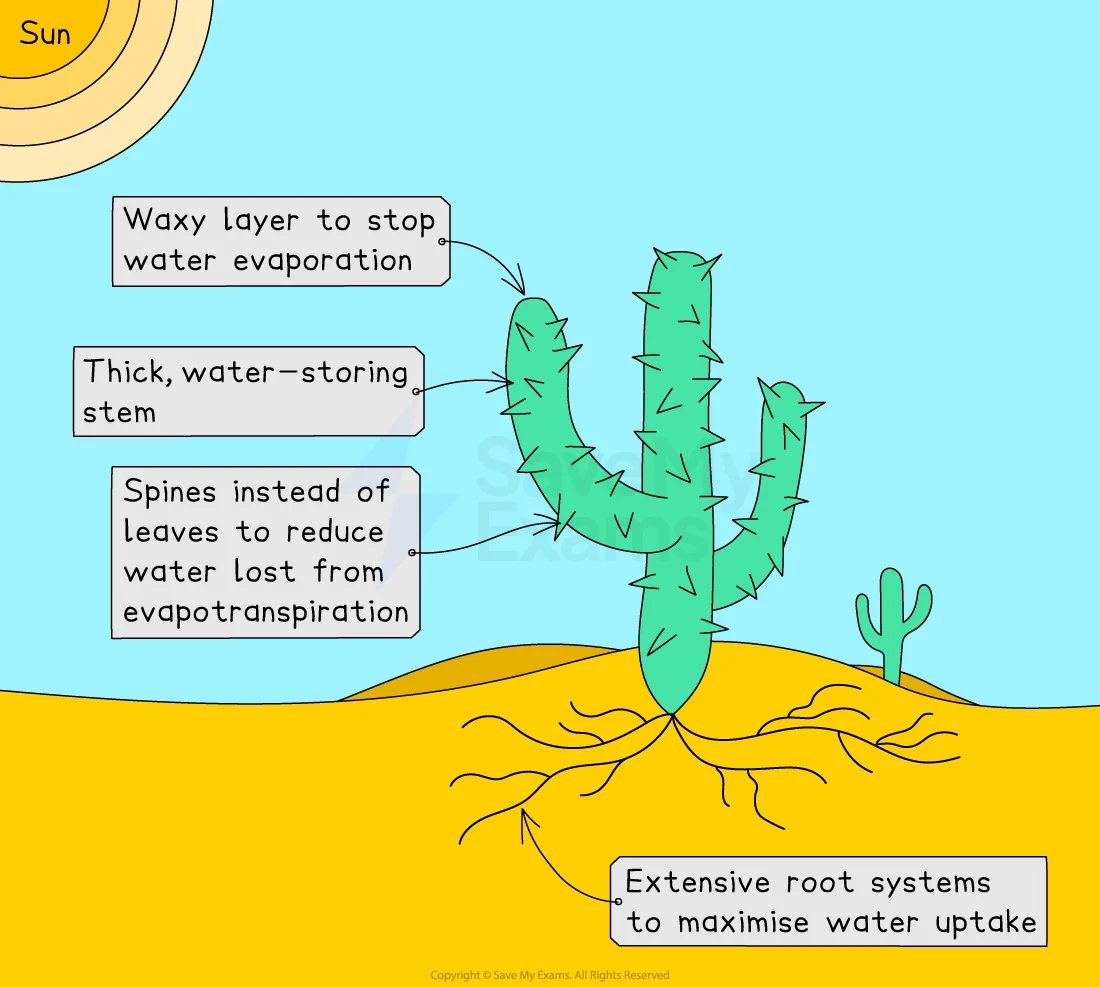
“I remind students that some adaptations blur the lines. A cactus storing water in its thick stem is structural (the stem shape), for example, but the process of storing water involves functional mechanisms too. In practice, many adaptations work together.”
– Natalie Lawrence, Biology Tutor.
How Functional Adaptations Develop
Functional adaptations develop over many generations through natural selection.
Within any population, individuals vary slightly in their internal processes. Some desert rodents might naturally produce slightly more concentrated urine than others. Those individuals lose less water, survive longer, and produce more offspring. Their offspring inherit the trait, and over thousands of generations, the whole population shifts towards more efficient water conservation.
This same process applies to every functional adaptation. The organisms with the most effective internal processes outcompete those without, and the trait spreads through the population.
If you're revising adaptations and want to explore how organisms are suited to their environments in more depth, Save My Exams has detailed revision notes covering all three types. Our AQA GCSE Adaptations notes, written by experienced biology teachers and examiners, break down structural, functional, and behavioural adaptations with clear diagrams and examiner tips. We have notes tailored to your specific course too.
Frequently Asked Questions
What is the difference between a structural and a functional adaptation?
A structural adaptation is a physical feature you can see, like the large ears of a desert fox or the thick fur of a polar bear. A functional adaptation is an invisible internal process, like producing concentrated urine or generating venom. Both help organisms survive, but they work in completely different ways.
Can an adaptation be both structural and functional?
Sometimes the lines blur. A cactus has structural adaptations (thick stem, spines instead of leaves) and functional ones (CAM photosynthesis, storing water internally). The physical features and internal processes often work together, but each specific adaptation is usually classified as one type.
Why do desert animals have concentrated urine?
Desert animals have kidneys adapted to reabsorb more water before urine is excreted. This produces very concentrated urine and minimises water loss, which is critical where water is scarce. It's one of the clearest examples of a functional adaptation.
How do functional adaptations help organisms survive in extreme environments?
Extreme environments create intense survival pressure. Functional adaptations let organisms cope with challenges that physical features alone can't solve. Arctic fish produce antifreeze proteins to prevent their blood from freezing. Deep-sea bacteria use chemosynthesis instead of photosynthesis. These internal processes keep organisms alive where most others couldn't survive.
Are hibernation and migration functional or behavioural adaptations?
Migration is a behavioural adaptation because it involves the animal choosing to move to a different location. Hibernation is trickier. It involves both behavioural elements (finding a sheltered spot) and functional processes (slowing the heart rate, lowering body temperature). The physiological changes during hibernation are functional, but the overall act of entering hibernation is classified as behavioural.
Examiner-written GCSE Biology revision resources that improve your grades 2x
- Written by expert teachers and examiners
- Aligned to exam specifications
- Everything you need to know, and nothing you don’t

Was this glossary entry helpful?


Share this article

 written revision resources that improve your