Key Takeaways
Embryo screening is a genetic testing process carried out on embryos created through IVF, before they're implanted into the womb
It detects specific genetic conditions like cystic fibrosis, sickle cell anaemia, and Huntington's disease by analysing DNA from a cell sample
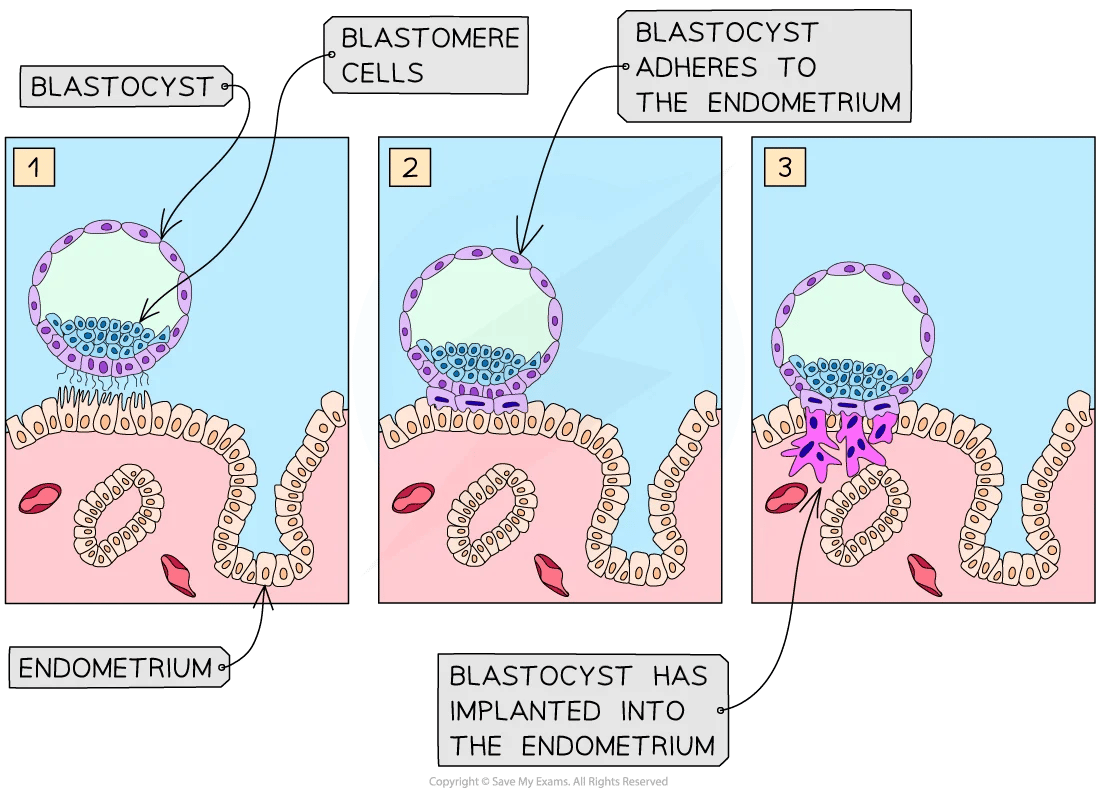
The process involves removing one or two cells from an early-stage embryo (at the blastocyst stage) and testing them for disease alleles
Embryo screening only identifies known genetic conditions that the parents are at risk of passing on
It differs from prenatal testing (like amniocentesis), which tests embryos already developing inside the womb
What Is Embryo Screening?
Embryo screening is a process used during in vitro fertilisation (IVF) to check whether an embryo carries alleles linked to a genetic disorder. It happens before the embryo is placed into the mother's uterus, giving parents information about the genetic health of their embryos.
The medical term for this process is preimplantation genetic diagnosis (PGD), sometimes called preimplantation genetic testing (PGT). Doctors use it when one or both parents are known carriers of a genetic condition, or when there's a family history of inherited disease.
Unlike testing that happens during pregnancy, embryo screening takes place in a laboratory. The embryo never enters the womb until after the results are known. This is a key distinction: parents receive genetic information before a pregnancy begins.
How Embryo Screening Works
The process follows a clear sequence of steps:
IVF fertilisation — Eggs are collected from the mother after hormone stimulation (using FSH and LH). They're fertilised with sperm in a laboratory. The term "in vitro" literally means "in glass."
Embryo development — Fertilised eggs develop into embryos over several days, reaching the blastocyst stage (a tiny ball of cells).
Cell biopsy — One or two cells are carefully removed from the embryo using specialist micro-tools. This doesn't damage the remaining embryo.
Genetic analysis — The DNA from these cells is analysed to check for specific faulty alleles or chromosomal abnormalities.
Embryo selection — Embryos without the identified genetic condition are selected for implantation into the mother's uterus.
Genetic Conditions Detected by Embryo Screening
Embryo screening can identify a range of genetic disorders. The conditions it detects fall into two main categories:
Category | How it works | Examples |
|---|---|---|
Single gene disorders | Caused by a faulty allele on one specific gene | Cystic fibrosis, sickle cell anaemia, Huntington's disease |
Chromosomal abnormalities | Caused by missing, extra, or rearranged chromosomes | Down's syndrome, Turner syndrome |
Cystic fibrosis is one of the most commonly screened conditions. It's caused by a recessive allele, meaning both parents must carry the faulty allele for a child to be affected. If both parents are carriers (heterozygous), there's a 1 in 4 (25%) chance their child will have the condition.
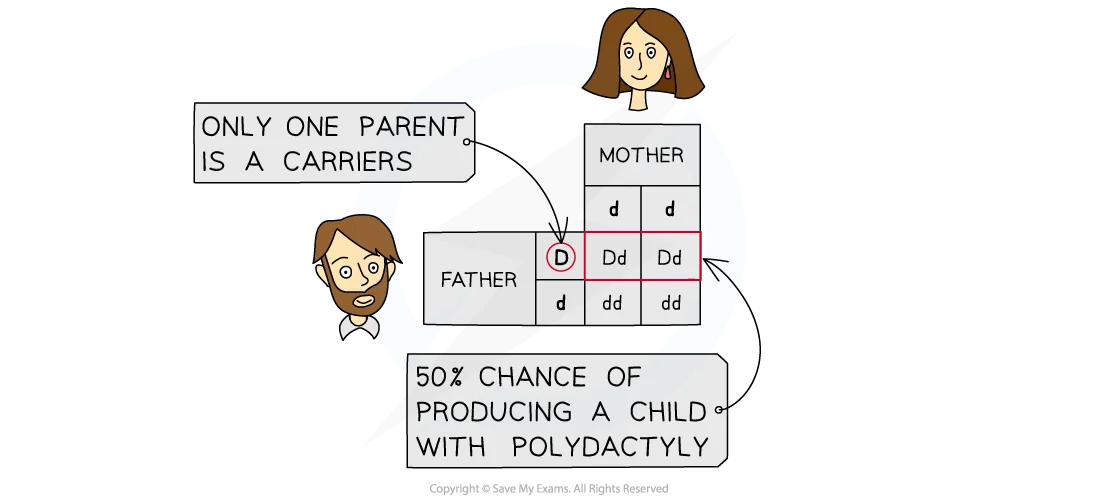
Huntington's disease works differently. It's caused by a dominant allele, so only one copy needs to be inherited for the condition to develop. A single carrier parent gives each child a 50% chance of inheriting it.
Embryo screening can only test for conditions the parents are known to be at risk of. It doesn't scan the entire genotype for every possible disorder.
Embryo Screening vs Other Genetic Testing Methods
Embryo screening isn't the only way to test for genetic conditions. Other methods are used at different stages:
Method | When it happens | How it works | Key difference |
|---|---|---|---|
Embryo screening (PGD) | Before pregnancy (during IVF) | Cells removed from embryo in lab | Testing happens before implantation |
Amniocentesis | 15–20 weeks of pregnancy | A needle extracts amniotic fluid containing foetal cells | Tests an embryo already in the womb; carries small risk of miscarriage |
Chorionic villus sampling (CVS) | 10–13 weeks of pregnancy | A small sample of placental tissue is taken | Earlier than amniocentesis but similar miscarriage risk |
The timing matters. With embryo screening, parents make decisions before pregnancy starts. With prenatal methods like amniocentesis and CVS, the embryo is already developing in the womb. If a genetic condition is found at that stage, parents face a different set of choices, including whether to continue the pregnancy.
“Students might forget to learn some of ethical and personal considerations raised by these screening methods as it doesn’t seem like core biology theory. But I always encourage them to memorise a few key points as questions do come up”
– Natalie Lawrence, Biology Tutor.
Save My Exams has detailed revision notes covering the role of IVF and genetic testing in reproduction. Our AQA GCSE Treating Infertility notes explain the full IVF process step by step, written by experienced biology examiners and aligned to your specification. We also have notes tailored to your specific course.
Frequently Asked Questions
Is embryo screening the same as genetic engineering?
No. Embryo screening only reads an embryo's DNA to check for existing genetic conditions. It doesn't change or modify any genes. Genetic engineering involves altering DNA by inserting, deleting, or replacing genes to change an organism's characteristics. Screening is observation; engineering is intervention.
Can embryo screening detect all genetic conditions?
No. It can only test for specific conditions that doctors know to look for, usually based on the parents' genetic history. It won't pick up conditions caused by new (spontaneous) mutations, and it can't screen for every possible genetic variation.
Is embryo screening legal in the UK?
Yes. The Human Fertilisation and Embryology Authority (HFEA) (opens in a new tab) regulates embryo screening in the UK. PGD is approved for serious genetic conditions, but using it to select for non-medical traits (like eye colour) is not permitted. Each condition must be individually approved by the HFEA before clinics can offer screening for it.
References
HFEA (opens in a new tab)
Examiner-written GCSE Biology revision resources that improve your grades 2x
- Written by expert teachers and examiners
- Aligned to exam specifications
- Everything you need to know, and nothing you don’t
Was this glossary entry helpful?

Share this article

 written revision resources that improve your