Key Takeaways
The lymphatic system is a network of vessels, organs, and tissues that drains excess fluid from your body's tissues and returns it to the bloodstream
It plays a central role in immunity by filtering pathogens through lymph nodes, where white blood cells mount immune responses
Key organs include lymph nodes, the spleen, thymus, tonsils, and bone marrow
Unlike the circulatory system, the lymphatic system has no pump and relies on muscle contractions and one-way valves to move fluid
Lacteals in the small intestine absorb dietary fats and transport them via the lymphatic system
What Is the Lymphatic System?
The lymphatic system is a network of vessels, nodes, and organs that works alongside your circulatory system. Its job is to collect excess tissue fluid, filter out harmful substances, and return clean fluid back to your blood. Without it, fluid would build up in your tissues and infections would spread unchecked.
The fluid inside lymphatic vessels is called lymph. It's a pale, straw-coloured liquid that looks similar to blood plasma but contains no red blood cells.
How Lymph Is Formed
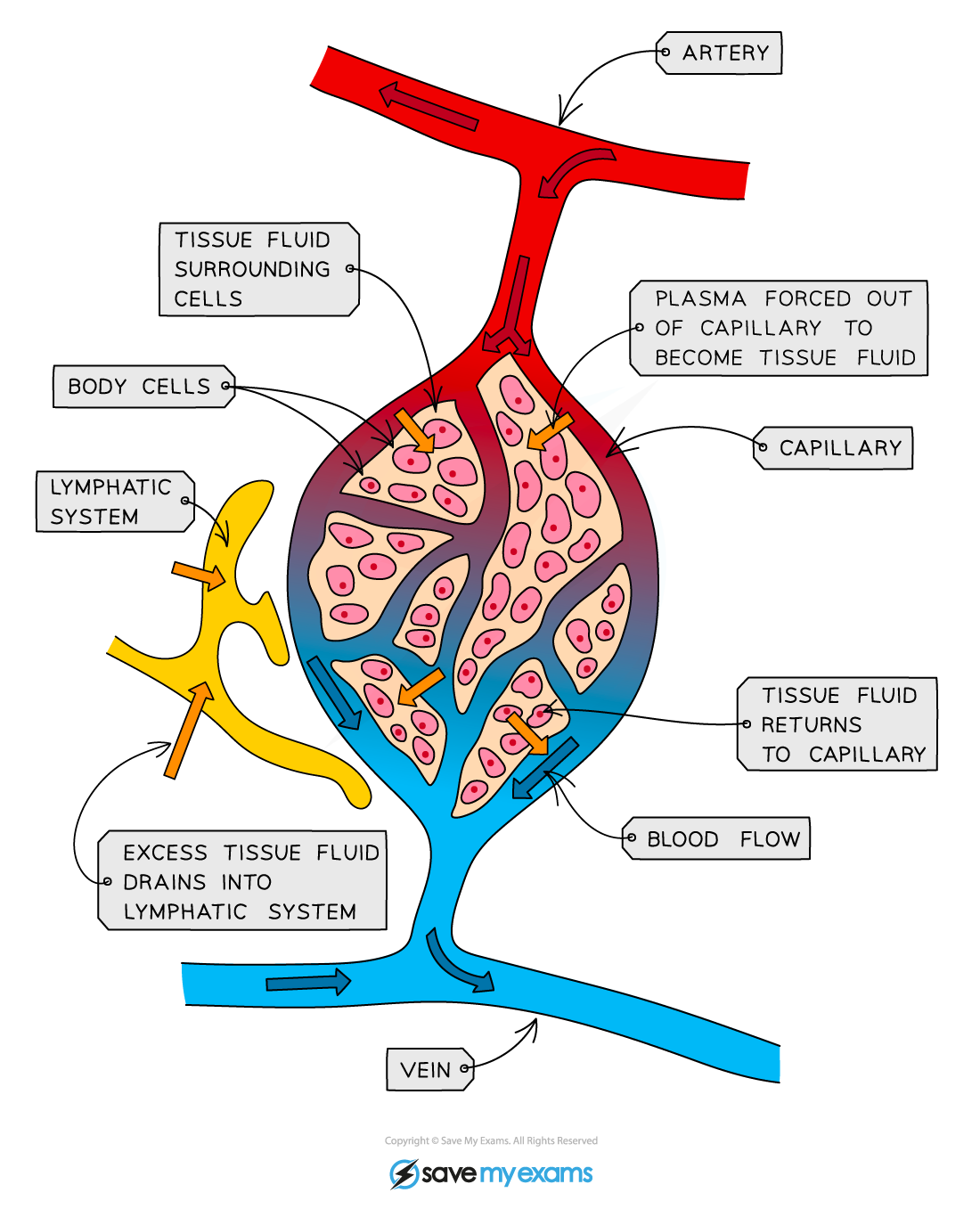
Blood plasma is forced out of capillaries at the arterial end due to high blood pressure. This fluid bathes your cells, delivering oxygen and nutrients while picking up waste products. Most of this tissue fluid returns to the blood capillaries at the venous end through osmosis. But around 10% doesn't make it back.
That leftover fluid drains into tiny, blind-ended lymphatic capillaries instead. Once inside these capillaries, the fluid is officially called lymph. It contains water, dissolved proteins, waste products, and white blood cells. From here, lymph travels through progressively larger lymphatic vessels which empty it back into the bloodstream near the heart.
Lymphatic System Organs and Structures
The lymphatic system is made up of several organs and structures, each with a specific role.
Structure | Function |
|---|---|
Lymph nodes | Small, bean-shaped structures that filter lymph and trap pathogens. Found in clusters around the neck, armpits, and groin |
Spleen | Filters blood, removes old red blood cells, and stores white blood cells. Located in the upper left abdomen |
Thymus | Where T-cells mature. Sits behind the breastbone and is most active during childhood |
Tonsils | Trap pathogens entering through the mouth and nose. Part of the body's first line of defence |
Bone marrow | Produces white blood cells, including the lymphocytes that populate the rest of the lymphatic system |
Lymphatic vessels | A network of thin-walled tubes that carry lymph from tissues and between the other system components |
How Does the Lymphatic System Work?
Here's something that catches people off guard: the lymphatic system has no heart. Unlike the double circulatory system, where the heart pumps blood through two loops, the lymphatic system has no central pump at all. Lymph moves in one direction only, pushed along by three mechanisms:
Skeletal muscle contraction — when you move, nearby muscles squeeze lymphatic vessels and push lymph forward
Breathing movements — pressure changes in the chest during inhalation and exhalation help draw lymph upward
One-way valves — these prevent lymph from flowing backwards, keeping it moving toward the ducts
This is partly why sitting still for long periods can cause swollen ankles. Your leg muscles aren't contracting, so lymph drainage slows down.
Lymphatic System Function in Immunity
Lymph nodes act as biological checkpoints. As lymph passes through them, specialised white blood cells called lymphocytes screen it for threats. Two main types of lymphocyte carry out this work:
B cells produce antibodies that bind to specific pathogens and mark them for destruction
T cells can directly kill infected cells or coordinate the wider immune response
When a pathogen enters a lymph node, it triggers a rapid immune response. Lymphocytes multiply quickly, which is why your lymph nodes swell when you're fighting an infection. That tender lump in your neck during a cold? That's your lymphatic system doing its job.
If you're studying how the immune system responds to pathogens in more detail, Save My Exams offers revision notes that break down how lymphocytes, phagocytes, and antibodies work together. These notes are written by experienced biology teachers and examiners to match your exact specification. Explore our revision notes, such as our OCR GCSE Human Immune System notes, to see how it all fits together.
Role in Fat Absorption
The lymphatic system doesn't just deal with immunity and fluid balance. It also plays a key role in digesting fats. Tiny lymphatic vessels called lacteals line the inside of your small intestine. When you eat fatty foods, the fats are broken down into fatty acids and glycerol, then reassembled into larger molecules called chylomicrons.
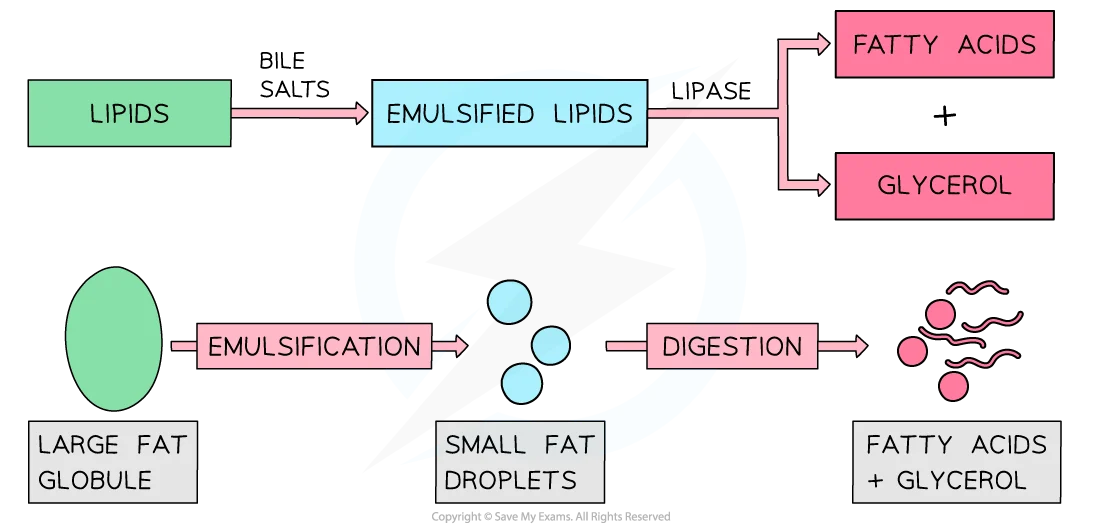
These chylomicrons are too large to enter blood capillaries directly. Instead, they pass into the lacteals and mix with lymph to form a milky fluid called chyle. Chyle travels through the lymphatic system and eventually enters the bloodstream via the thoracic duct. It's an efficient workaround for a transport problem that the circulatory system can't solve alone.
“To help students distinguish the roles of the circulatory and lymphatic systems, I use this analogy: the circulatory system is like the powered transport network above ground in a city, moving goods around, while the lymphatic system is more like the underground infrastructure, the drainage system with its filtering and processing points. Both incredibly necessary.”
– Natalie Lawrence, Biology Tutor.
Frequently Asked Questions
What is the difference between the lymphatic system and the circulatory system?
The circulatory system is a closed loop powered by the heart, carrying blood in arteries, veins, and capillaries. The lymphatic system is an open, one-way drainage network with no pump. Its vessels collect excess tissue fluid and return it to the blood, while also filtering pathogens through lymph nodes. Both systems run throughout the body, but they carry different fluids and serve different primary functions.
Can you live without a spleen?
Yes. The spleen filters blood and stores white blood cells, but other organs can take over these roles. Your liver and bone marrow compensate for most splenic functions after removal (splenectomy). You'll be more vulnerable to certain bacterial infections, though, so doctors typically recommend vaccinations and sometimes long-term antibiotics.
How do you know if your lymphatic system is blocked?
The most common sign is persistent swelling in one limb, particularly an arm or leg. This swelling (lymphoedema) feels firm rather than soft and doesn't improve with elevation alone. Other signs include a feeling of heaviness, tightness, or reduced movement in the affected area. If you notice unexplained swelling that lasts more than a few days, it's worth seeking medical advice.
Why do lymph nodes swell when you are ill?
Lymph nodes swell because they're producing extra lymphocytes to fight infection. When pathogens are detected, B-cells and T-cells multiply rapidly inside the nodes. This increased cell activity causes the node to enlarge. Swollen nodes are usually a sign your immune system is responding normally, not a cause for concern on their own.
What happens if the lymphatic system stops working?
Fluid would accumulate in your tissues, causing widespread swelling. Your immune system would also be severely weakened, since lymph nodes could no longer filter pathogens or activate lymphocytes effectively. Fat absorption from your diet would be impaired too. In reality, complete failure of the lymphatic system is rare, but localised problems like lymphoedema show what happens when even part of the system is compromised.
Examiner-written GCSE Biology revision resources that improve your grades 2x
- Written by expert teachers and examiners
- Aligned to exam specifications
- Everything you need to know, and nothing you don’t
Was this glossary entry helpful?

Share this article

 written revision resources that improve your