Effector - GCSE Biology Definition
Reviewed by: Dr Natalie Lawrence
Last updated
Key Takeaways
An effector is a part of the body that carries out a response to a stimulus
The two main types of effector are muscles and glands
Effectors receive signals from the nervous system (electrical impulses) or the endocrine system (hormones)
In the stimulus-response pathway, effectors produce the response
Muscles contract to produce movement, while glands secrete substances like hormones or sweat
What Is an Effector in Biology?
In biology, an effector is any part of the body that produces a response to a stimulus. When your body detects a change in the environment, it needs a way of acting on that information. That's the effector's job.
Effectors receive signals and enact a response. A muscle receiving a nerve impulse will contract. A gland receiving a signal will release a chemical. Without effectors, your body could detect danger but couldn't react to it.
Effector Function
Effectors work through two main signalling routes. The nervous system sends rapid electrical impulses along motor neurones directly to the effector. The endocrine system takes a slower approach, releasing hormones into the bloodstream that travel to target effectors.
The nervous route is fast. An electrical impulse can travel from your spinal cord to a muscle in milliseconds. Hormonal signals are slower but longer-lasting, which makes them better suited to controlling processes like blood glucose regulation or growth.
Types of Effector
There are two main types of effector in the body: muscles and glands. Each produces a different kind of response.
Type of Effector | What It Does | Example |
|---|---|---|
Muscle | Contracts to produce movement | Bicep pulling your hand away from a hot surface |
Gland | Secretes a substance (hormone, enzyme, or other chemical) | Pancreas releasing insulin to lower blood glucose |
Muscles as Effectors
Skeletal muscles are the effectors you're probably most familiar with. They're attached to bones and contract to produce voluntary movements like walking or writing. But they also play a starring role in involuntary reflex actions.
When you shiver on a cold morning, that's skeletal muscles acting as effectors too. Rapid, involuntary contractions generate heat to warm you up.
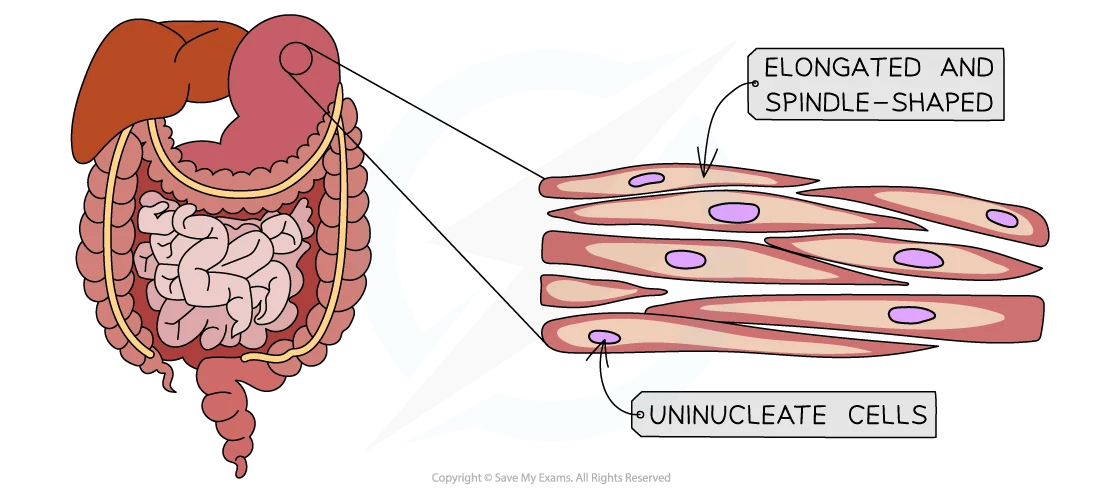
Smooth muscle works without you thinking about it. It lines the walls of your digestive system and blood vessels, contracting to push food along or adjust blood flow.
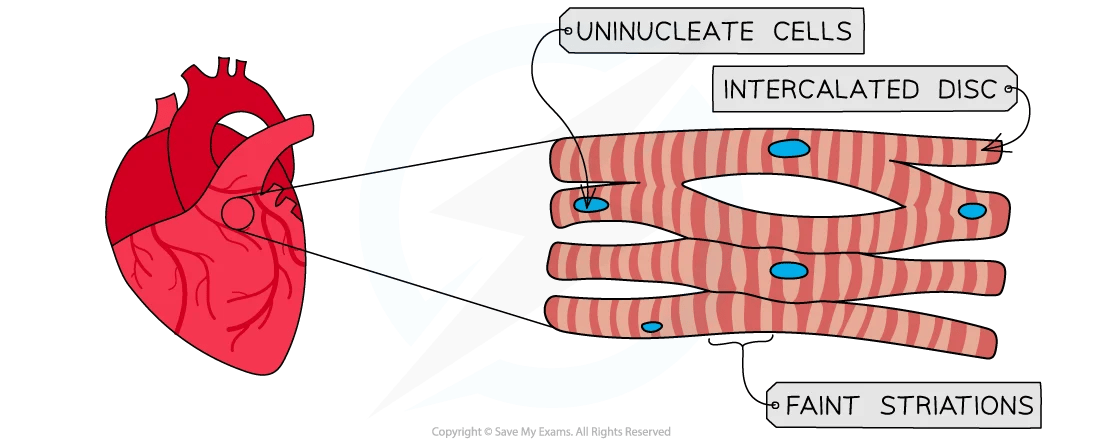
Cardiac muscle keeps your heart beating rhythmically, every minute of every day.
Glands as Effectors
Glands produce chemical responses rather than physical movement. The pancreas is a classic example. When blood glucose rises after a meal, the pancreas acts as an effector by secreting insulin.
Sweat glands respond when your body temperature gets too high. They secrete sweat onto the skin's surface, and as it evaporates, heat energy transfers away from the body. The adrenal glands release adrenaline during a "fight or flight" response, increasing heart rate and redirecting blood flow to your muscles.
Stimulus, Receptor, Coordinator, Effector, Response
Every response your body makes follows a set pathway. Here's the sequence:
stimulus → receptor → coordinator → effector → response
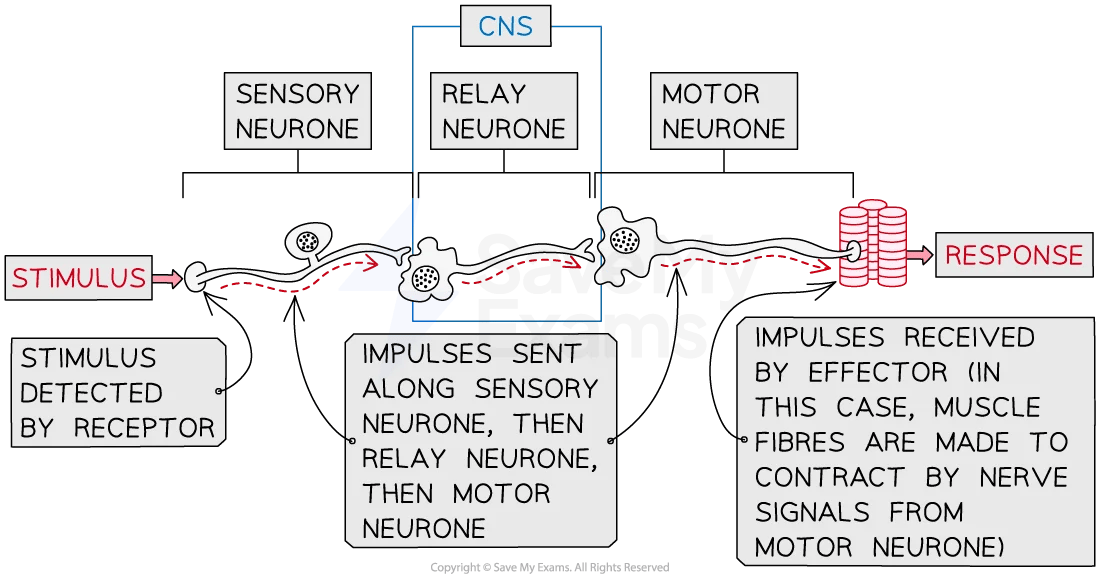
A stimulus is any change in the environment, internal or external. Receptors detect that change and generate electrical impulses. These impulses travel to a coordinator (the brain or spinal cord), which processes the information and sends signals to the appropriate effector. The effector then carries out the response.
Think of touching a hot pan. Temperature receptors in your skin detect the heat (stimulus). Electrical impulses race to your spinal cord (coordinator). The spinal cord sends impulses to muscles in your arm (effector). Your hand pulls away (response). All of this happens in a fraction of a second.
The Effector in a Reflex Arc
Reflex arcs are the fastest pathways in your nervous system. They bypass the conscious brain entirely, which is why you pull your hand away from something hot before you even feel the pain.
The pathway runs like this:
A receptor detects a stimulus
A sensory neurone carries impulses to the spinal cord
A relay neurone within the spinal cord activates a motor neurone
A motor neurone carries impulses to the effector
The effector (a muscle) contracts, producing the response
The effector in a reflex arc is usually a muscle because speed often matters. Many reflexes need the instant physical response that only muscle contraction can deliver.
If you want to dig deeper into how reflex pathways work, Save My Exams' AQA GCSE revision notes on The Reflex Arc walk through each step with clear diagrams, and you can find notes tailored to your specific course, too. Written by experienced examiners, they cover the full pathway from stimulus to response.
Effector Examples in Everyday Life
Effectors are at work constantly, whether you notice them or not.
Pupil constriction in bright light. Circular muscles in your iris (the effector) contract to make the pupil smaller. This protects the retina from damage. It's a reflex, so it happens automatically.
Shivering when cold. Skeletal muscles contract rapidly and involuntarily, generating heat. The thermoregulatory centre in your brain detects the drop in blood temperature and triggers this response through the nervous system.
Insulin release after eating. The pancreas detects rising blood glucose and secretes insulin. Here the pancreas acts as both the detector and the effector, which is an exception to the usual pathway where receptors and effectors are separate structures.
Adrenaline during a scare. Your adrenal glands release adrenaline, which increases heart rate, diverts blood to muscles, and widens the airways. Multiple effectors respond simultaneously to prepare your body for action.
For a complete breakdown of the nervous system pathway and how effectors fit into homeostasis, the Save My Exams AQA GCSE Nervous System Structure & Function revision notes cover the full picture, from receptors through to effectors, with exam-focused explanations. We also have notes tailored to your specific course.
Frequently Asked Questions
What is the difference between a receptor and an effector?
A receptor detects a stimulus (a change in the environment), while an effector carries out the response. Receptors are the input side of the pathway and effectors are the output side. For example, temperature receptors in your skin detect heat, and muscle effectors pull your hand away.
What is an effector in the nervous system?
In the nervous system, an effector is a muscle or gland that receives electrical impulses from motor neurones and produces a response. Muscles contract to create movement, and glands secrete chemicals. The effector sits at the end of the nerve pathway, after the coordinator has processed the sensory information.
Can an organ be both a receptor and an effector?
Yes, some organs perform both roles. Cells in the pancreas monitor blood glucose levels (acting as receptor/coordinators) and also secrete insulin or glucagon (acting as effectors). This dual role is unusual but not unique.
What happens if an effector stops working?
If an effector fails, the body can't complete its response to a stimulus. A damaged muscle won't contract, which could mean losing movement in that area. A malfunctioning gland might not produce enough of a hormone, leading to conditions like diabetes if the pancreas can't secrete sufficient insulin.
Is the heart an effector?
Yes. The heart contains cardiac muscle, which acts as an effector when it changes its rate of contraction. During exercise or stress, signals from the nervous system and hormones like adrenaline cause the heart to beat faster, increasing blood flow to working muscles.
Examiner-written GCSE Biology revision resources that improve your grades 2x
- Written by expert teachers and examiners
- Aligned to exam specifications
- Everything you need to know, and nothing you don’t
Was this glossary entry helpful?


Share this article
 written revision resources that improve your