Part 1: Questions & Strategies (IELTS Academic: Speaking): Study Material
Part 1: questions & strategies
Examples of questions
In IELTS Speaking Part 1, you may hear questions like:
Do you work or are you a student?
What do you like about your hometown?
Do you enjoy reading? Why or why not?
What do you usually do at weekends?
What kind of weather do you like most?
Do you spend a lot of time with your family?
What kind of food do you enjoy eating most?
Do you often listen to music?
How often do you see your friends?
Do you have any hobbies?
Do you do any sports?
What kind of TV programmes do you like watching?
Do you often watch films?
Do you like travelling to new places?
What do you usually do during holidays?
How often do you use technology in your daily life?
What is your daily routine like?
What makes a good answer
In Part 1, a full answer is often about two or three sentences
A good Part 1 answer is usually:
clear
direct
natural
short but complete
A useful way to answer Part 1 questions is to:
answer the question
add a reason, explanation, or example
stop
Good answers in Part 1 should:
sound natural, like a real conversation
show fluency
use accurate English
not be too long
Common mistakes to avoid when answering Part 1 questions:
Giving only one-word answers
Speaking for too long until the examiner has to interrupt
Trying to use very complex vocabulary or difficult grammar to impress the examiner
Examiner Tips and Tricks
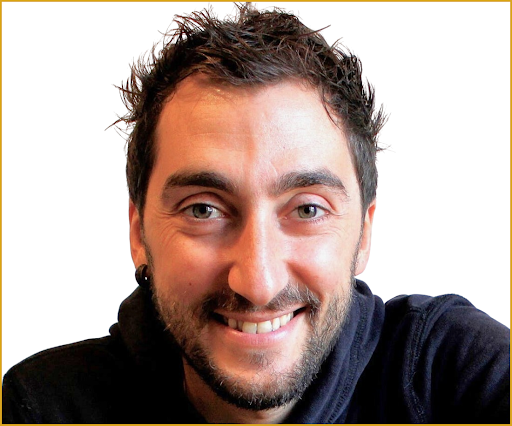
After you answer the question and give a reason or example, stop confidently and give a natural smile. A small, natural smile can show that you have finished your answer and you are ready for the next question.
Useful language
In the IELTS Speaking test, try to use a wide range of vocabulary and expressions in your answers. This helps you get a higher score in “lexical resource” and achieve a higher score. Below are some useful words and phrases you can use.
Giving a direct answer
Yes, definitely
Example: Yes, definitely. I spend a lot of time reading in the evening.
Not really
Example: Not really. I do not watch much television these days.
I’d say yes
Example: I’d say yes. I really enjoy living in a small town.
I don’t think so
Example: I don’t think so. I prefer studying in the morning.
It depends
Example: It depends. I like hot weather, but only if it is not too humid.
Giving a reason
Because…
Example: I enjoy swimming because it helps me relax.
mainly because…
Example: I like my neighbourhood mainly because it is quiet and safe.
That’s because...
Example: I prefer tea to coffee. That’s because tea feels lighter.
The main reason is that…
Example: I enjoy travelling by train. The main reason is that it is more comfortable.
Adding an example or extra detail
For example…
Example: I like outdoor activities a lot. For example, I often go hiking at weekends.
For instance…
Example: I’ve been doing lots of things with my friends recently. For instance, yesterday we went to the cinema to watch an action movie.
Especially…
Example: I like fruit, especially strawberries and peaches.
In particular…
Example: I enjoy reading, in particular short biographies. They’re my favourite!
Talking about frequency
Usually/often/rarely/always/never
Example: I usually go to bed quite early during the week.
most of the time…
Example: Most of the time, I travel to work by car.
From time to time…
Example: From time to time, I meet my friends for dinner.
Every now and then…
Example: Every now and then, I go to the cinema on my own.
Talking about personal preference
I prefer…
Example: I prefer studying at home because it is quieter.
I’m quite keen on…
Example: I’m quite keen on photography, especially street photography.
I’m not a big fan of…
Example: I’m not a big fan of crowded places.
My favourite ... is…
Example: My favourite season is autumn because the weather is mild.
Worked Example
Do you enjoy cooking?
Answer
Yes, I do, actually. I cook quite often at home because it helps me save money, and I also find it relaxing after a long day. When I can, I try to use fresh ingredients from the farmers’ market.
This answer is effective because it is:
short
natural
easy to follow
supported with a reason
Sign up now for IELTS Academic
or
Was this study material helpful?