Industry Insights & Trends: The Concrete Industry (DP IB Business Management: HL): Revision Note

Market size and growth
Concrete is the most widely used construction material in the world.
It is used for houses, schools, hospitals, roads, bridges and airports
Almost every country relies on concrete for development
Around 4 billion tonnes of cement are produced globally each year
Cement is the main ingredient in concrete, alongside water, limestone and clay aggregates
Production is not evenly spread across countries
China produces about half of the world’s cement due to rapid urbanisation.
India is a fast-growing market because of population growth and new infrastructure
The USA and Europe have slower growth because most infrastructure already exists
Overall growth is strongest in emerging economies
These countries still need large investments in housing and transport systems
Leading companies and brands
The industry is dominated by large multinational companies
These firms operate in many countries
They often own cement plants, concrete factories and quarries
Examples of global concrete and cement companies

These companies supply materials for major projects
Examples include highways, airports and large commercial buildings
Holcim, for example, supplies infrastructure projects across Europe and Asia
Many countries also have strong national or regional producers
India: UltraTech Cement
USA: Vulcan Materials
Competition is often local or regional
Concrete is heavy and expensive to transport long distances
Even global firms compete mainly within regional markets
Product types and consumption trends
Concrete is produced in several different forms
Ready-mix concrete | Precast concrete | Specialised concrete |
|---|---|---|
|
|
|
Government rules and customer expectations are changing consumption
Public construction projects increasingly require sustainable materials
Market dynamics and challenges
The industry faces major environmental challenges
Cement production produces large amounts of CO₂, which contributes to climate change
Governments are increasing environmental regulation
This is especially strong in Europe
Producers are under pressure to reduce emissions
Costs are another major challenge
Concrete production uses large amounts of energy
Rising fuel and electricity prices increase production costs
Transport costs are high because concrete is heavy
Demand for concrete is cyclical
It depends on construction activity
During economic downturns, demand falls
Recessions often lead to lower sales and profits for producers
Emerging markets and regional differences
Concrete demand is growing fastest in emerging markets
Especially in Asia and parts of Africa
Growth is driven by population increases and urbanisation
Governments in these regions invest heavily in infrastructure
Roads, railways, housing and energy projects increase demand
E.g. Large transport projects in India and Southeast Asia
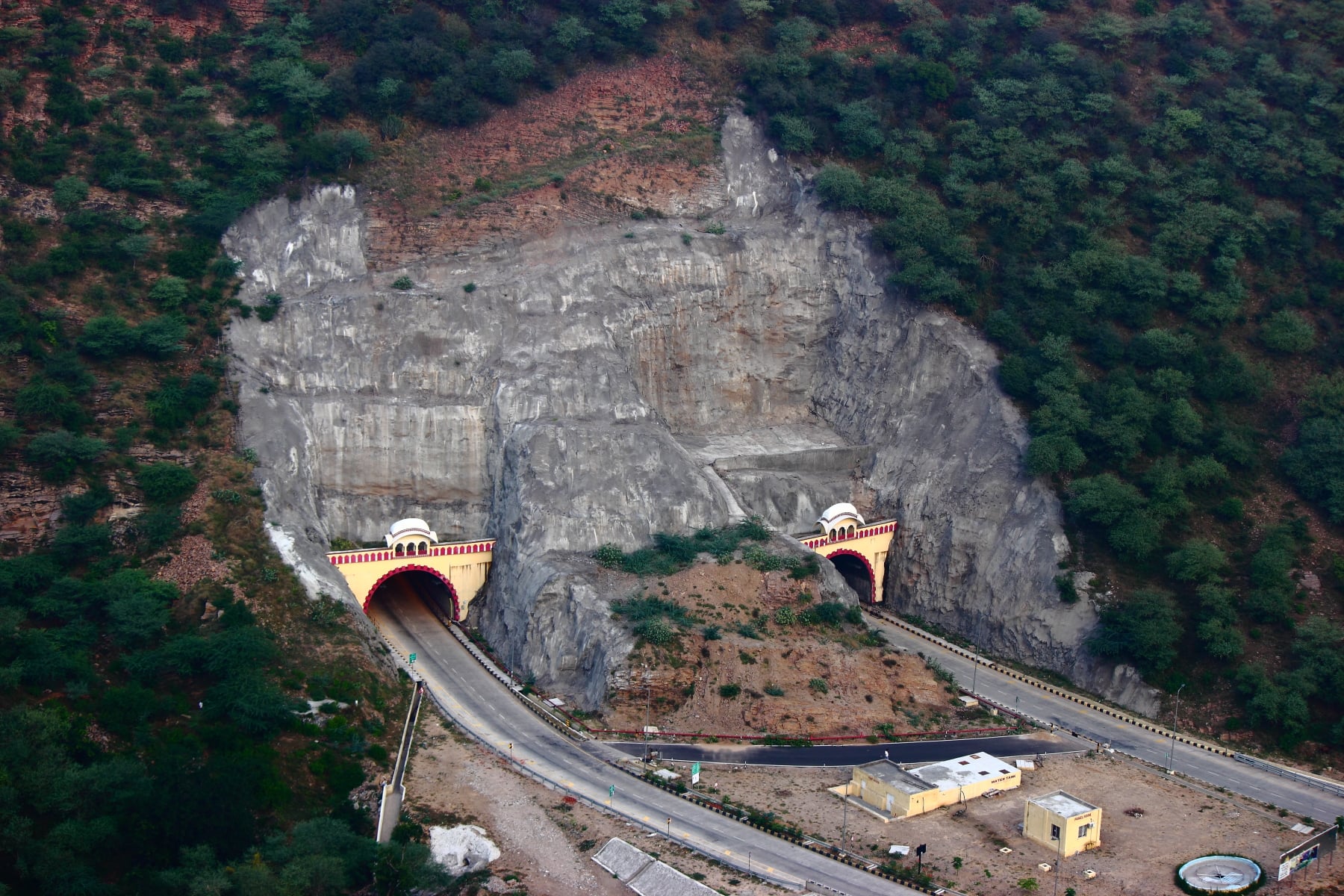
In developed economies, demand is more stable
Examples include Western Europe and North America where most infrastructure already exists
The focus in developed markets is changing
Less emphasis on new construction
More focus on renovation, replacement and sustainability
Greater use of low-carbon and recycled materials
Recycled products in concrete production
Concrete production uses large amounts of raw materials, including sand, gravel and stone
Construction also creates large amounts of waste
Old buildings and roads are often demolished, producing construction and demolition waste
Old concrete can be crushed and reused as recycled aggregate
Recycled aggregate can replace natural stone in new concrete
E.g. Crushed concrete from an old road can be used in a new road
Using recycled aggregates has several advantages
Reduces waste sent to landfill
Reduces the need for new quarrying
Lowers environmental damage
Recycled aggregates are already used in some countries
In the UK and the Netherlands, they are common in road construction
There are limits to recycling in concrete
Materials must meet quality and safety standards
Recycled aggregates cannot always fully replace natural materials, especially in buildings

Unlock more, it's free!
Join the 100,000+ Students that ❤️ Save My Exams
the (exam) results speak for themselves:

Was this revision note helpful?