Discontent with Gender roles (DP IB History: SL): Revision Note

Summary
This note will examine how discontent fuelled the emergence of the second-wave feminist movement in America in the 1960s
One key reason was dissatisfaction with domestic life, as many women felt frustrated by the expectation that they should only be wives and mothers, with limited opportunities beyond the home
Women faced discrimination in employment, education and pay, highlighting clear inequalities between men and women
The ‘first wave’ of feminism in the USA had ended with the ratification of the 19th Amendment on the 18th August 1920, which granted women the right to vote
This ‘second wave’ focused on structural inequalities in a patriarchal society, including employment, sexuality and family roles
Gender roles
In the post-war United States, many women were expected to embrace the role of wife, mother and homemaker
By the 1960s, increasing numbers of women began to question this expectation
This led to dissatisfaction with traditional gender roles and helped to spark the second-wave feminist movement
Governments and media in the USA promoted the “nuclear family ideal” in the late 1940s–1950s
Women were expected to prioritise marriage, child-rearing and housework
Women’s magazines such as Ladies’ Home Journal (1950s–60s) consistently portrayed women as fulfilled housewives
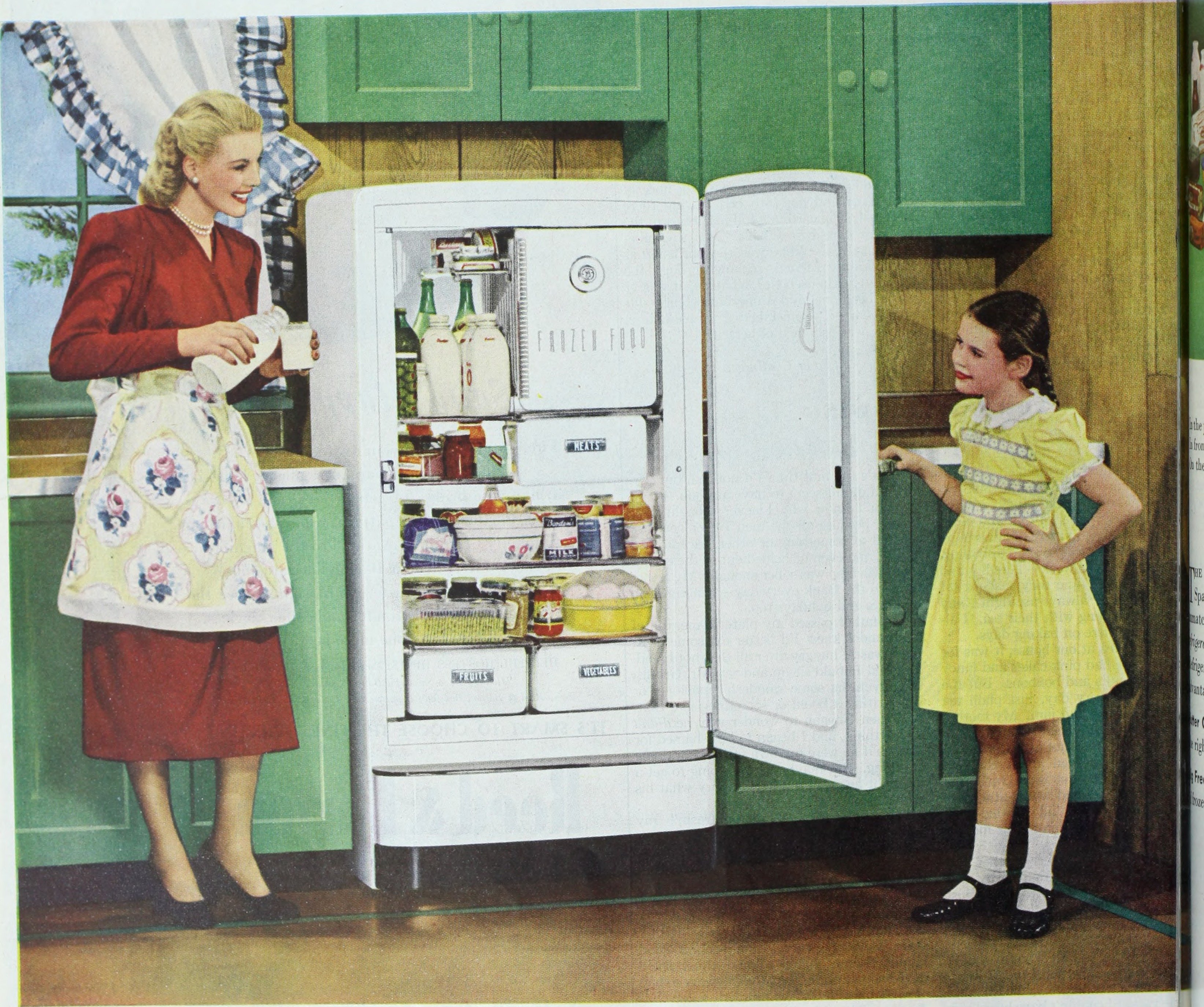
Advertising campaigns (e.g. household appliances) showed women as happy domestic figures
Why did this cause discontent?
Women who felt unhappy believed they were personally failing and it increased internal conflict
This strengthened the desire to challenge societal expectations
Women had no socially accepted alternative identity other than being a housewife
It created pressure to conform
This caused dissatisfaction when the reality did not match the ideal
It led to a sense of being trapped in a prescribed role
Historiography
Betty Friedan
The Feminine Mystique (1963)
Friedan argued that many middle-class American women experienced deep dissatisfaction with domestic life, which she famously described as “the problem that has no name.”
She suggested that women were unfulfilled by the expectation to remain housewives despite higher education and capabilities
The problem lay buried, unspoken for many years in the minds of American women. It was a strange stirring, a sense of dissatisfaction, a yearning that women suffered in the middle of the twentieth century in the United States. Each suburban housewife struggled with it alone. As she made beds, shopped for groceries, matched slipcover material, ate peanut butter sandwiches with her children, chauffeured Cub Scouts and Brownies, lay beside her husband at night - she was afraid to ask even of herself the silent question - "Is this all?"
An extract from Chapter 1 of Betty Friedan's 'The Feminine Mystique' (1963)
Lack of freedom
Women experienced a lack of personal autonomy and freedom, despite living in increasingly democratic and affluent societies
Many women had little control over major life decisions
They were still expected to marry young (the average marriage age in the US dropped to around 20 in the 1950s)
There was also a social stigma against remaining single or childless
Legal and financial restrictions reinforced this
For example, women struggled to obtain credit or bank accounts independently before 1974
The Post-war period saw a rise in female education, with increasing university attendance in the 1950s–60s
Expectations to focus solely on home and family ignored women’s education and capabilities
This intensified women's frustration
Companies frequently fired or forced women to resign upon getting married
This was known as a ‘marriage bar’
Betty Friedan conducted surveys of Smith College graduates (1957)
The survey documented women feeling a loss of identity and a lack of purpose beyond serving their husbands and children
This showed that dissatisfaction was widespread rather than an ‘individual failure’ and that it was rooted in the social structure
Why did this cause discontent?
The increase in female education highlighted a contradiction
Women were told they were free citizens, but lacked real freedom
It produced frustration among educated women who expected independence and self-fulfilment
It created a mismatch between ability and opportunity, which led to feelings of wasted potential and intellectual stagnation
This was particularly important in mobilising middle-class feminist activism
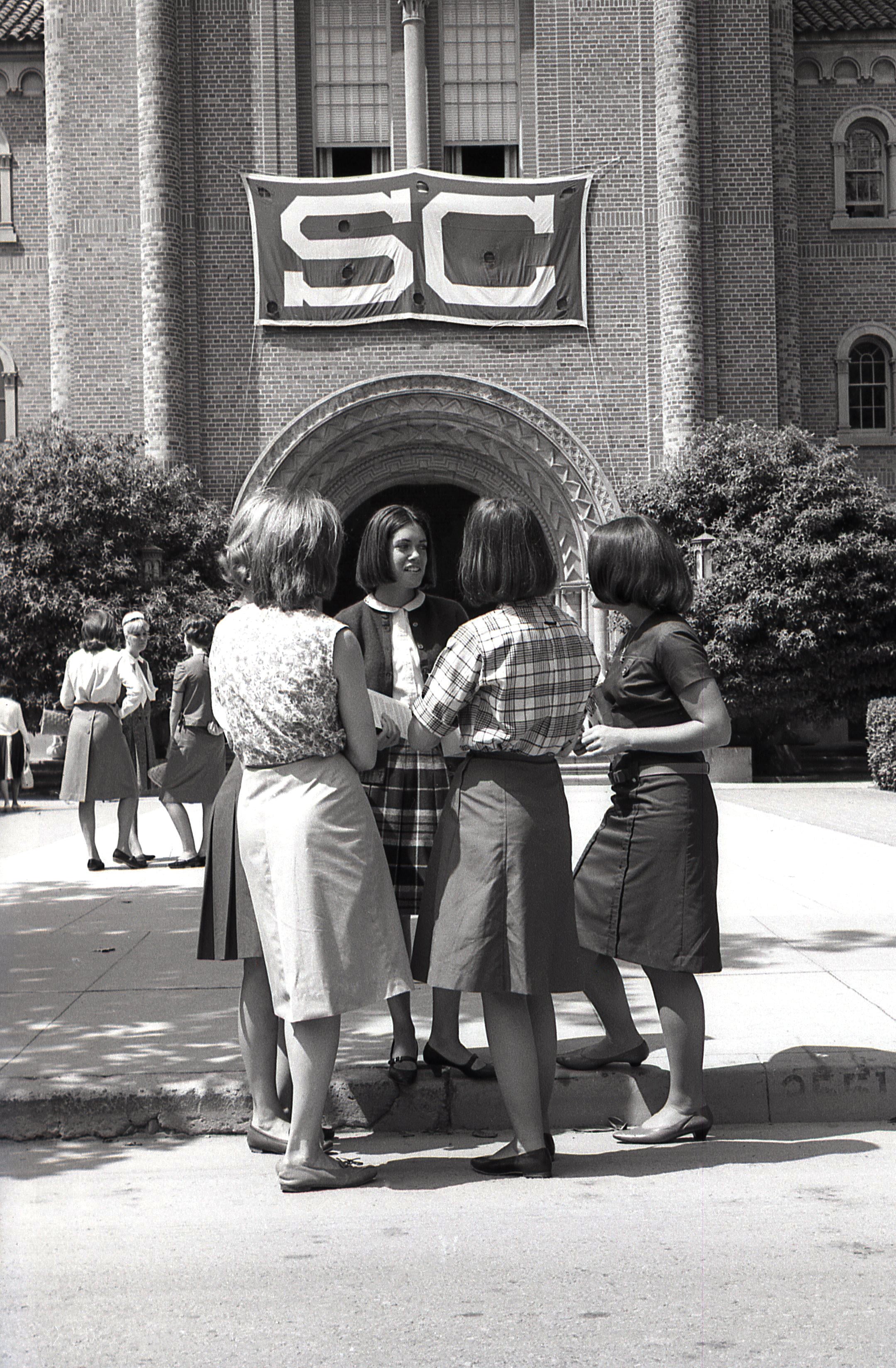
Lower-class women and the “double burden”
Lower-class women faced a “double burden” (work and domestic responsibilities)
This exposed inequality within the housewife ideal
Unlike middle-class women, working-class women often had to work outside the home due to financial strain
These jobs were usually low-paid service jobs, including factory work or cleaning
Women were still expected to maintain full domestic responsibilities
Why did this cause discontent?
This highlighted class inequality within gender roles and a dissatisfaction with the housewife ideal
Working-class women had economic responsibility and domestic burden, receiving low wages and little recognition for their work
This reinforced the perception that society exploited women’s labour both inside and outside the home
Isolation of suburban life
After 1945, there was a rapid expansion of suburbs in the USA
For example, Levittown (late 1940s–1950s)
These were mass-produced housing developments designed for nuclear families
The suburbs were geographically separated from city centres (where jobs, culture, and politics were located)
They were designed around car travel
Many women initially lacked access to cars
This meant that women were confined to domestic chores in the house and taking care of the children for long periods
This reinforced women's dependence on their husbands, not just financially but also socially.
Women had limited access to employment, education and social interaction, including extended family and community
Why did this cause discontent?
This isolation increased feelings of loneliness and a lack of intellectual/social stimulation
It reinforced a sense of being trapped in repetitive, invisible labour
Discontent was not just about work or law, but the everyday lived experience
Examiner Tips and Tricks
In your Paper 1 exam, you will need to analyse different sources like the advertisement above.
You will also be given an inquiry question like this one - 'Assess the reasons for the emergence of the feminist movement in the USA'.
Think about how you could use this advertisement to answer the inquiry question.
HINT! Think about societal expectations and the media!

Unlock more, it's free!
Join the 100,000+ Students that ❤️ Save My Exams
the (exam) results speak for themselves:

Was this revision note helpful?
