Halogenoalkanes: Reactivity, Reactions & Ozone Depletion (AQA A Level Chemistry): Video
Exam code: 7405
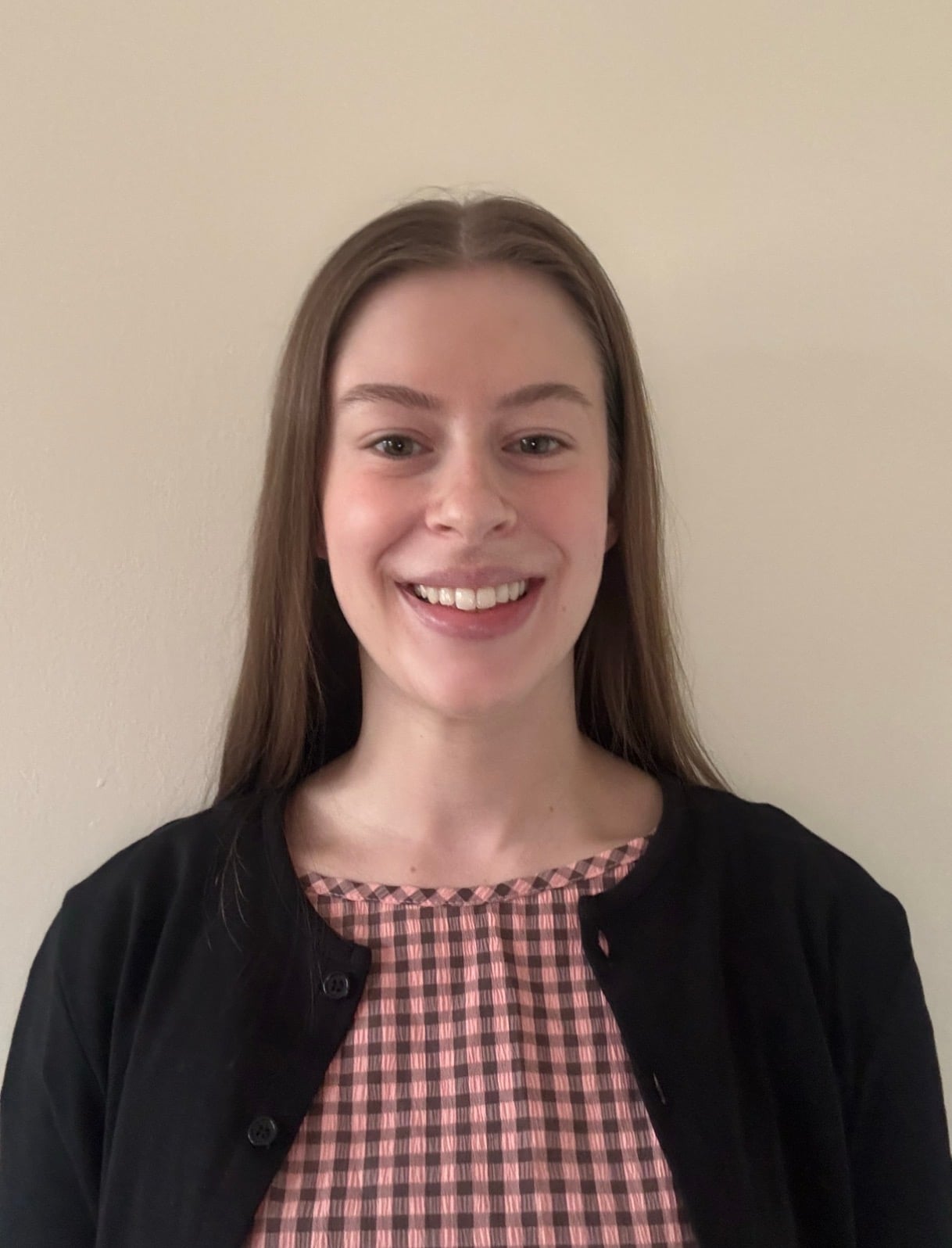
Presented by: Eleanor Lomax
Reviewed by: Abi Blackham
Hi, I'm Eleanor with 3 years of experience teaching Chemistry, and this video is about the reactivity of halogenoalkanes, their reactions, and the part they play in ozone depletion.
All three come down to the carbon-halogen bond: it is polar, and its strength decides how fast it breaks.
Halogenoalkanes contain a polar carbon-halogen bond. That polarity is what leaves the carbon open to attack by a nucleophile, and the strength of the same bond is what decides how fast the reaction goes: the weaker the carbon-halogen bond, the faster the halogenoalkane reacts. The same bond strength argument explains what happens to CFCs in the upper atmosphere, where ultraviolet light breaks the weaker carbon-chlorine bond rather than the carbon-fluorine one.
We'll take reactivity first, and how bond enthalpy sets the rate. Then the two reactions halogenoalkanes undergo, nucleophilic substitution and elimination, and what decides which one you get. Finally, what chlorine radicals from CFCs do to the ozone layer.
Substitution reactions involve breaking the carbon-halogen bond, so the bond enthalpies can be used to explain the different reactivities of the halogenoalkanes. The carbon-iodine bond requires the least energy to break and is the weakest carbon-halogen bond, so iodoalkanes have a very fast rate of reaction. The carbon-fluorine bond requires the most energy to break and is the strongest, so fluoroalkanes are the least likely to undergo substitution.
Reacting halogenoalkanes with aqueous silver nitrate solution gives a precipitate, and the rate at which that precipitate forms can also be used to determine reactivity. Silver iodide forms fastest and silver fluoride slowest, which confirms the order the bond enthalpies predict.
Halogenoalkanes are much more reactive than alkanes because of the electronegative halogen: the carbon-halogen bond is polar, so the carbon carries a partial positive charge and the halogen a partial negative charge. That partially positive carbon is what a nucleophile attacks.
There are three nucleophiles to know. With hydroxide ions, from an aqueous solution of sodium or potassium hydroxide warmed with the halogenoalkane in ethanol, the product is an alcohol, and this is a hydrolysis reaction. With cyanide ions, from ethanolic potassium cyanide heated under reflux, the product is a nitrile, and because the cyanide adds a carbon atom, this reaction makes a compound with one more carbon than the starting material. With ammonia, as an ethanolic solution of excess ammonia heated under pressure, the product is a primary amine.
In an elimination reaction the organic molecule loses a small molecule, and for halogenoalkanes that molecule is a hydrogen halide. Heating the halogenoalkane with ethanolic sodium hydroxide breaks the carbon-halogen bond heterolytically, leaving a halide ion and an alkene as the organic product.
The reagent is the same sodium hydroxide as before, so it is the conditions that decide the product: hot and in ethanol gives elimination and an alkene, while warm and aqueous gives nucleophilic substitution and an alcohol. It comes down to whether water is present or not but either way it is the carbon-halogen bond that breaks.
The ozone layer is beneficial for life on Earth because it absorbs most of the sun's harmful ultraviolet radiation. Chlorofluorocarbons, or CFCs, are halogenoalkanes in which all the hydrogen atoms have been replaced by chlorine and fluorine atoms. They are chemically inert, non-flammable and non-toxic, which made them useful as refrigerants, as propellants for aerosols, and as solvents for dry cleaning.
In the upper atmosphere, CFCs absorb ultraviolet radiation and are broken down by it to form chlorine radicals. It is the carbon-chlorine bond that breaks, not the carbon-fluorine bond, because it is weaker: the same bond strength argument as before. Those chlorine radicals react with ozone and break down the ozone layer, and because the chlorine radical is regenerated in the second step, a single one can destroy many thousands of ozone molecules. Research by different groups in the scientific community provided the evidence for legislation banning CFCs as solvents and refrigerants, and chemists have now developed chlorine-free alternatives such as hydrofluorocarbons.
You need to be able to write both propagation equations, to state that the chlorine radical is a catalyst because it is regenerated, and to explain that ultraviolet light breaks the weaker carbon-chlorine bond rather than the carbon-fluorine bond.
The carbon-halogen bond is polar, so the carbon is open to attack by a nucleophile, and hydroxide, cyanide and ammonia give an alcohol, a nitrile and a primary amine respectively. Heating with ethanolic sodium hydroxide eliminates a hydrogen halide instead and gives an alkene, so the conditions decide the product.
The strength of that same bond decides the rate: the weaker the carbon-halogen bond, the faster the reaction, which is why iodoalkanes react fastest and fluoroalkanes slowest, and why ultraviolet light breaks the carbon-chlorine bond in a CFC rather than the carbon-fluorine one.
On Save My Exams, you'll find exam specific revision, made by trusted examiners. Study with revision notes, practice with exam questions, and improve your grade by targeting your weak spots. Visit the links in the description.
Was this video helpful?
Build on this topic
Presenter: Eleanor Lomax
Expertise: Chemistry Curriculum Expert
Eleanor is a Trainee Clinical Scientist working in the NHS, alongside completing a Master’s degree in Clinical Science. She holds a BSc in Biological Sciences from Durham University and has experience teaching and tutoring GCSE and A-level Chemistry and Biology. Through her development of a tutoring organisation, she has supported over 1,600 students and has also taught science in both primary and secondary schools.
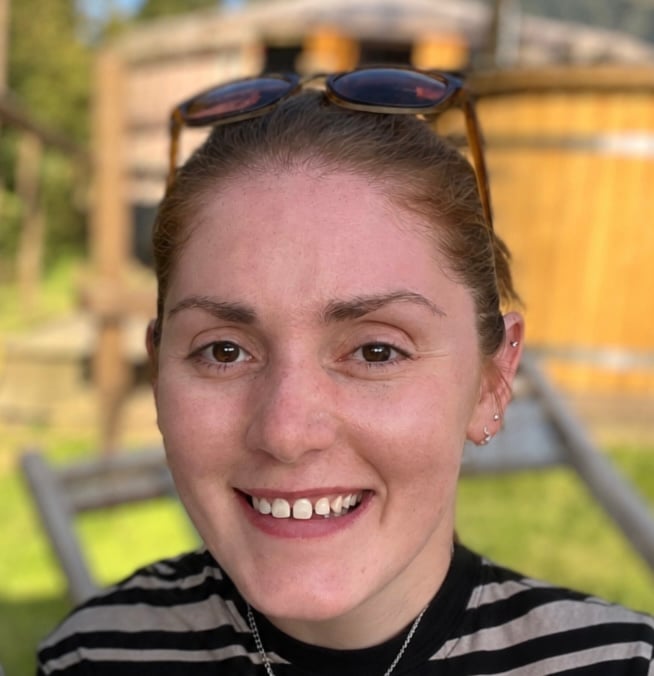
Reviewer: Abi Blackham
Expertise: Chemistry Curriculum Expert
Abi is a Chemistry teacher with a First Class BSc in Biochemistry and Genetics from the University of Sheffield. She has taught and tutored students across GCSE and A-level Chemistry and Biology and brings her classroom experience into her work as a Chemistry content creator for EdTech companies. Abi particularly enjoys breaking down challenging Chemistry topics into clear, manageable ideas and helping students build the knowledge and confidence they need to succeed in their exams.