China in 1949: The Aftermath of the Civil War (Edexcel A Level History: Route E: Communist states in the twentieth century): Revision Note
Exam code: 9HI0

Background summary
In 1949, the Chinese Communist Party (CCP) came to power
Up to that point, the 20th century had been a time of chaos and dramatic change for China.
In 1911, the Qing dynasty, which had been in power since 1644, was overthrown and replaced by a republic
This led to rival warlords emerging who tried to wrestle control of their local regions from the national government
These warlords were eventually defeated by the leader of the Nationalist Guomindang, Chiang Kai-shek, in 1927
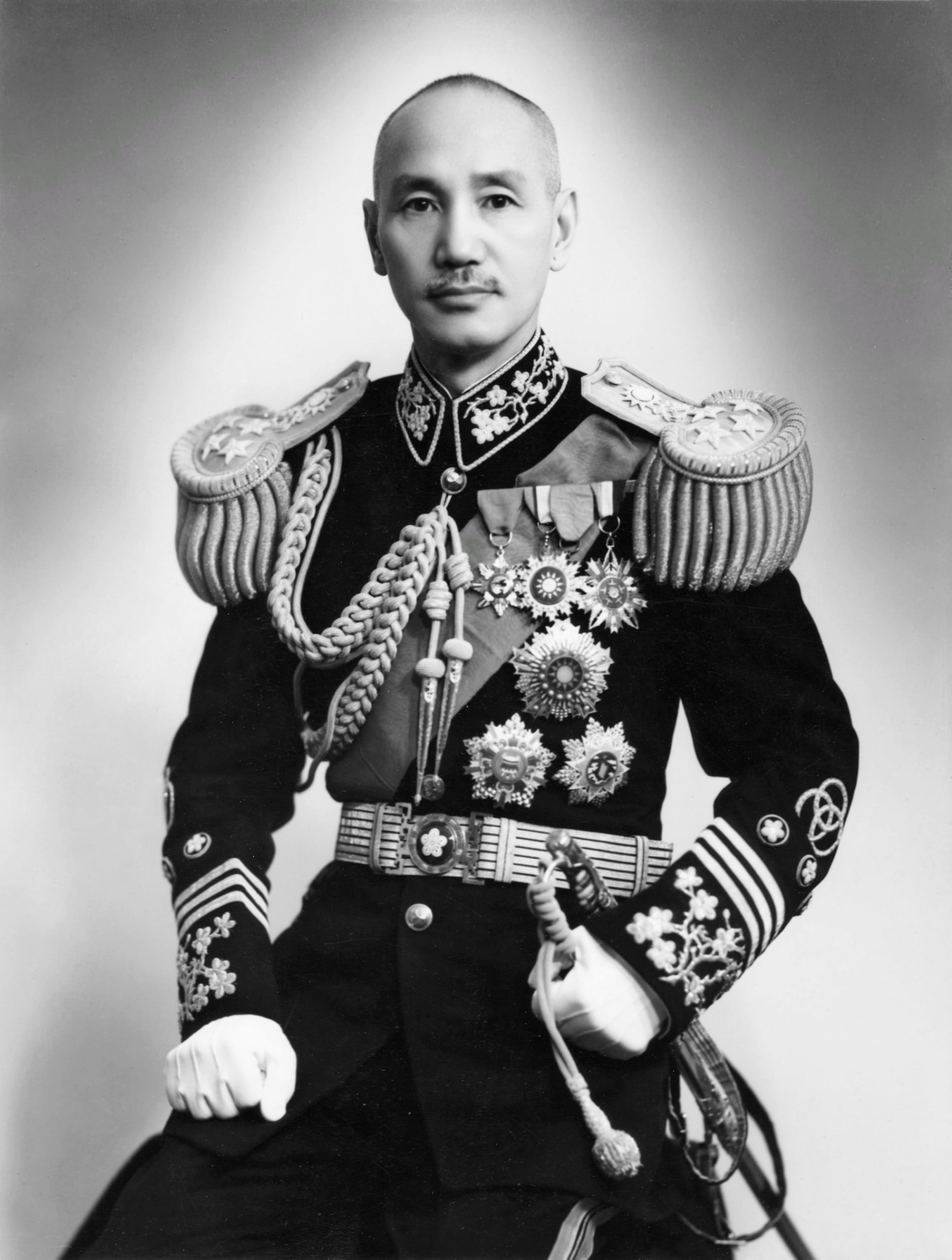
Chiang Kai-shek restored relative stability and attempted to crush China's communists
The attempt to halt the communists failed
The communists made a successful retreat to Yan'an
This retreat became part of CCP folklore and became known as the Long March
During the Long March, at the Zunyi Conference (Jan 1935), Mao Zedong emerged as the leader of the CCP
Intermittent conflict between the Nationalist Party and the Communists continued until 1949
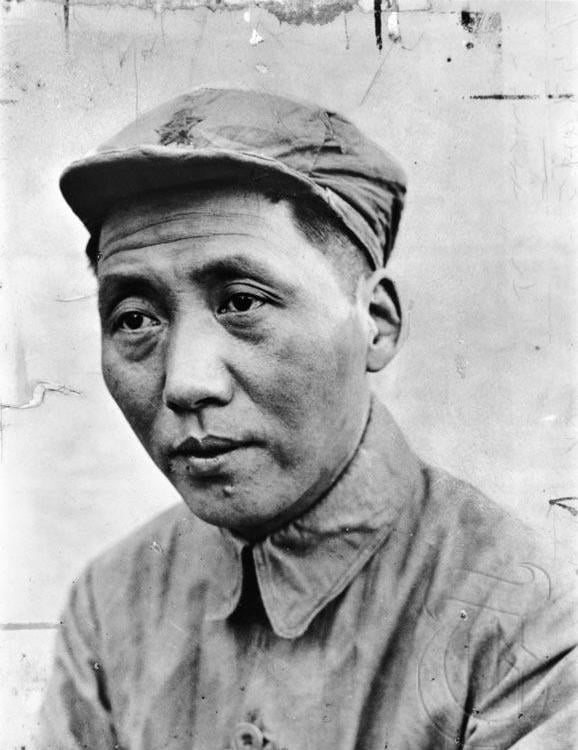
In 1931, the Japanese Empire invaded China and seized control of Manchuria
In 1937, hostilities between the Nationalists and the communists ceased when Japan began to try to expand the area of China that it controlled
This led to the Nationalists and the CCP forming a United Front to fight against the invading Japanese
This was followed by World War II, which also led to a pause in hostilities between the two groups
When Japan surrendered to the United States in 1945, it meant that the Nationalists and the CCP no longer had a common enemy.
The US encouraged the two sides to form a coalition government, but an open civil war broke out in 1946
The CCP had gained the support of most of the rural peasants while fighting against the Japanese
The Nationalists enjoyed the support of the US and had much more resources, but failed in their attempts to launch knock-out blows against the Communists
Gradually, the Communists began to take control of Nationalist areas and, in December 1949, Chiang Kai-shek fled with his government and remaining forces to the island of Taiwan
This left Mao Zedong free to declare the establishment of the People's Republic of China and the victory of the CCP after three years of civil war
China after the Civil War, 1946 to 1949: Industry, agriculture and infrastructure in crisis
Industry
Years of war had left much of China's industry badly damaged or destroyed
Retreating Nationalist forces had deliberately sabotaged industrial equipment to prevent the Communists from benefiting from it
In Manchuria, which Soviet soldiers occupied at the end of the Second World War, much of the industrial and mining equipment was confiscated and taken to the USSR
Power stations lacked coal, so the electricity supply was inconsistent
The combined effect was that China's factory output in 1949 was 44 per cent below what it had produced in 1939
Many of the businessmen and industrialists who understood how to rebuild China's industry had fled with the Nationalists to Taiwan
Agriculture
Peasants who worked the land in rural areas made up 80 per cent of China's population in 1949
Agricultural output decreased due to:
The Civil War and World War II
Many peasants were supporters of the Communists, but were forced to join the armies of the Nationalists
Without enough people to work the fields, many crops had died, and fields were left neglected
The widespread use of human excrement as a fertiliser often had deadly consequences and spread disease
The overall result was a reduction in China's food supplies, which led to widespread hunger
Infrastructure
The wars had also left China's infrastructure badly damaged
The communists had routinely destroyed bridges and railway tracks to prevent the Nationalists from moving troops and equipment
Once the Communist Party was in power, this destruction created significant problems
Large parts of the country were cut off from each other
Moving supplies by water was made more difficult by the fact that many ports had been targeted during the fighting
Many rivers were blocked by sunken ships
The state of China's economy and society by 1949
Society
Chinese society was unequal in 1949
Many peasants lived in extreme poverty and survived by working the land
Corrupt landlords and criminal gangs made their lives even worse
There was no access to police or any form of healthcare outside of the major cities
Levels of literacy were very low
Women were not allowed to own property and were not considered equal to men
Economy
The wars had completely devastated China's economy
In many places, it had collapsed completely
The Nationalists had printed more currency to pay their soldiers, which led to hyperinflation
This led to people exchanging goods through bartering
When the Nationalists were defeated, they fled to Taiwan
Many of the civil servants, industrialists and businessmen fled with them to Taiwan
Although the Communists were popular with peasants in the countryside, the wealthy people in cities who had money and property to lose were mostly opposed to them
This meant the economy was deprived of people with the expertise and experience to run cities and rebuild the industry and infrastructure
How serious were the problems facing the CCP in 1949
The problems facing the CCP in 1949 have been looked at in different ways
Some historians focus on the damage caused by years of war, the lack of an industrial base and the shortage of food, money and expertise.
Others emphasise how bringing the civil war to an end after so many years of conflict meant there was a great deal of goodwill towards the Communists
A country ravaged by war view
World War II led to the deaths of an estimated 20 million Chinese people
China had not experienced the Industrial Revolution like many countries in Europe, North America or Japan
It had also lost much of the industry it had to war or the USSR
Key historians
As the People’s Liberation Army took control of the country region by region from the fleeing Nationalist military, the extent of China’s disrepair became apparent. In their hasty flight from the mainland, the Nationalists had stripped the country of all liquid assets such as gold, silver, and dollar reserves; they had also packed up and moved - on boats and planes supplied by the United States - the ‘‘cultural patrimony’’ of China, including the treasures of Beijing’s Forbidden City and other movable artistic and archival items of value. They had attempted to firebomb industrial sites to prevent them from falling into CCP hands. However, many workers acted to protect their factories from destruction. Adding to the problems, bandits roamed the scorched countryside, preying upon a weakened people; displaced refugees from the Japanese occupation and from the ravages of the civil war wandered the nation and clogged the cities. Commerce had been destroyed, first by the wars and then by rampant inflation; the national currency was worthless, and a barter economy had emerged. Portions of the urban intelligentsia and technologically proficient elites had fled with the Nationalists, leaving cities without administration and institutions without management. Daily necessities were scarce and prohibitively expensive. Urban unemployment was rife; rural productivity was at an all-time low. With the often enthusiastic, although sometimes only tepid, support of the majority of China’s war-weary people, Mao’s and the CCP’s duties were daunting. Rebecca E. Karl, Mao Zedong and China in the Twentieth-Century World
A Concise History, 2010
A country united by communism view
Bringing the war to an end after so many years of conflict meant there was a great deal of goodwill towards the Communists
Key historians
In 1949, the majority of China’s citizens, and many foreign residents, too, looked to the advent of communist administration as bringing not repression but release from the graft and rottenness that had marked the final stages of nationalist rule. Alan Winnington, a British journalist who was with the first PLA detachment to enter Beijing, found the streets lined by a mass of ‘shouting, laughing, cheering people’. Derk Bodde, then carrying out research at Qinghua University, wrote in his diary of ‘a new feeling of relief’ in the city. ‘There is no doubt in my mind’, he added, ‘that the communists come here with the bulk of the population on their side.’ The foreign captain of a Hong Kong tramp steamer, one of the first ships into Tianjin after the communist takeover, was dumbfounded to find a port without ‘squeeze’ (bribery system). Not only were bribes refused, he reported, no one would accept even a cigarette. Philip Short, Mao: The Man Who Made China, 2016
Examiner Tips and Tricks
Although events such as the Long March, the Japanese invasion and the Civil War are not in the specification, having a good working knowledge of them will give you a greater understanding of the period and add greater depth to your answers.

Unlock more, it's free!
Join the 100,000+ Students that ❤️ Save My Exams
the (exam) results speak for themselves:

Was this revision note helpful?
Build on this topic