Global Systems (AQA A Level Geography): Exam Questions

Exam code: 7037

2 hours13 questions
1
1 mark

Which of the following best describes interdependence within global systems?

  • A situation in which a country produces everything it needs and trades with no other countries.

  • The movement of tourists from higher-income to lower-income countries for holidays.

  • A situation in which countries are connected and rely on one another, so that changes in one place affect others.

  • The process by which a government takes direct control of industries within its own borders.

2
4 marks

Outline the ways in which places have become interdependent within global systems.

3
1 mark

Which of the following best illustrates unequal power relations within global systems?

  • Two neighbouring countries of similar wealth agreeing a free-trade deal that benefits both equally.

  • A group of tourists choosing which country to visit on holiday.

  • A country deciding to grow more of its own food in order to reduce imports.

  • Powerful institutions such as the World Trade Organization and the IMF setting global trade and lending rules that tend to favour higher-income countries.

4
4 marks

Outline how flows of money, ideas and technology within global systems can be unequal.

5
1 mark

Which of the following is the best example of an unequal flow of people within global systems?

  • Tourists from one high-income country visiting another high-income country.

  • Skilled workers, such as doctors and nurses, migrating from lower-income countries to higher-income countries.

  • People moving from one city to another within the same country for work.

  • A family taking a short holiday in a neighbouring region.

1
Sme Calculator
6 marks

Using Figure 4 and your own knowledge, assess the extent to which the flows of electronic waste shown on the map are similar to the other flows, of capital, raw materials and products linked with globalisation.

fig-4-paper2-specimen-aqa-alevel-geography
2
Sme Calculator
6 marks

Figure 1 shows the leading international trade partners and their pattern of trade with each other in 2013.

Figure 1

The lines are drawn in proportion to the amount of trade at the point of origin and destination

fig-1-paper2-june2019-aqa-alevel-geography

b)

Analyse the data shown in Figure 1.

3
6 marks

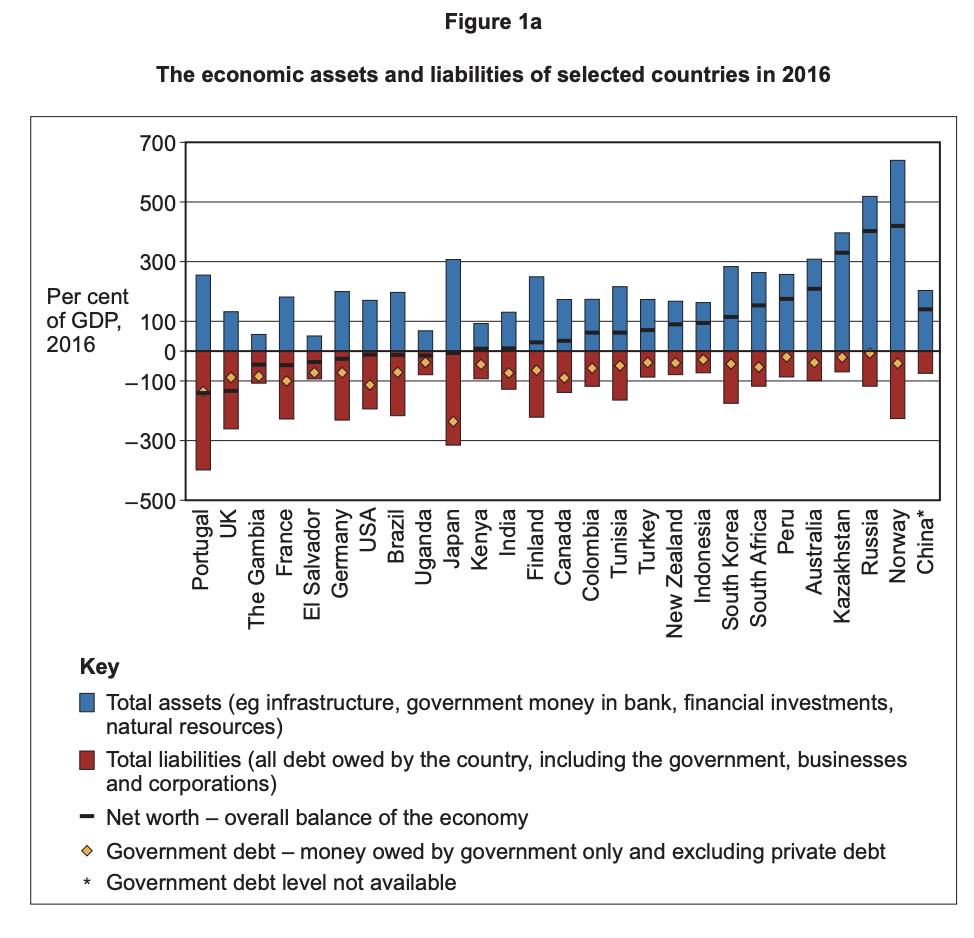
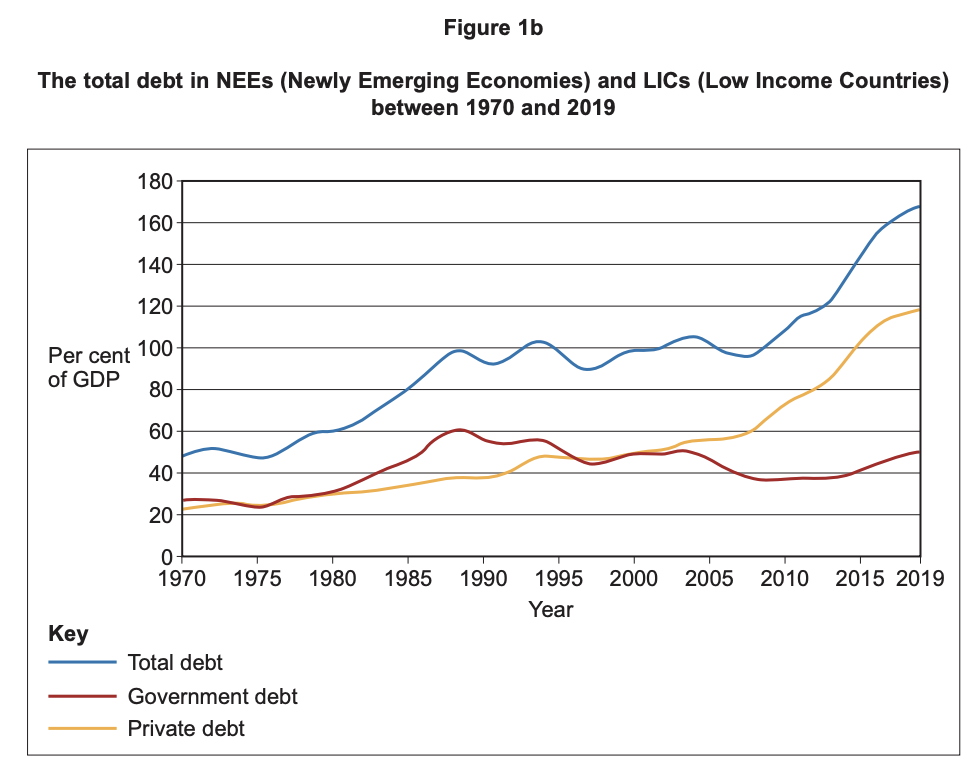
Figures 1a and 1b are in the insert. Figure 1a shows the economic assets and liabilities of selected countries in 2016. Figure 1b shows the total debt in NEEs (Newly Emerging Economies) and LICs (Low Income Countries) between 1970 and 2019.

Bar chart comparing 2016 economic assets, liabilities, net worth and government debt as % of GDP for multiple countries, showing wide variation in balances.
Line graph of NEEs and LICs showing total, government and private debt rising as a share of GDP from 1970 to 2019, with sharp debt growth after 2005.

Analyse the data shown in Figure 1a and Figure 1b.

4
Sme Calculator
6 marks

Study Figure 1, which shows personal remittances received by five countries in 2022.

Figure 1: Personal remittances received by selected countries, 2022

Country

Remittances received (US$ billion)

Remittances as a share of GDP (%)

India

111

3

Mexico

61

4

Philippines

38

9

Nepal

9

23

Tonga

0.2

44

Analyse the data shown in Figure 1.

5
6 marks

Assess the extent to which unequal power relations shape the flows of money within global systems.

1
Sme Calculator
20 marks

‘Transnational corporations (TNCs) are the most significant factor in creating unequal flows of people and money within global systems.’ With reference to a TNC, assess the extent to which you agree with this statement.

2
20 marks

Assess the view that increasing global interdependence creates as many problems as benefits for countries.

3
20 marks

'Unequal power relations mean that global systems benefit some countries far more than others.'

How far do you agree with this statement?