Ecosystems & Sustainability (AQA A Level Geography): Exam Questions

Exam code: 7037

2 hours13 questions
1
Sme Calculator
1 mark

What is the distinction between the biotic and abiotic components of an ecosystem?

[1]

  • Biotic elements are the weathered rock and leaf litter. These elements interact with the organisms, heat and light (abiotic) to help produce a soil structure.

  • Biotic elements are part of the structure of a food chain. The biotic elements provide the building blocks of life. The abiotic elements feed off the biotic elements in the food chain.

  • Biotic elements are responsible for processes such as leaching and decomposition. Abiotic elements provide the raw materials (such as water) which allow life to flourish.

  • Biotic elements are the living part of an ecosystem such as micro-organisms, plants and animals. Life is supported by the abiotic elements such as weathered rock, climate and various gases.

2
4 marks

Outline the causes of biodiversity loss in tropical ecosystems.

3
4 marks

Outline what is meant by biodiversity.

4
4 marks

Outline the ecosystem services provided by ecosystems.

5
4 marks

Outline the impacts of a decline in biodiversity.

1
Sme Calculator
6 marks

Figure 11a shows the global human footprint in 2009.

Figure 11b shows the change in the global human footprint between 1993 and 2009.

Figure 11a

The global human footprint in 2009.

fig-11a-inserts-paper1-nov2020-aqa-alevel-geography

Figure 11b Change in the global human footprint between 1993 and 2009

fig-11b-inserts-paper1-nov2020-aqa-alevel-geography-1

Note: The global human footprint combines the pressures of infrastructure, human land use and human access on natural areas.

Analyse the data shown in Figure 11a and Figure 11b.

2
6 marks

Using Figure 1 and your own knowledge, assess the importance of the ecosystem services provided by tropical ecosystems.

Figure 1: Estimated annual economic value of ecosystem services by biome type and service category (billion USD per year)

Ecosystem service type

Tropical Rainforest

Coral Reef

Temperate Woodland

Provisioning

28

3

4

Regulating

42

7

6

Cultural

8

11

3

Supporting

31

5

5

Total

109

26

18

Source: Adapted from de Groot et al., TEEB Ecosystem Services Assessment, 2012 (values are order-of-magnitude estimates)

3
6 marks

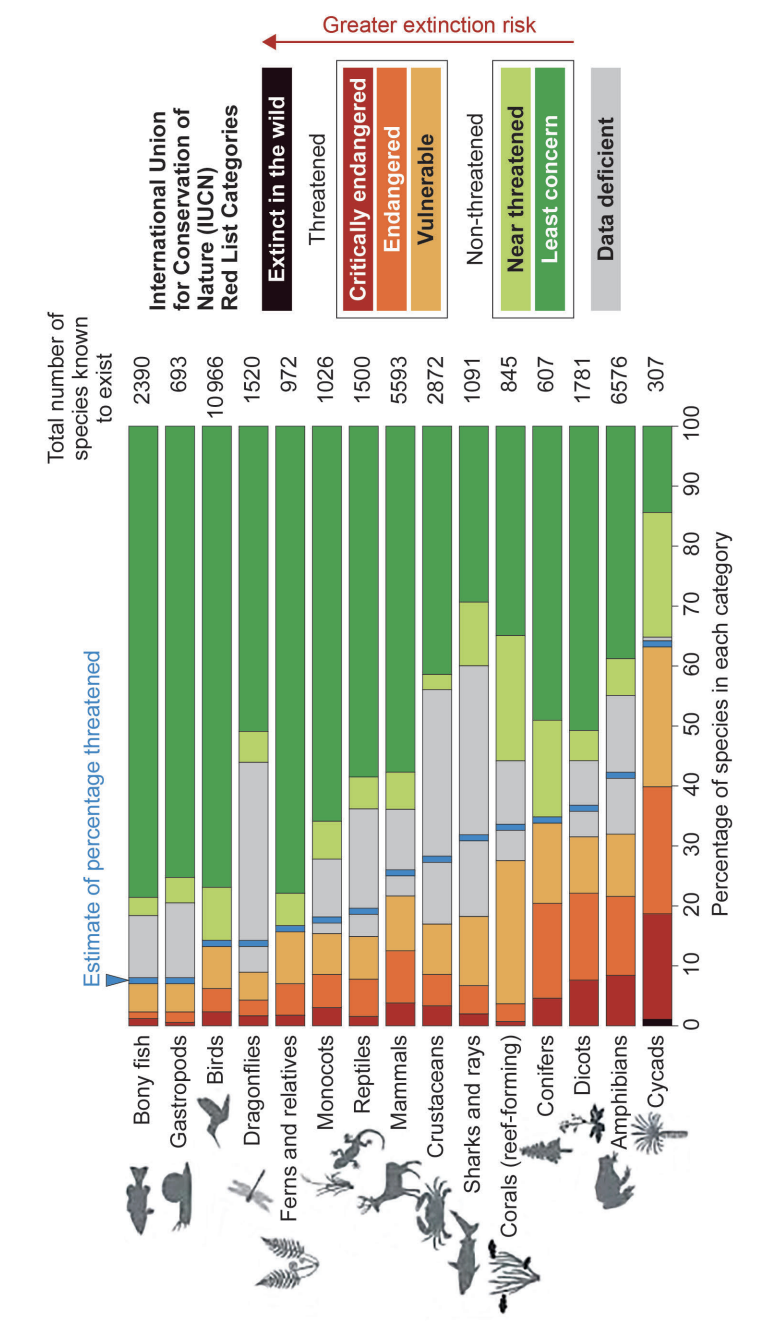
Figure 11 shows information about global biodiversity by species category measured in 2019.

Information about global biodiversity by species category measured in 2019
Figure 11 - Information about global biodiversity by species category measured in 2019

Analyse the information shown in Figure 11.

4
6 marks

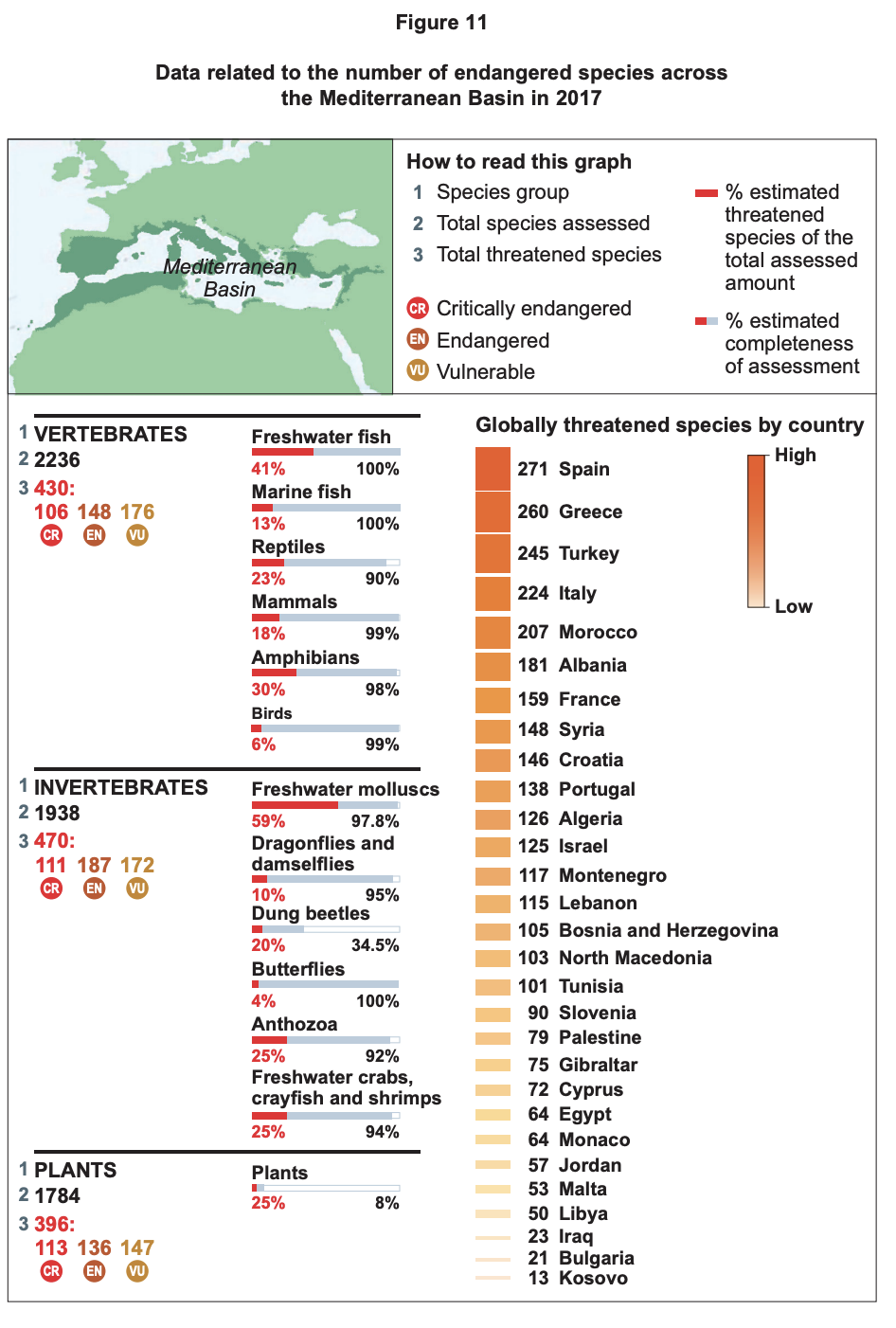
Figure 11 is in the insert. Figure 11 shows data related to the number of endangered species across the Mediterranean Basin in 2017.

Infographic of 2017 endangered species in the Mediterranean Basin by group and threat level, with bars comparing globally threatened species numbers by country.

Analyse the data shown in Figure 11.

5
9 marks

Assess the relative importance of the different causes of biodiversity decline.

1
Sme Calculator
20 marks

‘Changing attitudes towards sustainable tourism, recreation and conservation have meant that local scale ecosystems are no longer under threat.’

To what extent do you agree with this view?

2
Sme Calculator
20 marks

‘It is simply not possible to find a true balance between biodiversity and sustainable economic development in savanna grasslands. Economic development will always come at the expense of biodiversity.’

To what extent do you agree with this view?

3
20 marks

'Ecosystems should be conserved for the value they provide to people rather than for their own sake.'

To what extent do you agree?