Urban Waste & Disposal (AQA A Level Geography): Exam Questions

Exam code: 7037

2 hours13 questions
1
1 mark

Which of the following is a major source of waste in cities?

  • Rainfall and other forms of precipitation.

  • Wind blowing dust into the city from rural areas.

  • Households, shops, offices, industry and construction sites.

  • The natural decay of rocks beneath the city.

2
4 marks

Outline the main waste streams produced in urban areas.

3
1 mark

Which of the following best describes the global waste trade?

  • The movement of waste between different boroughs within a single city.

  • The export of waste, such as electronic and plastic waste, from higher-income countries to lower-income countries for processing or disposal.

  • The recycling of waste within the country where it was produced.

  • The use of robots to sort waste in modern recycling plants.

4
4 marks

Outline different methods used to dispose of or manage urban waste.

5
4 marks

Outline the impacts of landfill as a method of waste disposal.

1
Sme Calculator
6 marks

Figure 5a shows the percentage of low-paid residents in each London borough in 2015–16.

Figure 5b shows the percentage of waste that was recycled in each London borough in 2015–16.

Figure 5c shows a Spearman’s rank calculation used to study whether there is a relationship between the proportion of low-paid residents and rates of recycling in London boroughs in 2015–16.

Figure 5a

The percentage of low-paid residents in each London borough in 2015–16

fig-5a-inserts-paper2-june2019-aqa-alevel-geography

Figure 5b – Percentage of waste recycled, 2015–16

fig-5b-inserts-paper2-june2019-aqa-alevel-geography

Figure 5c

The null hypothesis is: ‘There is no relationship between proportions of low-paid residents and rates of recycling in London boroughs.’

Rs Value

–0.206

Critical Value at 0.05 significance level (n = 33)

0.345

Analyse the data shown in Figures 5a, 5b and 5c.

2
9 marks

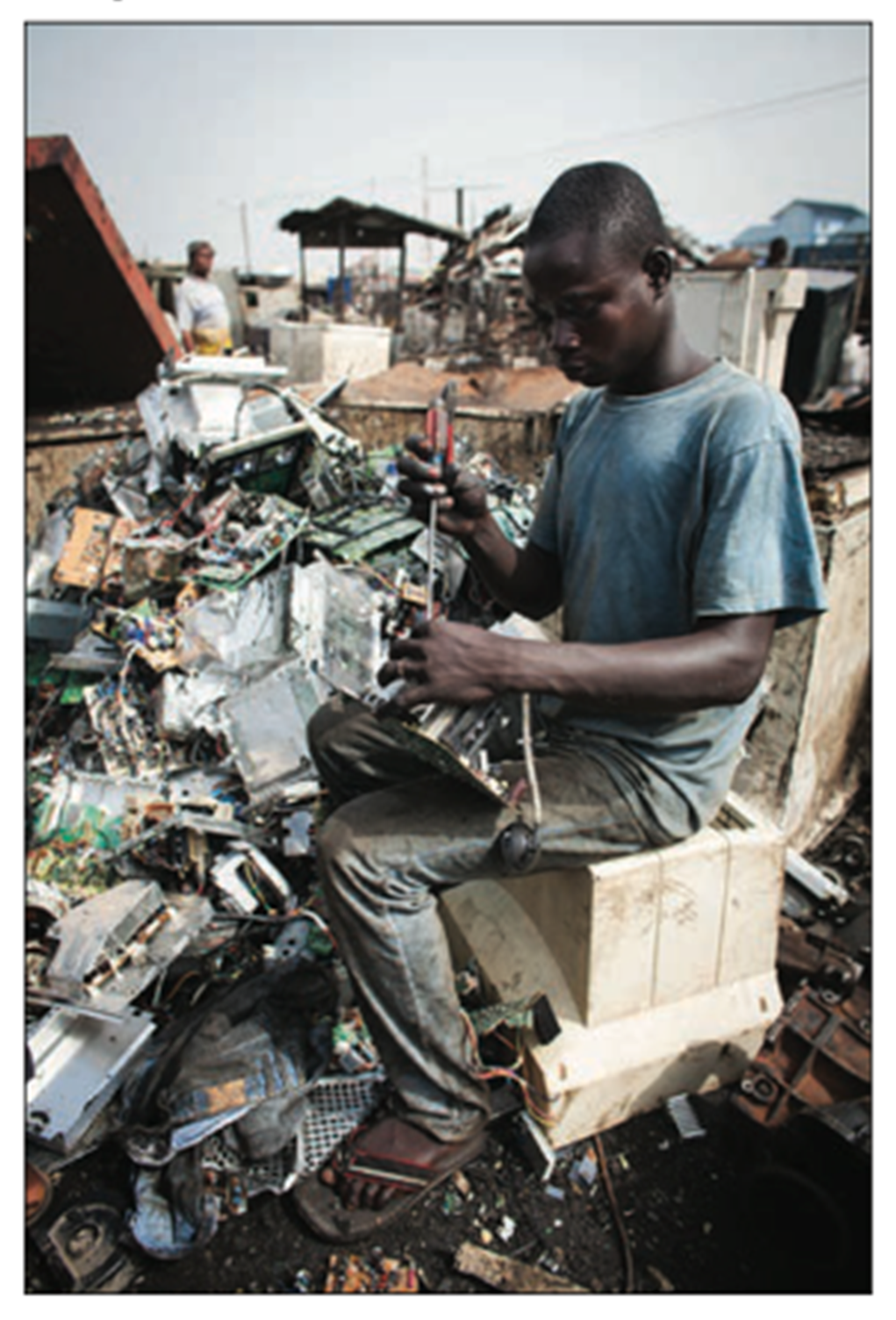
Figure 6 shows global flows of electronic waste sent to countries like Ghana for processing.

Young man sitting on a plastic crate, using a screwdriver to dismantle electronic waste in a scrapyard, with circuit boards and metallic debris around him.

Using Figure 6 and your own knowledge, assess the costs and benefits of the global trade in waste.

3
9 marks

'The success of recycling schemes to reduce waste in urban areas depends on the economic characteristics and attitudes of the population.'

How far do you agree with this view?

4
Sme Calculator
6 marks

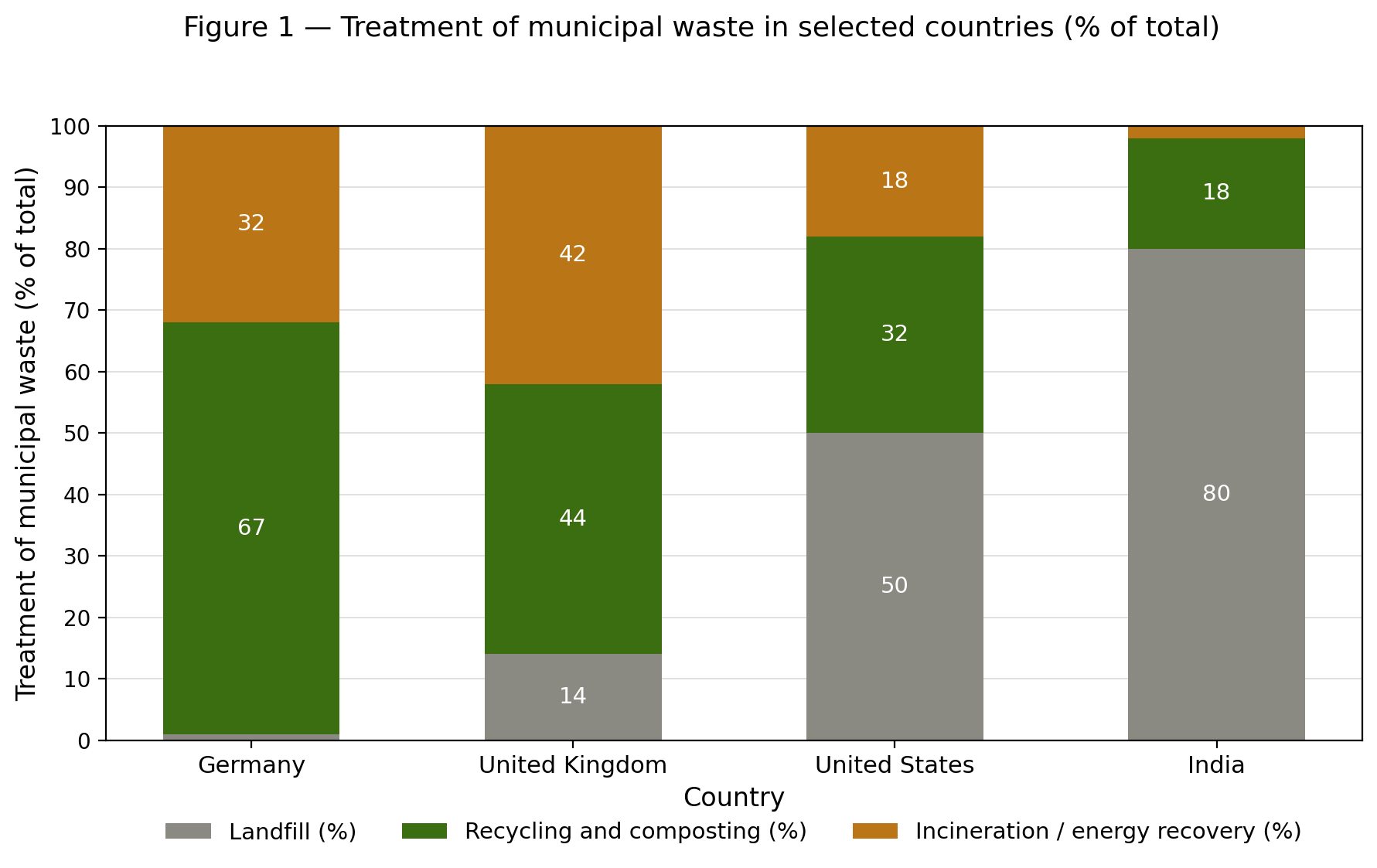
Study Figure 1, which shows how municipal waste is treated in four selected countries.

Figure 1: Treatment of municipal waste in selected countries (% of total waste)

Stacked bar chart comparing waste treatment: Germany recycles most (67%), India landfills most (80%); UK and US show mixed landfill, recycling and incineration.

Analyse the data shown in Figure 1.

5
9 marks

Assess the extent to which incineration is a sustainable way of dealing with urban waste.

1
20 marks

Assess the view that the most effective way to deal with urban waste is to reduce the amount produced.

2
20 marks

To what extent does the way a city deals with its waste depend mainly on its level of economic development?

3
20 marks

Assess the view that alternative methods of waste disposal create as many problems as they solve.