Antony and Cleopatra: Character Quotations (Cambridge (CIE) IGCSE English Literature): Revision Note
Exam code: 0475 & 0992

In your exam, you will be asked to respond to questions on themes and characters. Being able to support your answers with quotes from the text, and understand the context of these quotes, will help you to form higher level answers.
If you can remember quotes related to themes of the text, it is easier for you to focus on character representation and development. Here we will examine some important quotations from the following key characters:
Cleopatra
Antony
Octavius
Enobarbus
Examiner Tips and Tricks
It is important to remember that examiners reward the use of evidence to support your ideas. This does not mean you need to memorise long quotations. Instead, you should use short, well-chosen quotes to support a clear interpretation of a character or theme in Antony and Cleopatra.
Also remember that the term “references” in the mark scheme does not only mean quotations. You can also refer to key scenes and events from the play. For example, you might write: “In Shakespeare’s play, Antony’s decision to return to Cleopatra after the battle of Actium shows how his personal desires overpower his sense of duty.” This still shows secure knowledge of the text and supports your argument clearly.
Cleopatra
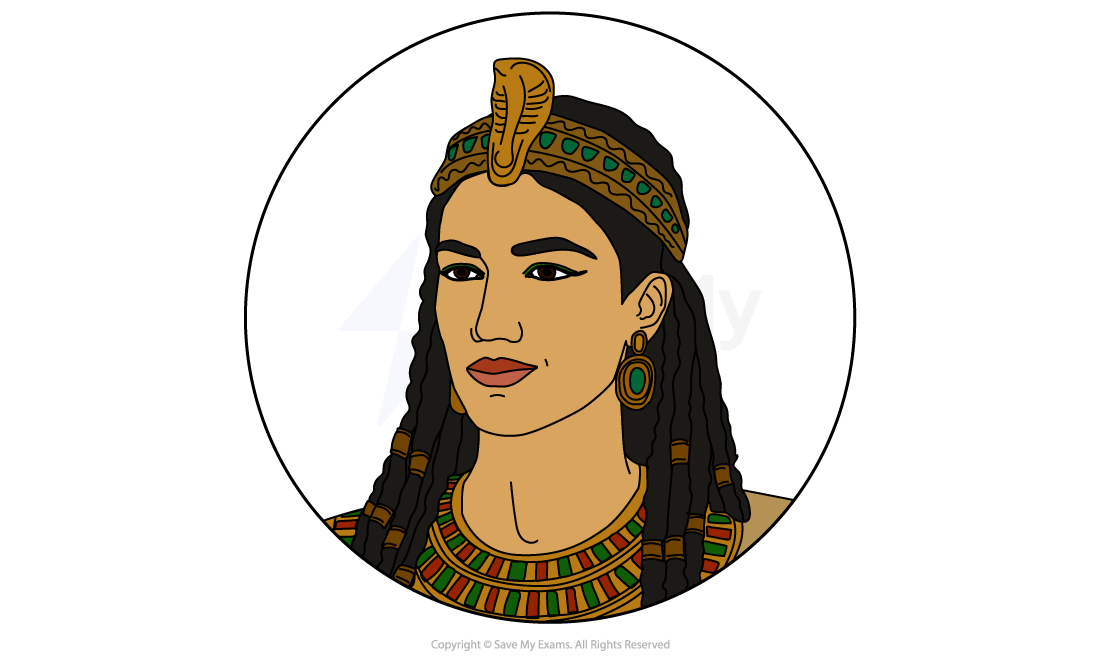
"My salad days,
When I was green in judgement, cold in blood," — Cleopatra, Act 1 Scene 5
Key word or phrase to memorise | What the quotation means | Theme |
|---|---|---|
“My salad days” | This phrase refers to her youth, implying that she was inexperienced and immature, like a young plant (“salad”) and with less passion (“cold in blood”) | Rome versus Egypt |
| ||
"My desolation does begin to make
A better life." — Cleopatra, Act 5 Scene 2
Key word or phrase to memorise | What the quotation means | Theme |
|---|---|---|
“My desolation…a better life” | Cleopatra sees her death as a chance to live longer in legend, and be remembered as a stronger figure in death | Fate and circumstance |
| ||
"The odds is gone,
And there is nothing left remarkable
Beneath the visiting moon." — Cleopatra, Act 4 Scene 15
Key word or phrase to memorise | What the quotation means | Theme |
|---|---|---|
“there is nothing left remarkable” | Cleopatra thinks the world has lost anything remarkable now that Antony has died | Duty versus desire |
| ||
“Antony
Shall be brought drunken forth, and I shall see
Some squeaking Cleopatra boy my greatness
I’th’posture of a whore.” — Cleopatra, Act 5 Scene 2
Key word or phrase to memorise | What the quotation means | Theme |
|---|---|---|
“Some squeaking Cleopatra boy my greatness” | Cleopatra foresees how both her and Antony will be presented in Rome | Rome versus Egypt |
| ||
Mark Antony
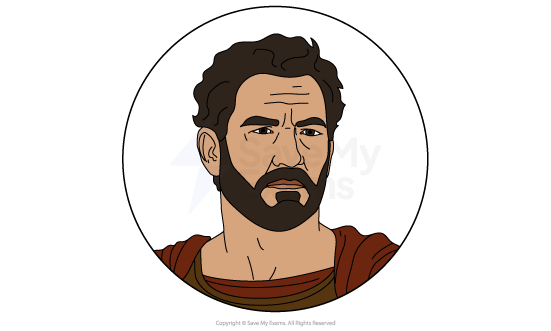
"He hath spoken true. The very dice obey him." — Antony, Act 2, Scene 3
Key word or phrase to memorise | What the quotation means | Theme |
|---|---|---|
“The very dice obey him” | Antony has asked the Soothsayer about the future, and hears bad news, but accepts it as true | Fate and circumstance |
| ||
"Please your thoughts
In feeding them with those my former fortunes
Wherein I lived the greatest prince o’ th’ world!" — Antony, Act 4 Scene 15
Key word or phrase to memorise | What the quotation means | Theme |
|---|---|---|
“I lived the greatest prince o’ th’ world” | On his deathbed, Antony asks to be remembered for his glory in his youth | Duty versus desire |
| ||
"I have lost my way for ever," — Antony, Act 3 Scene 11
Key word or phrase to memorise | What the quotation means | Theme |
|---|---|---|
“I have lost my way for ever” | Antony realises he cannot recover his status, and who he was | Duty versus desire |
| ||
"I found you as a morsel cold upon
Dead Caesar’s trencher." — Antony, Act 3 Scene 13
Key word or phrase to memorise | What the quotation means | Theme |
|---|---|---|
“I found you as a morsel” | Antony claims to have found Cleopatra as a discarded scrap after Caesar’s death | Rome versus Egypt |
| ||
Octavius Caesar
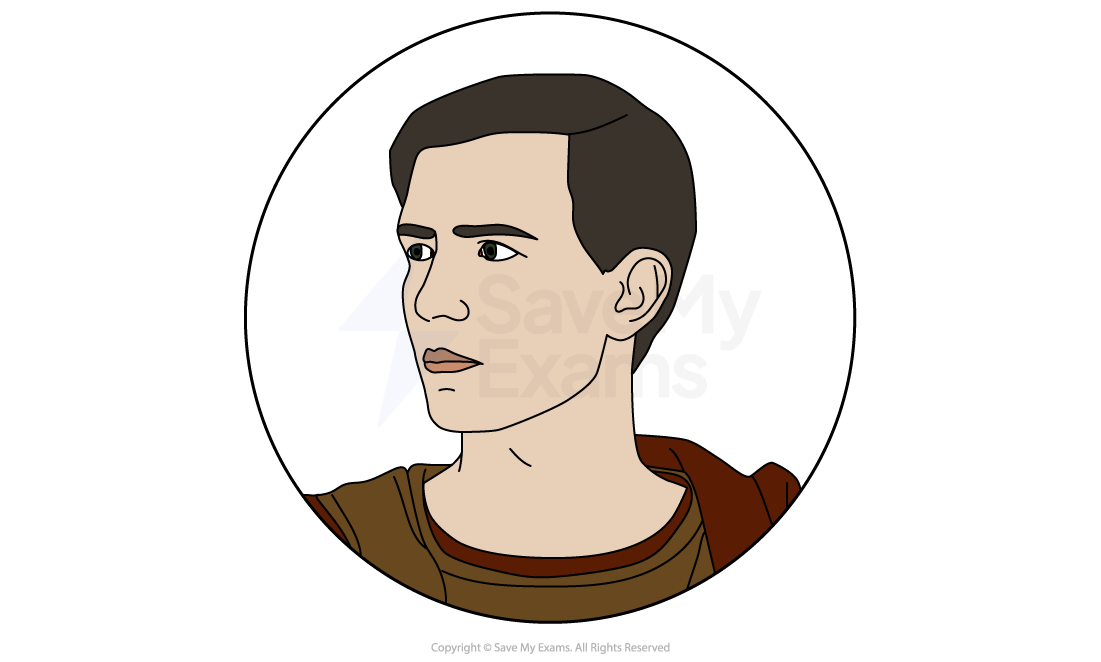
"The breaking of so great a thing should make
A greater crack." — Octavius, Act 5 Scene 1
Key word or phrase to memorise | What the quotation means | Theme |
|---|---|---|
“The breaking of so great a thing” | Caesar thinks the death of a once great man like Antony should have more impact | Fate and circumstance |
| ||
“She shall be buried by her Antony,
No grave upon the earth shall clip in it
A pair so famous.” — Octavius, Act 5 Scene 2
Key word or phrase to memorise | What the quotation means | Theme |
|---|---|---|
“A pair so famous” | Octavius ensures they are buried together, and no grave shall ever match the fame of the pair | Rome versus Egypt |
| ||
Enobarbus
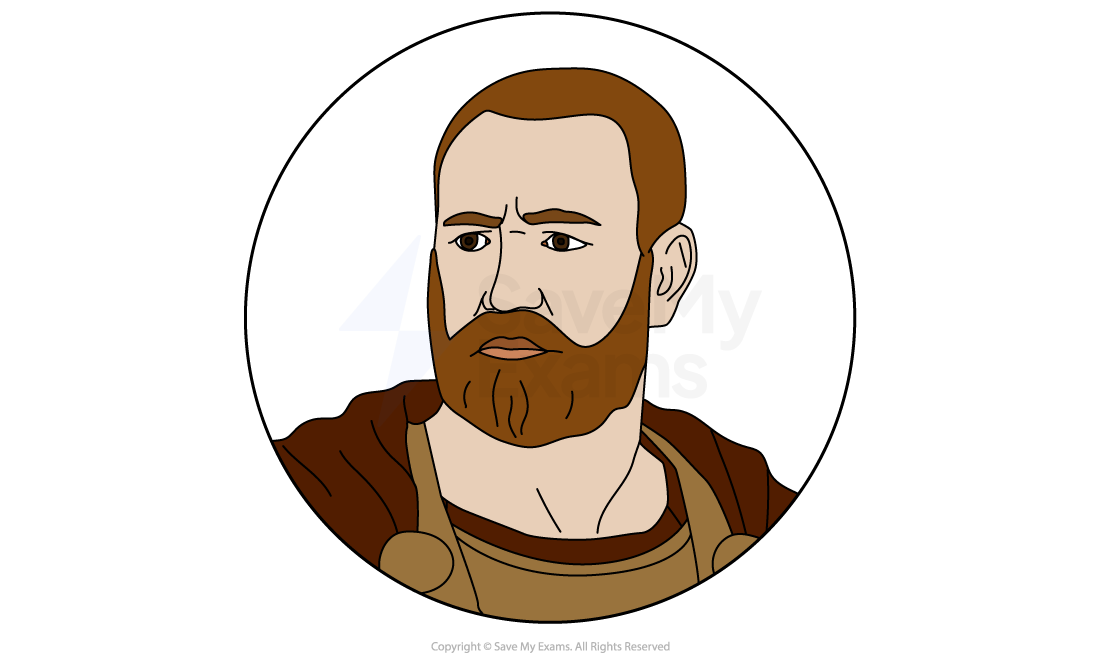
"Age cannot wither her, nor custom stale
Her infinite variety. Other women cloy
The appetites they feed, but she makes hungry
Where most she satisfies.” — Enobarbus, Act 2 Scene 2
Key word or phrase to memorise | What the quotation means | Theme |
|---|---|---|
“Age cannot wither her” | Cleopatra is so beautiful and charming that she cannot be changed or lessened by age or time | Duty versus desire |
| ||
"Men’s judgements are
A parcel of their fortunes, and things outward
Do draw the inward quality after them." — Enobarbus, Act 3 Scene 13
Key word or phrase to memorise | What the quotation means | Theme |
|---|---|---|
“things outward do draw the inward” | Things outside of your control can shape who you are and what you do | Fate and circumstance |
| ||

Unlock more, it's free!
Join the 100,000+ Students that ❤️ Save My Exams
the (exam) results speak for themselves:

Was this revision note helpful?