Antony and Cleopatra: Characters (Cambridge (CIE) IGCSE English Literature): Revision Note
Exam code: 0475 & 0992

The exam question on Antony and Cleopatra may ask you to focus on a particular character or theme. Understanding Shakespeare’s choices in shaping these figures, and the worlds in which they inhabit, will help you produce a convincing analysis and interpretation.
It is important to remember, especially with Shakespeare, that characters can be used to represent ideas, a group of people, or attitudes. The way the characters respond to their environments, the pressures placed upon them, and the language they use raises important questions and allows Shakespeare to explore key themes.
Below you will find character profiles of:
Main characters
Mark Antony
Cleopatra
Octavius Caesar
Other characters
Lepidus
Enobarbus
Pompey
Octavia
Ventidius
Eros
The Soothsayer
Charmian
Main characters
Mark Antony (Antony)
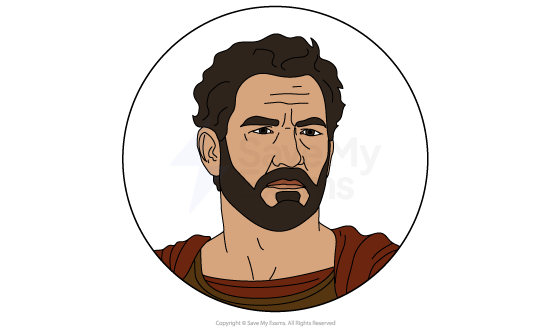
Mark Antony is one third of the triumvirate who share power in Ancient Rome at the time of the play, alongside Octavius and Lepidus:
They are the second triumvirate, having taken power following the assassination of Julius Caesar
He was first depicted by Shakespeare in Julius Caesar, as the heroic Roman general who fought off the assassins Brutus and Cassius
He is presented in this play as a man who has left behind the figure he was in Julius Caesar:
From the start, he is seen to neglect his duties in Rome, including his wife, Fulvia
He has fallen heavily in love with Cleopatra and found his happiness and focus much more taken with the life he lives with her in Egypt:
He often appears under her control, and is mocked outside of Egypt as her toy, and as more woman than man
The pair lead an indulgent life, different to his disciplined time in Rome
To his men, he still remains the great general he was, and is beloved by them:
They serve him with great loyalty to the end
As such, when Enobarbus betrays him, it feels as though his final remaining support has been taken away
Enobarbus regrets his actions afterwards, such is his love for his general
He is a complicated man, torn between the freedom of Egypt and the duty of Rome:
In this play, we see him as a long way from the phenomenal general he was, and his decision-making is flawed:
The mistakes he makes in battle, including a lack of preparation and a casual attitude to letting Cleopatra join the naval fleet, are all blamed on his indulgence of Cleopatra and the indulgent lifestyle in Egypt
His downfall comes as he allows his newfound freedom to affect the battles he is to face:
When Cleopatra flees the naval battle in Actium, he turns and follows:
This shows his priorities
However, he is angered by her retreat, and we see a bit of the old, dominant figure he was
He loses his next battle with Octavius, but dies because he hears of Cleopatra’s death, and resolves to join her in death and kill himself
Shakespeare presents him as a man who is lost to his love for Cleopatra, and by following her to suicide, this becomes true:
However, this does not take away from the love shown between the pair during the play, and their tragic demise is seen as the ultimate act of loyalty to each other
Examiner Tips and Tricks
When revising characters, do not think of them as fixed or one-dimensional. Examiners want to see that you understand how characters change across the play and how their decisions shape the plot and key themes in Antony and Cleopatra.
Try to learn a few key traits for each main character, but also think about their conflicts and contradictions. For example, Antony is both a powerful Roman leader and a passionate lover, and Cleopatra is both a ruler and a romantic partner. Showing these different sides of a character helps you write a more thoughtful and developed response in the exam.
Cleopatra
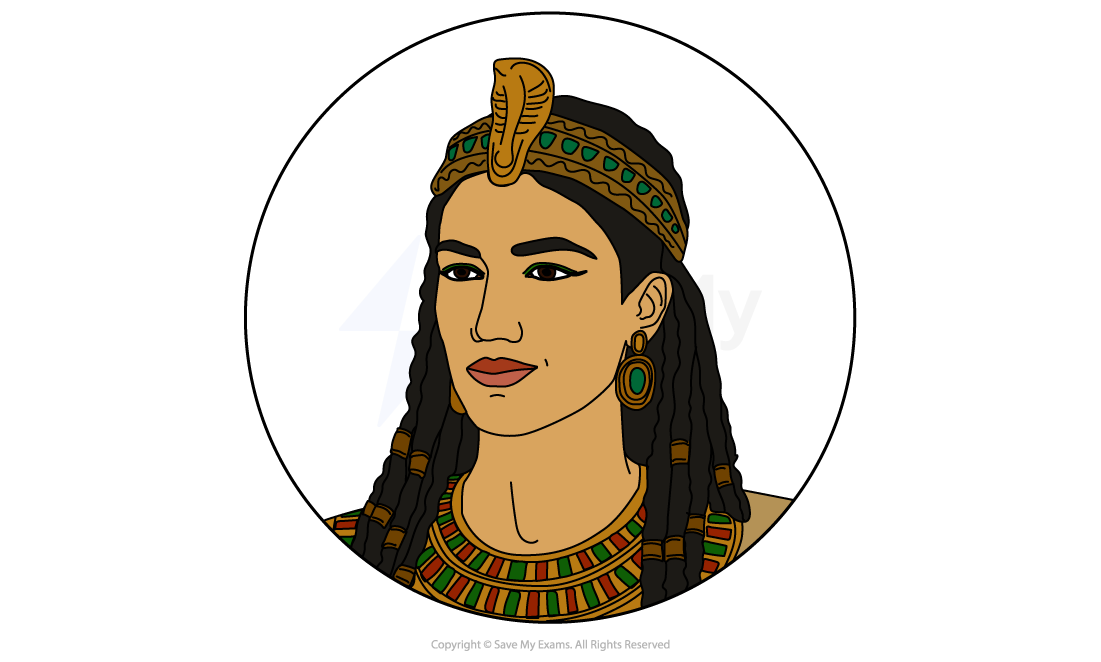
Cleopatra is the Queen of Egypt:
Cleopatra is powerful in both position and character, confident in her position as leader of a Greek dynasty that has ruled for centuries
Cleopatra has fallen for Antony as Antony has fallen for her, but she is seen as the one in control of the relationship:
This relationship is the play’s emotional centre
Her character appears unchanged in the relationship, in contrast to Antony
Cleopatra is dramatic and theatrical, strong and powerful, and is comfortable expressing her sexuality:
Within all this, she can be quite manipulative, and uses Antony’s love for her to her advantage, calling it into question when she wants to get her way
Throughout, she is referred to as beautiful. She is also charming and charismatic.
She does not seem interested in the politics of Rome and the conquests of the Romans:
She appears to have no interest in fighting with Rome for the sake of power or expansion, and does not have the same need to prove herself in battle as the ruling men do
She can be rude and cruel to people like messengers and others of similar reputation
She appears to signify the freedoms of Egypt:
The cynical mockery of her from Rome may have reflected the attitudes of Shakespeare’s audience, dismissive of freer lifestyles
At times she appears naive to the realities of a situation, especially when she insists on being present at the naval battle, only to flee in the face of the brutality
She is later brave, and appears noble as she chooses death over the prospect of mockery in Rome as a symbol of Octavius’ conquest:
She faces her death with resolve, not wavering even when tempted with promises of respect and honour by Octavius
Whilst her love for Antony feels in doubt for much of the play, it is clear by the end that it was true
Octavius Caesar
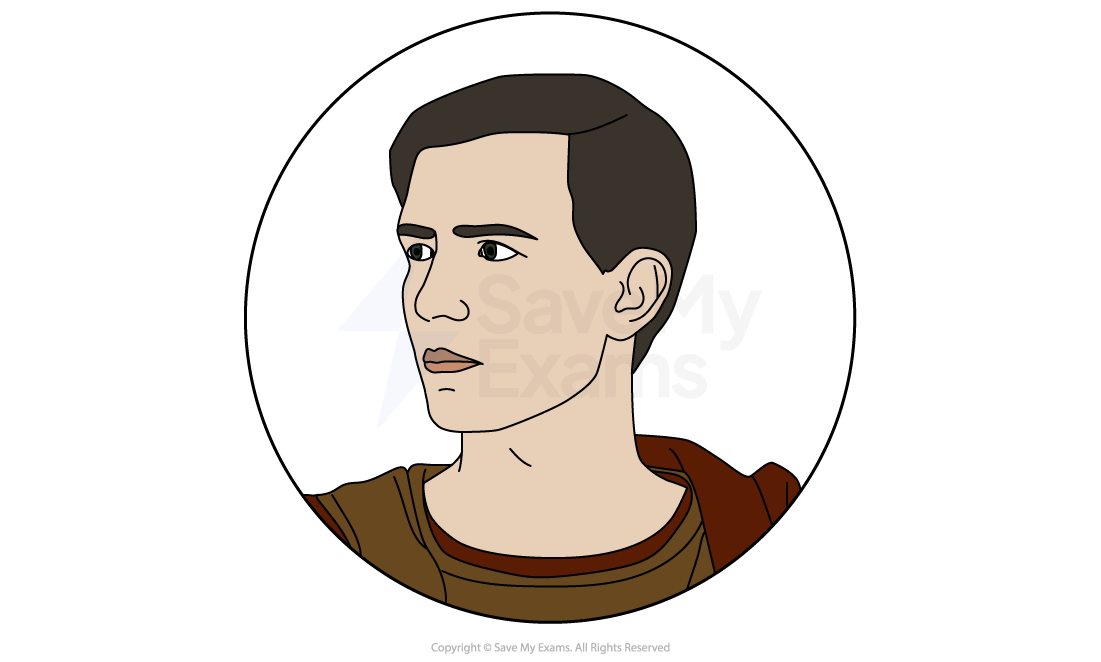
Octavius Caesar is the adoptive son of Julius Caesar and one third of the triumvirate ruling Rome at the start of the play
He is presented as an antagonist (opens in a new tab) but not necessarily evil or wrong, just in opposition to the play’s leads
As Cleopatra represents the change in Antony and the freer lifestyle, Octavius represents how Antony was in Rome:
He is disciplined, strong, powerful, self-restrained and calculating
Octavius is ambitious, moving on quickly from defeating Pompey to cast Lepidus aside and then go for Antony:
This is not malice or a violent nature, but political ambition
He sees himself as the single ruling figure that Rome needs to achieve further greatness
As such, war is a necessary evil, the means to an end rather than his goal itself
Octavius profits from Antony’s distraction:
It is suggested he is not as competent a general as Antony, and his forces are not overwhelming on land
However, he remains focused, whereas Antony no longer takes his military role seriously
Towards the end, we see further evidence of his character as he approaches Antony and Cleopatra in victory:
Whilst he does want to parade Cleopatra in Rome to show off his victory and his power, the respect he has for both in their deaths shows he has a sense of honour
It suggests his desire to parade Cleopatra comes from a belief it will solidify his power, not just a desire for mockery
He orders the pair be buried together, and plans to attend their funerals, showing his respect for honourable opponents
Other characters
M. Aemilius Lepidus (Lepidus)
The weakest of the triumvirate, his character receives none of the attention of either Antony or Octavius:
We learn little about him, and there is never any suggestion that he may come to power
He allies with Octavius over Antony:
This is a mistake, as Octavius disposes of him as quickly as he can once Pompey is beaten
He is not even killed, just quietly pushed aside, not appearing again
His most notable moment is getting very drunk on Pompey’s ship:
He is so drunk that he is physically carried away by servants
This incident is his final act of the play, and he is banished soon after
Domitius Enobarbus (Enobarbus)
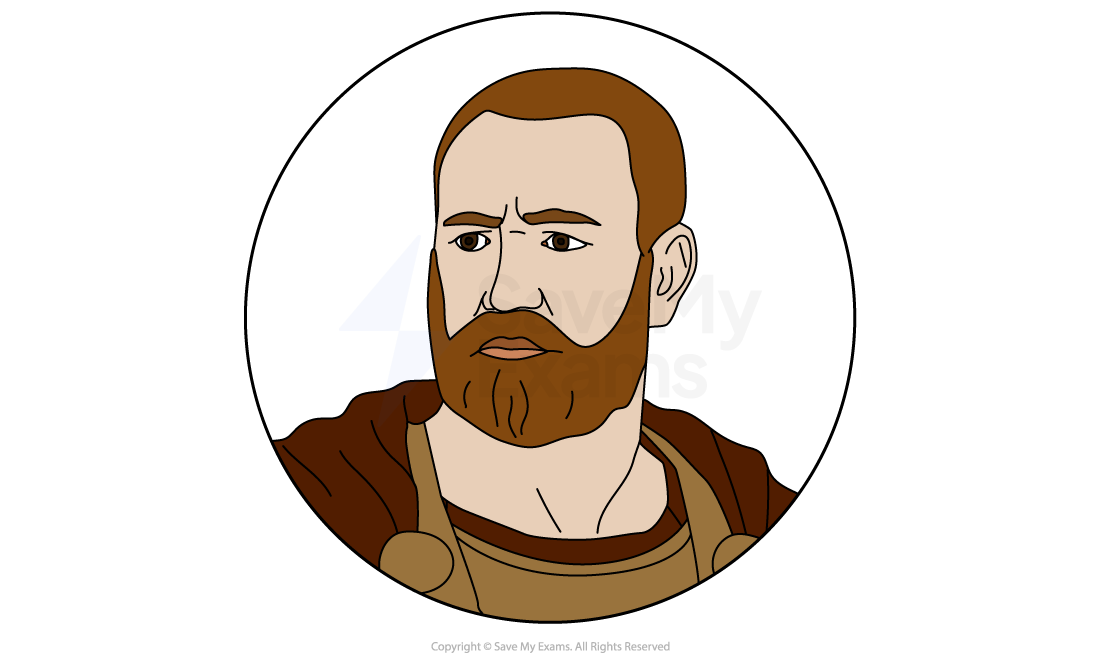
Enobarbus is an officer, a loyal follower of Antony’s, and his most trusted ally
Whilst he is a friend of Antony’s, he grows more and more cynical towards Antony and Cleopatra, their lavish behaviour and relaxed approach to the conflicts coming:
He is often an observer of their conversations and activities, and offers asides that the audience hear, and others in the play do not
He appears to understand that Cleopatra is beautiful and entrancing
He feels comfortable addressing Antony truthfully, but as his trust in him falters, he chooses to leave his friend and join Octavius:
He does this to give himself a chance at survival, prioritising that over his friendship
Ironically, it is this that leads to his demise:
Enobarbus finds that Octavius treats him with little respect, whilst he is shocked and overwhelmed by the kindness of Antony to send his treasures on to him when he leaves
Enobarbus is overcome with grief as he regrets his betrayal of his friend
He dies alone, effectively of a broken spirit at his despair
Sextus Pompeius (Pompey)
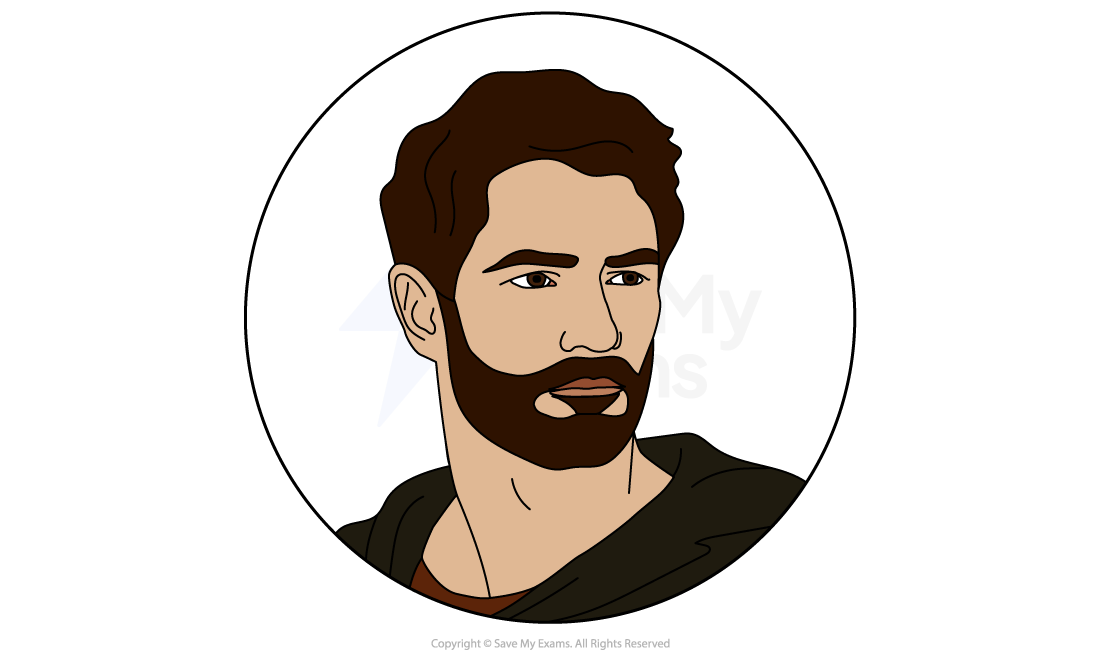
Son of Pompey the Great, the popular Roman general who was part of the first triumvirate, alongside Julius Caesar:
Pompey is the initial threat to the power of the triumvirate
Whilst it appears at one point that the triumvirate has made peace with Pompey, that quickly fails and they go to war:
He is presented with the opportunity to kill all three of the triumvirate when they are aboard his ship making peace, but refuses to do so out of a sense of honour
Pompey is powerful by sea and presents a credible threat:
This threat maintains the alliance of the triumvirate
He is defeated:
Once defeated, this signals the beginning of the end for the triumvirate, who no longer act as allies with no threat keeping them together
Octavia
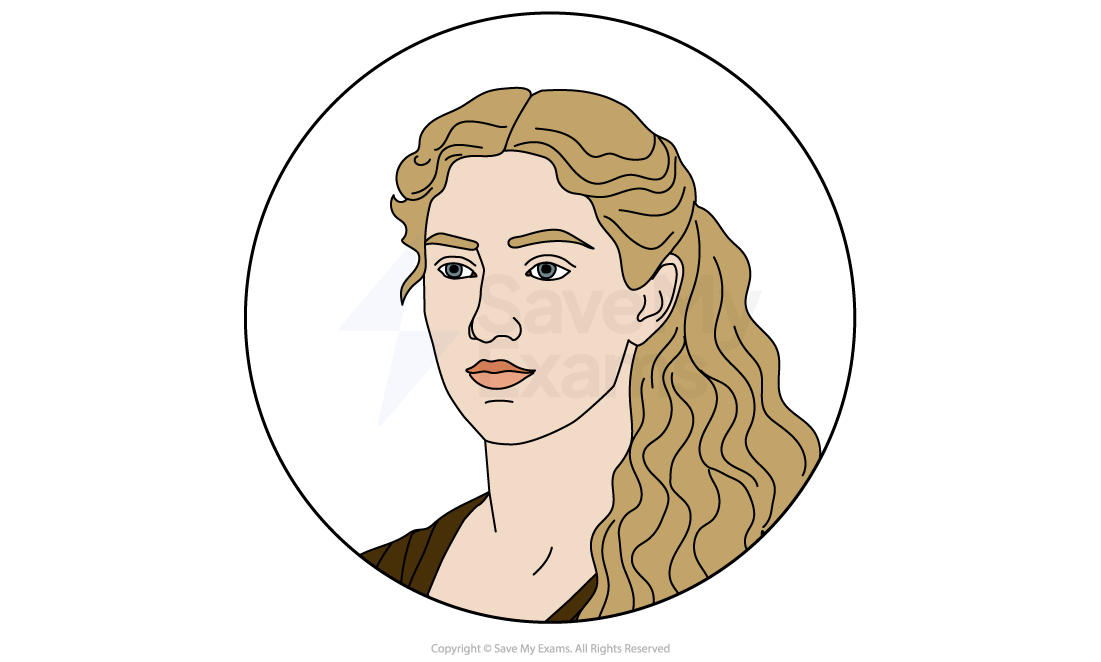
Octavia is Octavius’ sister
She marries Antony after the death of his wife Fulvia:
She appears unaware that this is a marriage of political convenience, and that Antony has no intention of leaving Cleopatra for her
Once Antony and Octavius begin to rival each other, her loyalty is torn between her husband and her brother:
Once she goes to Rome to be with Octavius, she finds out that Antony has left her behind to be with Cleopatra, so she stays with Octavius
She is given very little personality or character, and is as much a prop in the play as she is a prop in the lives of Antony and Octavius
Ventidius
Ventidius does not have a big role, but symbolises the cynical political behaviour of the era:
Ventidius is victorious against the Parthian Empire, a notable enemy of Rome
He is wary of being seen as too successful and making too much of a name for himself:
He believes that this could cause envy or fear from others, and he could be killed or imprisoned to ensure he does not rise further
Eros
An attendant of Antony
Loyal to his leader, to the extent that when Antony asks Eros to kill him after Octavius’ victory, Eros instead kills himself
The Soothsayer
Predicts ill fate for many of the characters, and is proven correct:
Tells Antony that he will lose any contest with Octavius
Predicts that Charmian will outlive Cleopatra, which she does, but only by mere moments in the end
Charmian
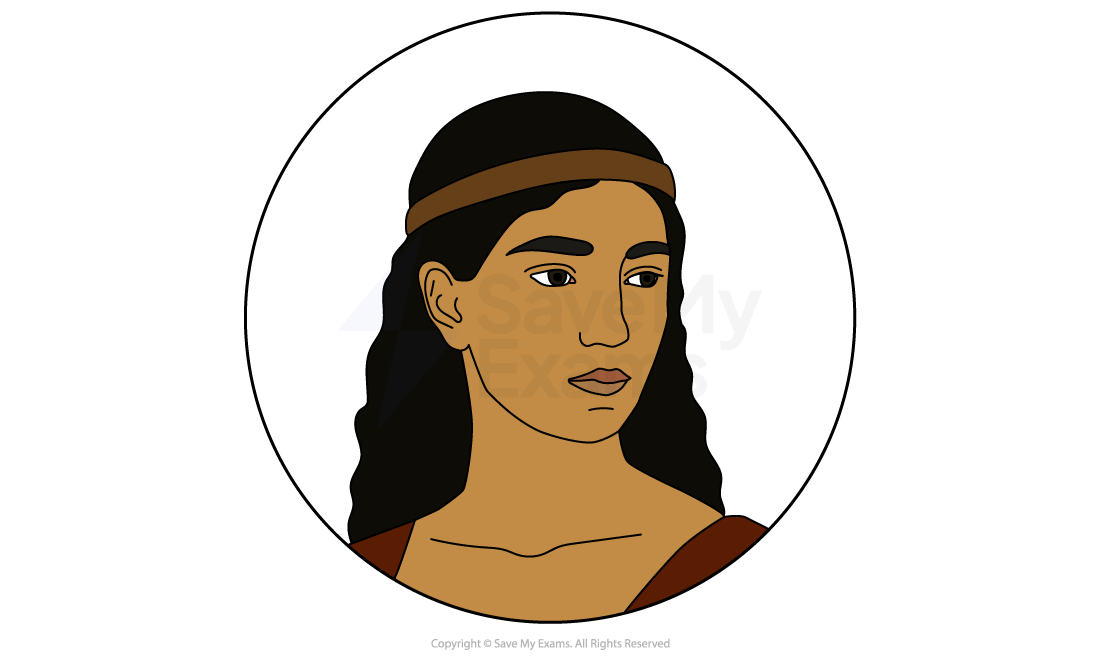
Most notable attendant to Cleopatra, possibly a friend:
Devoted enough that she chooses suicide alongside Cleopatra
Her last words are direct from Plutarch, the source for much of Shakespeare’s historical writing
Source
Shakespeare, W., Munday, A., Fletcher, J., Middleton, T., Heywood, T., Peele, G., Dekker, T., Wilkins, G., & Chettle, H. (2005). The Oxford Shakespeare: The Complete Works (Second Edition). In Oxford University Press eBooks. https://doi.org/10.1093/actrade/9780199267170.book.1 (opens in a new tab)

Unlock more, it's free!
Join the 100,000+ Students that ❤️ Save My Exams
the (exam) results speak for themselves:

Was this revision note helpful?