Blues for an Alabama Sky: Character Quotations (Cambridge (CIE) IGCSE English Literature): Revision Note

Exam code: 0475 & 0992

Chris Wilkerson

Written by: Chris Wilkerson

Reviewed by: Nick Redgrove

Updated on

In your exam, you will be expected to answer questions about themes and characters. Using quotations from the text to support your answers, and understanding the context of these quotes, will help you produce more insightful, higher-level responses.

If you can recall quotes connected to the play’s themes, it becomes easier to analyse how characters are represented and how they develop. Below, we will look at some significant quotations from the following key characters:

  • Guy

  • Angel

  • Delia

  • Sam

  • Leland

Guy

“So are we all! Tawdry and tainted and running for our natural lives!” — Act 2, Scene 5
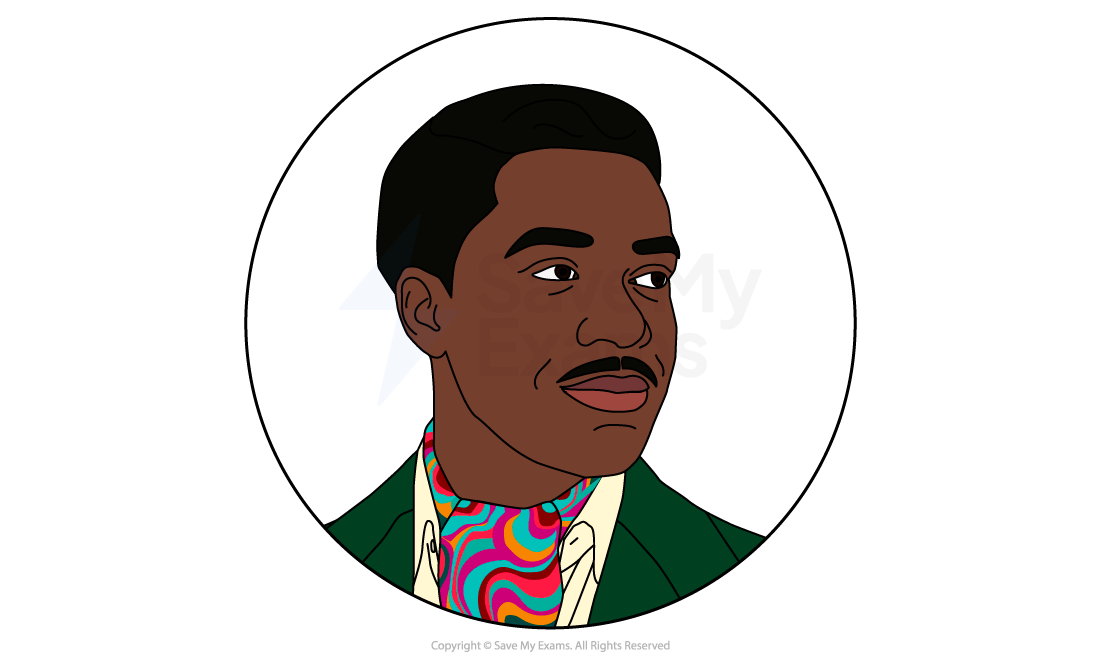
Key word or phrase to memorise:

What the quotation means:

Theme:

“Tawdry and tainted”

Delia is worried about the gossiping after Sam’s murder, but Guy does not care what others think.

Identity

  • Throughout the play, Guy seems to care little for what those outside of his group think of him

  • To him, the gossiping around this news is unimportant and does not define who they are

  • Delia does not want to be considered tawdry, whereas Guy embraces it:

    • For Guy, the conservative view that they are tawdry and tainted is almost a compliment

    • He wants to live his life how he wants to live it, and values that freedom for himself and his friends

  • However, the idea of them “running” relates to how they are always hanging on and trying to survive:

    • They are always running from hardship towards hopes and dreams

    • Guy is a dreamer, and this struggle is all part of the journey to the dream he truly believes he will achieve

“For prospects you gotta look past 125th Street. No law say we gotta live and die in Harlem” — Act 1, Scene 3

Key word or phrase to memorise:

What the quotation means:

Theme:

“Look past 125th Street”

Guy is trying to get Angel to look beyond life in Harlem, where their focus is often stuck.

Decline of the Harlem Renaissance

  • Guy is highlighting how insular he believes many of those in Harlem are:

    • Harlem is not Guy’s entire world, and he is reminding the others of that

    • Guy feels that many in Harlem stay stuck in bad situations even though there are other places

    • He is questioning others’ lack of ambition, especially as a man who is quite a dreamer

  • Guy can be seen as the only character in the play whose focus is not entirely on Harlem:

    • He seems to remain sane by keeping his dreams of Paris in mind and working towards them

Angel

“What kind of dreams am I gonna have, huh? No man. No job” — Act 1, Scene 1

Key word or phrase to memorise:

What the quotation means:

Theme:

“No man. No job”

Angel does not want to sleep as she can’t see a future without a man in her life.

Identity

  • Angel sees no future for herself now that she has lost her partner:

    • This is a very early example of how she ties her identity to men and romantic pursuits

  • She is dramatic, and being single seems to be a devastating failure to her

  • This shows us from the start that Angel has limited independence and relies on others:

    • This sets us up for the drama of the play around Leland

    • That she immediately ties herself to him and is willing to jump into a marriage makes sense when you see how she sees not being attached to a man as failure

“I’m gonna hitch my star to somebody a little closer to home” — Act 1, Scene 3

Key word or phrase to memorise:

What the quotation means:

Theme:

“Hitch my star”

Leland has come into her life and Angel is ready to abandon Guy to be guided by Leland.

Dreams and escapism

  • This represents perhaps Angel’s main ambition in life: to find a man who will take care of her

  • She barely knows Leland, but immediately plans to move away from Guy:

    • Even though Guy will look after her, she sees no worth in it because there is no romantic aspect to their relationship

  • She doesn’t speak about Leland with romance here — it is transactional:

    • This shows how she views him as a means to an end

    • She doesn’t want to fall in love, necessarily, she wants security

  • In her desperation for stability, she shows here that she has misunderstood Leland:

    • She assumes he is a meek and gentle religious man

  • This is also another clear example of her lack of agency:

    • She’s hitching on to Leland after hitching on to Guy

    • It’s almost as if no decisions of her own are really made, that she just follows 

Delia

“A woman shouldn’t have to make a baby every time she makes love!” — Act 1, Scene 3
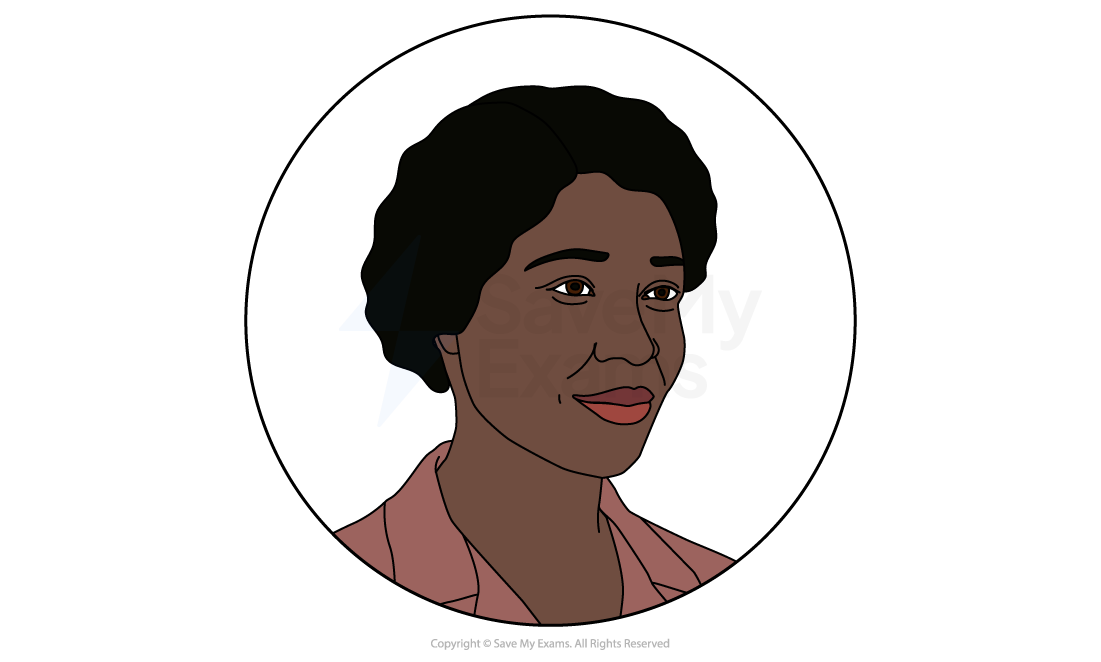
Key word or phrase to memorise:

What the quotation means:

Theme:

“A woman shouldn’t have to”

Delia is frustrated at the idea a woman’s clinic should be dictated by men.

Decline of the Harlem Renaissance

  • When getting ready to present her idea to the church committee, Sam plays devil’s advocate and brings up the possible position the committee might take:

    • Delia isn’t prepared for this challenge and is easily annoyed, showing her passion

  • Delia is very passionate about the clinic and it drives her character throughout the play:

    • Her narrative is largely based around the clinic

    • Early on, she’s trying to get the clinic off the ground, then she grows closer with Sam through it, and finally she leaves after Sam is killed performing an abortion

  • She is a sweet and quiet woman, at least compared to her three friends, but grows bolder when inflamed like this

“Sam was wonderful. He convinced everybody…” — Act 1, Scene 4

Key word or phrase to memorise:

What the quotation means:

Theme:

“He convinced everybody”

Sam went with Delia to the church meeting and they got the go ahead for the clinic.

Identity

  • This highlights the quieter, more agreeable side of Delia’s personality:

    • Her lack of confidence shines through as she gives Sam the credit, even though the work was hers

    • Sam quickly gives her the credit

  • While passionate, Delia isn’t comfortable with the attention and spotlight:

    • The fact she spoke in front of a committee highlights how strongly she believes in this idea and cause

    • She is willing to step outside of her comfort zone for what she believes is right

  • She is also growing romantic feelings for Sam, and this moment shows her being very charmed:

    • She loves that he genuinely cares and goes above and beyond to help her

Sam

“Because you’re right. Everybody’s got to kill their own snakes” — Act 2, Scene 3
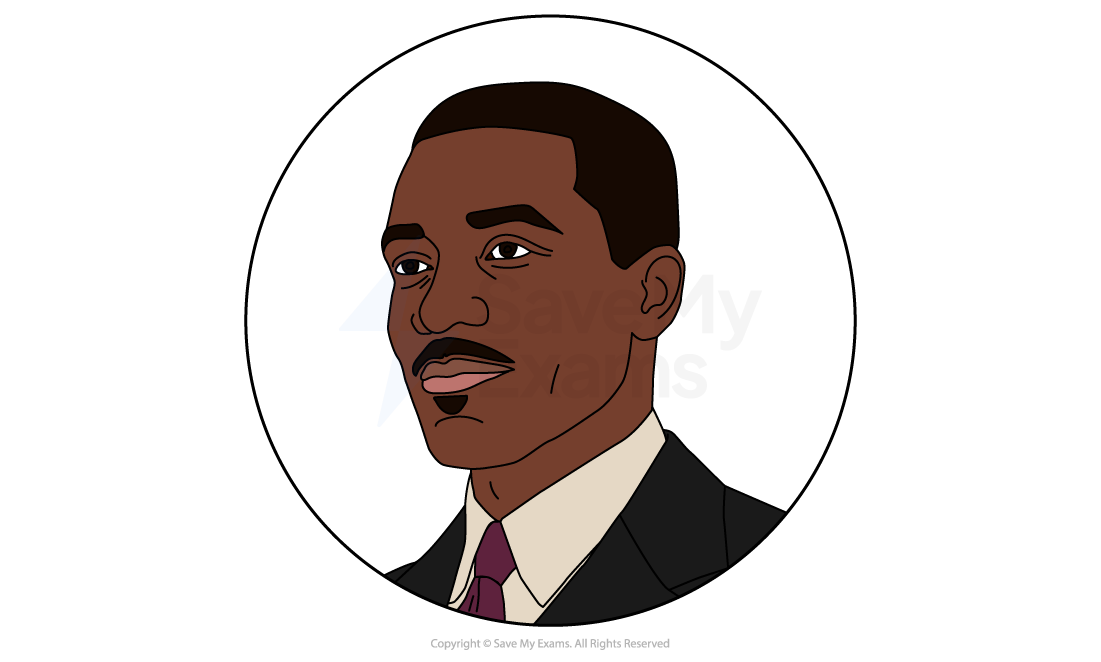
Key word or phrase to memorise:

What the quotation means:

Theme:

“Their own snakes”

Angel has to make her own decisions, and Sam says he can’t dictate them.

Decline of the Harlem Renaissance

  • Sam does not want to give Angel the abortion, but soon changes his mind:

    • It seems he thinks the circumstances and the dishonesty of keeping the abortion from Leland are not right

    • However, he believes in a woman’s bodily autonomy, and puts aside his concerns to do what he thinks is right

  • Sam is smart, calm, and wise:

    • He never pushes Angel one way, and while he initially disagrees, he listens and considers her point of view

    • His composure allows him to think on the spot and process the dilemma

  • The poetic turn of phrase is also a sign of his intelligence

  • He is somewhat of a mentor to all three, and shows he can be trusted

“Because it helps me remember that we’re not just a bunch of premature labors and gunshot wounds” — Act 1, Scene 3

Key word or phrase to memorise:

What the quotation means:

Theme:

“We’re not just a bunch of”

Sam is overwhelmed by his work at the hospital, especially in these times, and needs to get out and have fun to relieve that pressure.

Identity

  • Sam wants to be more than just a doctor, and does not want the weight of the world to pull him down:

    • Delia thinks he should sleep more, but Sam would rather have some fun

  • Even as a doctor who is a bit older than the others, Sam embraces the vibrant cultural side of Harlem

  • Sam is keenly involved and aware of all sides of Harlem:

    • He sees the struggles, he fights for women’s rights, but is also a bit of a socialite

    • He also knows that Harlem could, right now at least, wear him down as he has seen others worn down

  • This is Sam at his core:

    • He understands the people in the area, he works hard for them, he lives his life, and he tires himself out to be the man he wants to be and the man the community needs him to be

Leland

“I knew somebody... [A beat.] You look a lot like somebody I used to know back home” — Act 1, Scene 4

Key word or phrase to memorise:

What the quotation means:

Theme:

“I knew somebody”

Leland sees Angel and thinks he sees his ex-wife.

Identity

  • Leland’s life has been devastated by the death of his wife and child:

    • He has now moved from the South to Harlem, and feels completely lost in this very different place

    • Seeing Angel, he sees a chance to get his old life back

  • Leland views women in a very traditional way, and it is no surprise that he would view Angel as someone who could slot in and replace his wife:

    • This shows his lack of interest in the individualism of women

  • His desire to settle back down and get the life he wants, and thinks he should have, means he is happy to just push Angel into the role of doting wife

“You let Dr. Thomas take my son?” — Act 2, Scene 4

Key word or phrase to memorise:

What the quotation means:

Theme:

“My son”

Leland is angered by the abortion, but seems to quickly apportion blame to a man, rather than Angel.

Identity

  • The fury inside Leland starts to come out:

    • Angel thinks he is a mild Christian man, but his righteousness, and his hurt, mean he can justify his anger

  • He sees both Angel and Sam as wrong, and they have taken something from him:

    • He believes that the child wasn’t theirs, it was his

    • He shows little concern for Angel

  • Leland wants his old life back, and his son died with his wife:

    • Here, he sees a chance to get some of that back, but then finds he has lost another child

  • Leland also thinks abortion is a sin, and Sam is a sinner for performing the abortion

  • This is also another sign of his traditional views:

    • Sam is the one who takes the blame because, to him, women have little control or autonomy

Sources

Cleage, P. (1999), Blues for an Alabama Sky (Dramatists Play Service Inc.)

Unlock more, it's free!

Join the 100,000+ Students that ❤️ Save My Exams

the (exam) results speak for themselves:

Chris Wilkerson

Author: Chris Wilkerson

Expertise: English Content Creator

Chris is a graduate in Journalism, and also has Qualified Teacher Status through the Cambridge Teaching Schools Network, as well as a PGCE. Before starting his teaching career, Chris worked as a freelance sports journalist, working in print and on radio and podcasts. After deciding to move into education, Chris worked in the English department of his local secondary school, leading on interventions for the most able students. Chris spent two years teaching full-time, later moving into supply teaching, which he has done at both primary and secondary age. Most recently, Chris created content for an online education platform, alongside his other work tutoring and freelance writing, where he specialises in education and sport.

Nick Redgrove

Reviewer: Nick Redgrove

Expertise: English Content Creator

Nick is a graduate of the University of Cambridge and King’s College London. He started his career in journalism and publishing, working as an editor on a political magazine and a number of books, before training as an English teacher. After nearly 10 years working in London schools, where he held leadership positions in English departments and within a Sixth Form, he moved on to become an examiner and education consultant. With more than a decade of experience as a tutor, Nick specialises in English, but has also taught Politics, Classical Civilisation and Religious Studies.