Figure 6.1 shows water hyacinth plants in a river ecosystem.
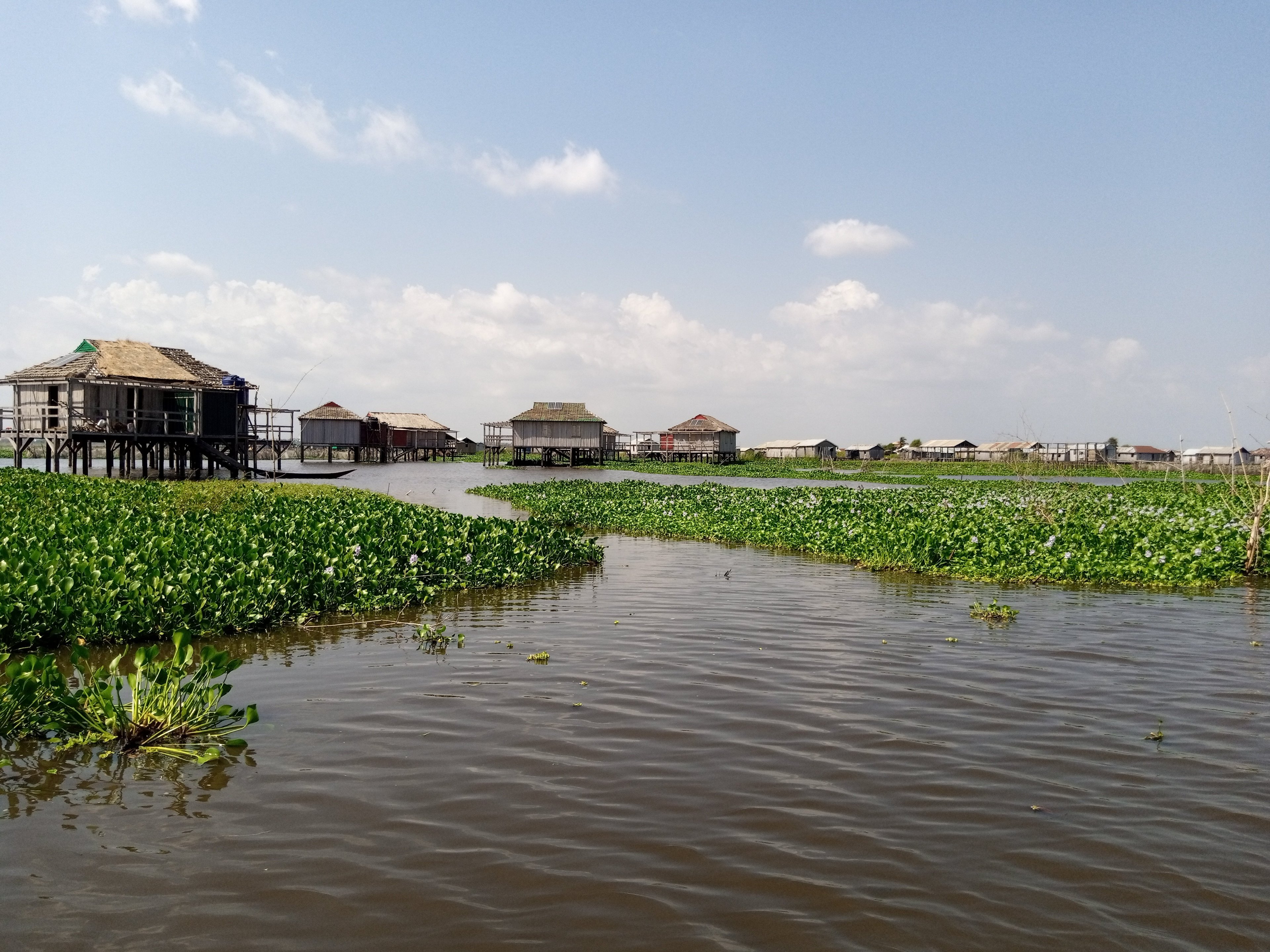
Water hyacinth plants reduce the growth of other aquatic plants by competition.
Suggest two ways water hyacinth plants compete with other aquatic plants.
Was this exam question helpful?
Exam code: 0680
Figure 6.1 shows water hyacinth plants in a river ecosystem.

Water hyacinth plants reduce the growth of other aquatic plants by competition.
Suggest two ways water hyacinth plants compete with other aquatic plants.
How did you do?
Was this exam question helpful?
Figure 6.1 shows water hyacinth plants in a river ecosystem.

Water hyacinth plants are not native to this river ecosystem.
State the term for an organism living in an ecosystem they are not native to.
How did you do?
Was this exam question helpful?
Water hyacinth plants produce flowers above the surface of the water. These flowers are pollinated by two different methods.
Suggest two ways that water hyacinth flowers are pollinated.
How did you do?
Was this exam question helpful?
Complete the sentences about the events that occur in a flower after pollination.
After pollination, the flower is ..........
This allows the formation of fruits and ..........
How did you do?
Was this exam question helpful?
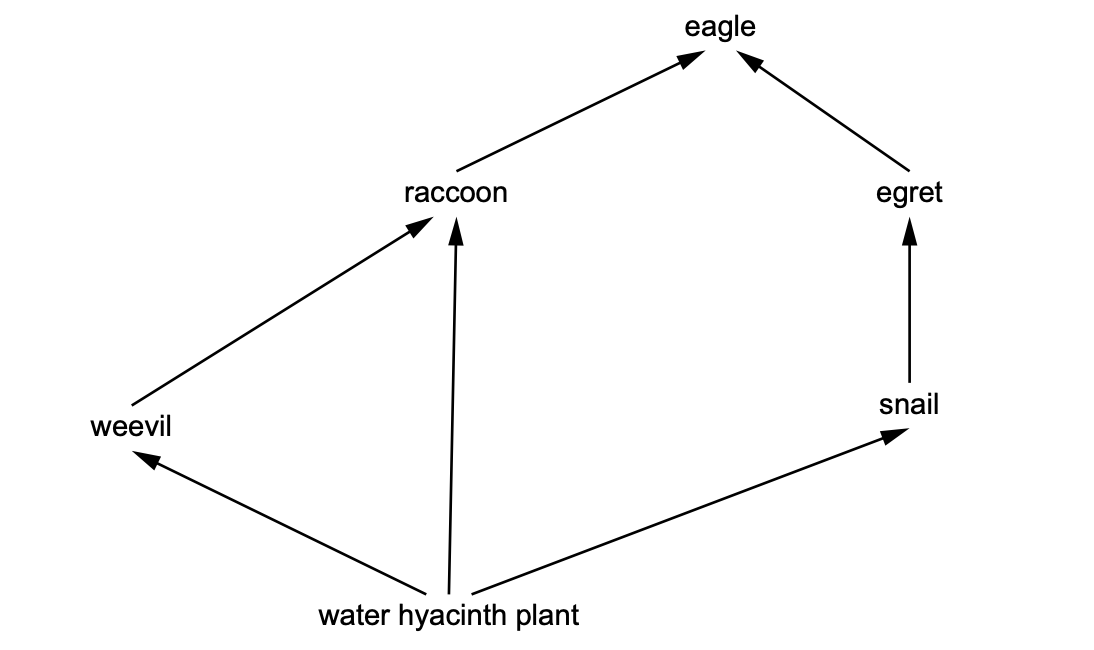
Figure 6.2 shows a food web containing water hyacinth plants.

Use Figure 6.2 to identify:
all the primary consumers
the organism that only feeds as a secondary consumer
the organism that feeds at trophic levels two and three
How did you do?
Was this exam question helpful?
The snails contain 100 units of energy.

Complete Figure 6.3 to show the units of energy in the food chain.
How did you do?
Was this exam question helpful?
Giant African land snails are an invasive species in Florida.
Suggest two other reasons why scientists are concerned about the populations of giant African land snails in Florida.
How did you do?
Was this exam question helpful?
