Role of social media (DP IB History: SL): Revision Note

Summary
Social media challenged state authority by bypassing censorship and enabling independent communication
It exposed police violence and government repression, undermining regime legitimacy
It allowed rapid organisation and coordination of protests across different regions
It spread information internationally, increasing external pressure on the regime
However, it amplified existing grievances rather than acting as the primary cause of protest
Organisation and documentation of protest
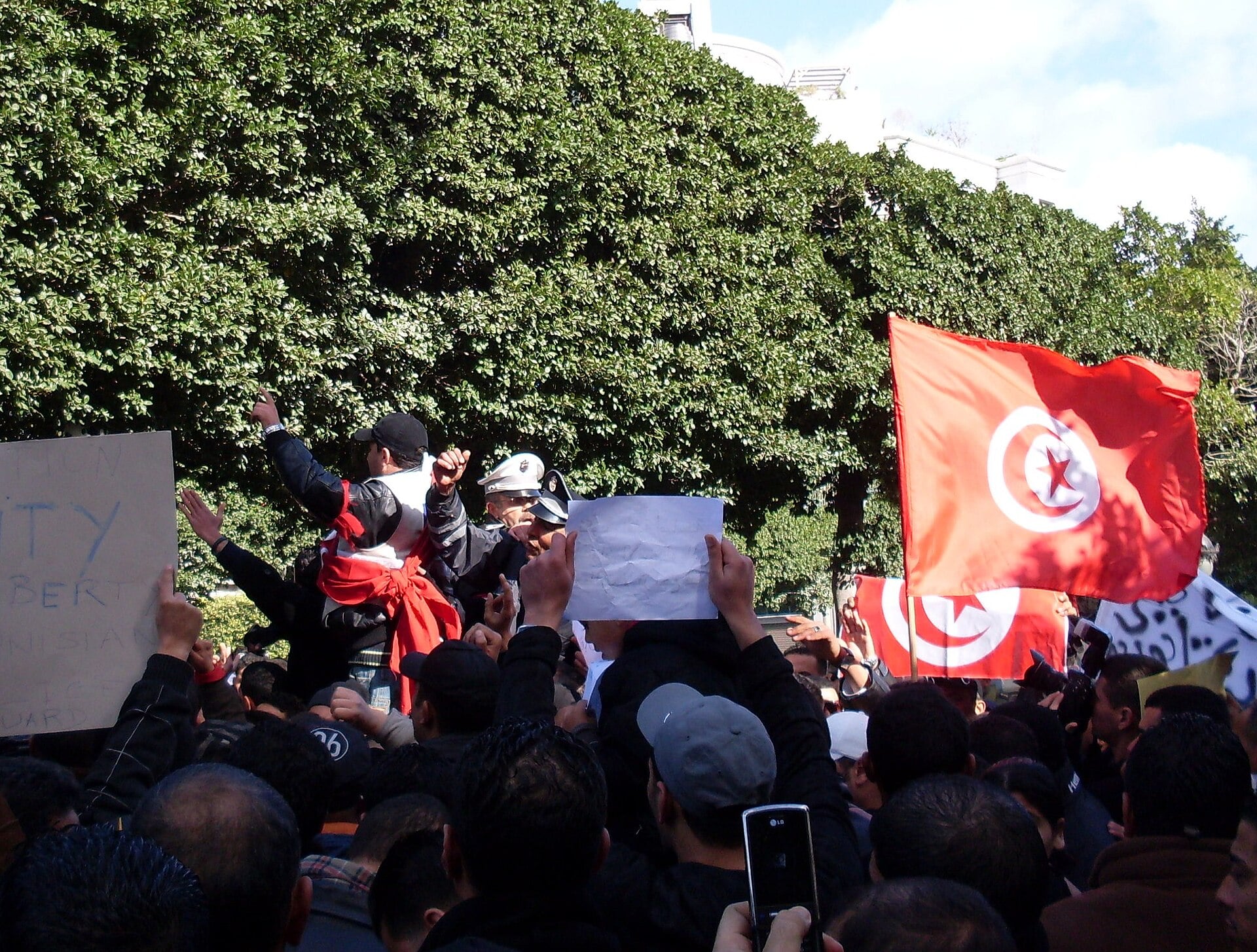
Activists used Facebook, Twitter, and YouTube and other social media platforms to organise demonstrations, share protest locations, and coordinate action across different regions
Tunisia had approximately 2 million Facebook users by 2010, making it one of the most connected countries in North Africa
This enabled rapid mobilisation, particularly among young and educated groups
Online networks played a key role in spreading information about protests in Sidi Bouzid
These protests then quickly spread to Kasserine, Thala, and eventually Tunis
Social media was also used to document events
Protesters recorded videos and images of demonstrations and police violence
Footage of security forces using live ammunition against protesters in Kasserine in January 2011 was widely circulated, increasing public awareness and outrage
Social media directly challenged the regime’s control over information and its ability to suppress dissent
International awareness and pressure
Social media enabled the rapid spread of information beyond Tunisia
It allowed protest footage and reports to reach international audiences and increase global awareness of events
Citizen journalism played a key role
Ordinary individuals shared videos and updates online
This bypassed state-controlled media, ensuring that repression could not be hidden
Satellite channels such as Al Jazeera used this content to broadcast protests and police violence internationally, amplifying their impact
This coverage increased pressure on the regime from international organisations, including:
The European Union
The United Nations
Amnesty International
It also received backlash from Western governments, including the US, which criticised the use of violence against protesters
The release of diplomatic cables by WikiLeaks in 2010 exposed corruption within the ruling elite, particularly the Trabelsi family
This further damaged the regime’s credibility
The combination of internal protest and external scrutiny undermined the legitimacy of the government and contributed to its weakening authority
Evaluation: “Facebook revolution” debate
Some commentators describe Tunisia as a “Facebook Revolution”, emphasising the role of social media in organising protests and spreading information
Historians, including Philip N. Howard and Muzammil M. Hussain argue that social media played a key role in accelerating protests by enabling rapid communication, coordination, and the spread of information
However, historians such as Asef Bayat emphasise that structural factors, including unemployment, inequality, and repression, were the primary causes of the revolution
Evidence for this includes earlier unrest, such as the Gafsa mining basin protests, which occurred before the widespread use of social media
Historians such as Marc Lynch highlight that social media functioned as part of a broader communication ecosystem, including satellite media such as Al Jazeera, rather than acting independently
Social media should therefore be understood as a tool that amplified and accelerated protest by spreading information and reducing fear, rather than creating the underlying conditions for revolution

Unlock more, it's free!
Join the 100,000+ Students that ❤️ Save My Exams
the (exam) results speak for themselves:

Was this revision note helpful?
