Social changes (DP IB History: SL): Revision Note

Summary
The revolution led to increased freedom of expression, media, and civil society participation
Greater public engagement and activism emerged, particularly among youth and professional groups
Legal protections for rights, including gender equality, were strengthened
However, social change was uneven, with continued inequality, unemployment, and public dissatisfaction
Overall, social freedoms expanded significantly, but everyday conditions for many Tunisians improved only slowly
Expansion of civil liberties
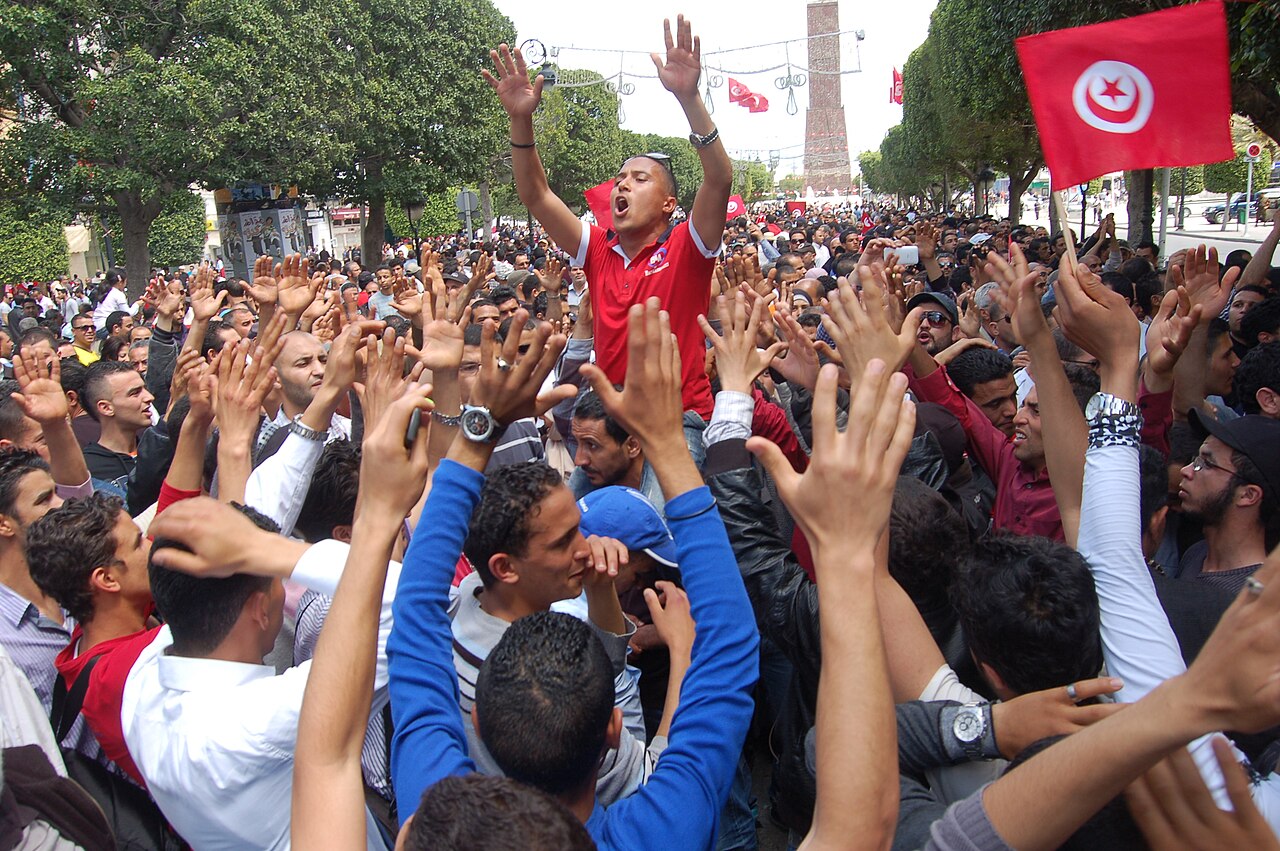
The fall of Ben Ali in January 2011 led to a significant expansion of civil liberties, particularly freedom of expression, association, and assembly
Strict censorship laws were removed, allowing journalists, activists, and ordinary citizens to express political views openly
Independent media outlets, including previously banned organisations such as Radio Kalima, were able to operate freely
Protests, strikes, and demonstrations became legal and more common
This reflected a shift toward a participatory political culture
Some restrictions remained, particularly during periods of security concern after 2015
Due to the terrorist attacks in 2015, including the Bardo Museum (March) and Sousse beach (June), the government introduced a state of emergency, which allowed greater control over society
Case Study
Bardo Museum attack (18th March 2015)
Gunmen linked to Islamist extremist groups, attacked the Bardo National Museum in Tunis
22 people were killed, mainly foreign tourists, along with a Tunisian police officer
The attack targeted Tunisia’s tourism industry and highlighted growing security threats after the revolution
It increased pressure on the government to strengthen counterterrorism and security measures
Sousse Beach attack (26th June 2015)
A gunman attacked tourists at a beach resort near Sousse
38 people were killed, most of them foreign tourists, particularly British nationals
The attack severely damaged Tunisia’s tourism sector, an important source of income and employment
It led to a state of emergency and the expansion of state security powers
Growth of civil society
Civil society expanded significantly after 2011
Organisations such as the UGTT, the Tunisian Human Rights League, and UTICA played key roles in political and social life
Civil society became a key force in holding governments accountable by:
Organising protests and strikes
Monitoring elections
Advocating for legal and political reform
The role of the National Dialogue Quartet during the 2013 crisis demonstrated the strength of non-state actors
It mediated between political parties and helped prevent conflict
The Quartet’s success in facilitating the 2014 constitution and peaceful political transition highlighted the shift from authoritarian control to negotiated political authority
Historiography
Safwan MasriTunisia: An Arab Anomaly (2017)
Tunisia experienced genuine social transformation after 2011 through increased freedoms, stronger civil society, and democratic participation. He argues Tunisia became the most successful social and political transition of the Arab Spring.
Increased political participation and activism
Public participation in politics increased significantly after 2011, particularly in the early stages of the transition
Voter turnout in the October 2011 elections reached approximately 52%
This reflected people's enthusiasm for democratic change
Youth and professional groups, including lawyers and students, played a key role in protests and political engagement
Social media remained an important tool for activism and mobilisation
However, participation declined in later years due to frustration with slow progress and economic challenges
Limits of social change
Despite increased freedoms, many underlying social problems remained unresolved, particularly unemployment and regional inequality
Interior regions such as Sidi Bouzid and Kasserine continued to experience high levels of poverty and limited access to services
Youth unemployment remained high, contributing to frustration and disillusionment
Many Tunisians felt that the revolution had improved political freedoms but not economic conditions
Continued economic hardship and political instability reduced trust in government and democratic institutions
Protests and strikes continued after 2011, indicating ongoing dissatisfaction
Social change was therefore significant in terms of rights and freedoms, but limited in terms of material conditions

Unlock more, it's free!
Join the 100,000+ Students that ❤️ Save My Exams
the (exam) results speak for themselves:

Was this revision note helpful?
