Debates About Individual and Collective Rights (DP IB Global Politics: SL): Revision Note

The case for prioritising individual rights
Individual rights impact a single person’s quality of life
They include:
life, liberty and personal security
the right to a fair trial
the right to education
The UN’s Universal Declaration of Human Rights and many NGOs and activists prioritise individual rights
A longstanding Western philosophical tradition places individuals rather than groups at the centre of any discussion about rights
Legal frameworks in any society focus on individuals, not groups of individuals
Focusing on the individual better insures that marginalised and vulnerable people are included
Individual rights give power to the people, but collective rights can allow the dominant group to retain power
The case for prioritising collective rights
Collective rights are rights that focus on the rights of the wider community
Although there are collective rights in the Universal Declaration of Human Rights (UDHR), more individual rights are included
Collective rights include:
the right to safe working conditions and fair wages
the right to social order and stability
the right to preserve cultural traditions
environmental rights
Cultural relativists argue that the rights of the community are prioritised over the rights of the individual in many cultures because social order benefits all of society, not just individuals
In China, Confucianism emphasises the duty of the individual to the community, not the rights of the individual
In South Africa, Ubuntu emphasises the interconnectedness and interdependence of people in communities rather than individualism
Many of today's pressing political issues require a prioritisation of collective rights
Marginalised and vulnerable groups are better served by prioritising rights which best suit the needs of their community
Feminism argues that women’s rights as a group must be prioritised to bring equality and equity
Communism argues that workers' rights must be prioritised to bring social stability and fairer distribution of wealth
The collective right to live in a safe and sustainable society is now more significant that ever due to climate change
Case Study
China’s COVID-19 response and collective rights
China’s response to the COVID-19 pandemic (2020–2022) demonstrates how some states prioritise collective rights over individual rights
The government focused on protecting public health and social stability, even when this limited personal freedoms
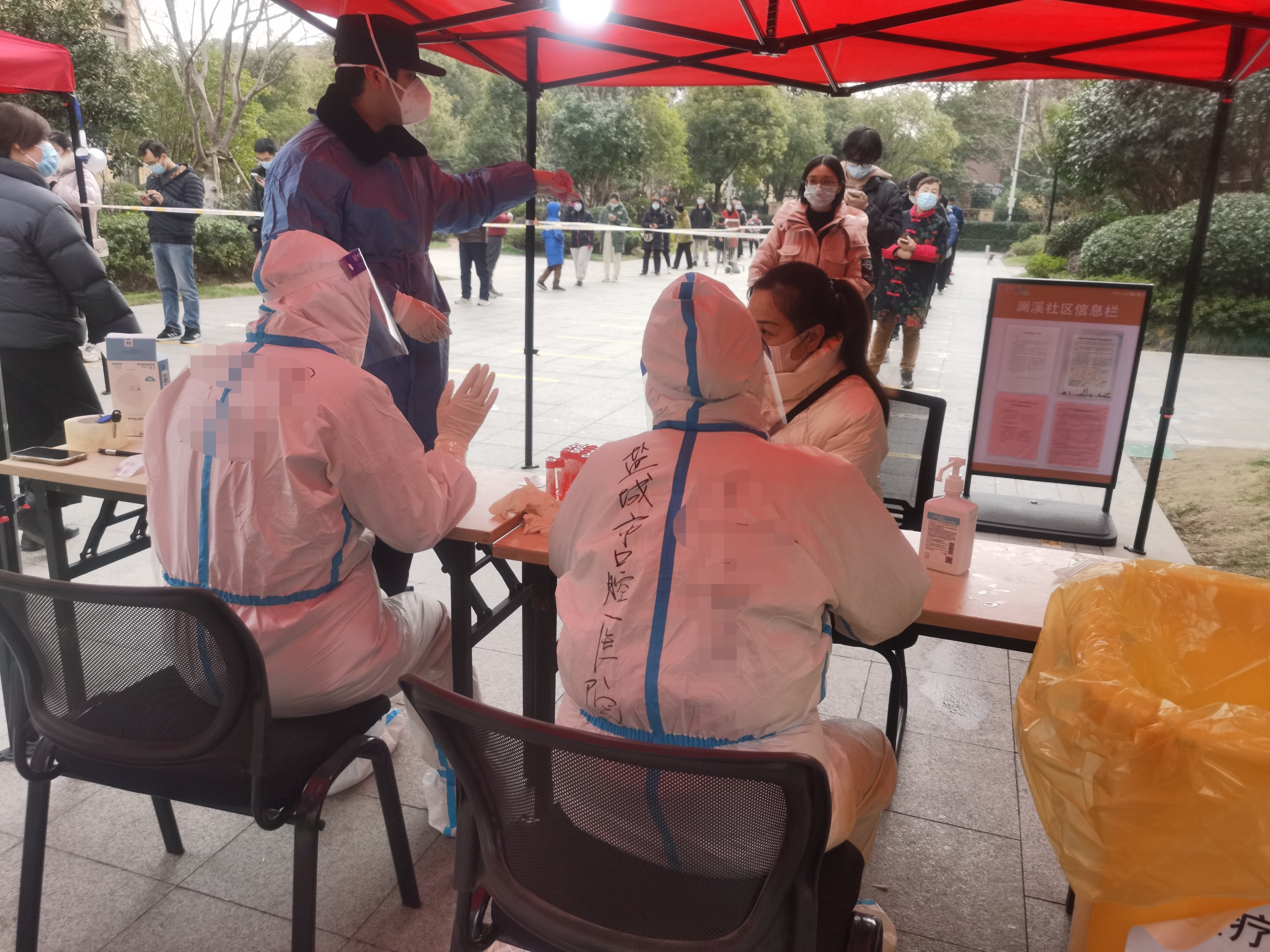
Collective rights in practice
The Chinese government introduced strict measures such as lockdowns, mass testing and travel restrictions
These policies aimed to protect the collective right to health and safety, as well as maintain social order and stability during the crisis
While these policies helped reduce the spread of the virus at certain stages, they also limited individual rights, such as freedom of movement and privacy
Philosophical justification
These actions reflect ideas linked to Confucianism, which emphasises the duty of individuals to the community
Restricting individual freedoms can be justified if it benefits society as a whole
Summary
China’s COVID-19 response shows how prioritising collective rights can help address major challenges
However, it also raises questions about the balance between community welfare and individual freedoms

Unlock more, it's free!
Join the 100,000+ Students that ❤️ Save My Exams
the (exam) results speak for themselves:

Was this revision note helpful?
