Justice in Response to Violations (DP IB Global Politics: SL): Revision Note

Responsibility to Protect (R2P)
The Responsibility to Protect doctrine (R2P) is a UN attempt to establish a global norm that interference can occur in cases of extreme human rights atrocities
Traditional notions of state sovereignty prevent the global community from interfering if states are mistreating their citizens
Modern norms regarding sovereignty include the idea that states have a responsibility to protect the well-being of their citizens
Three pillars of R2P
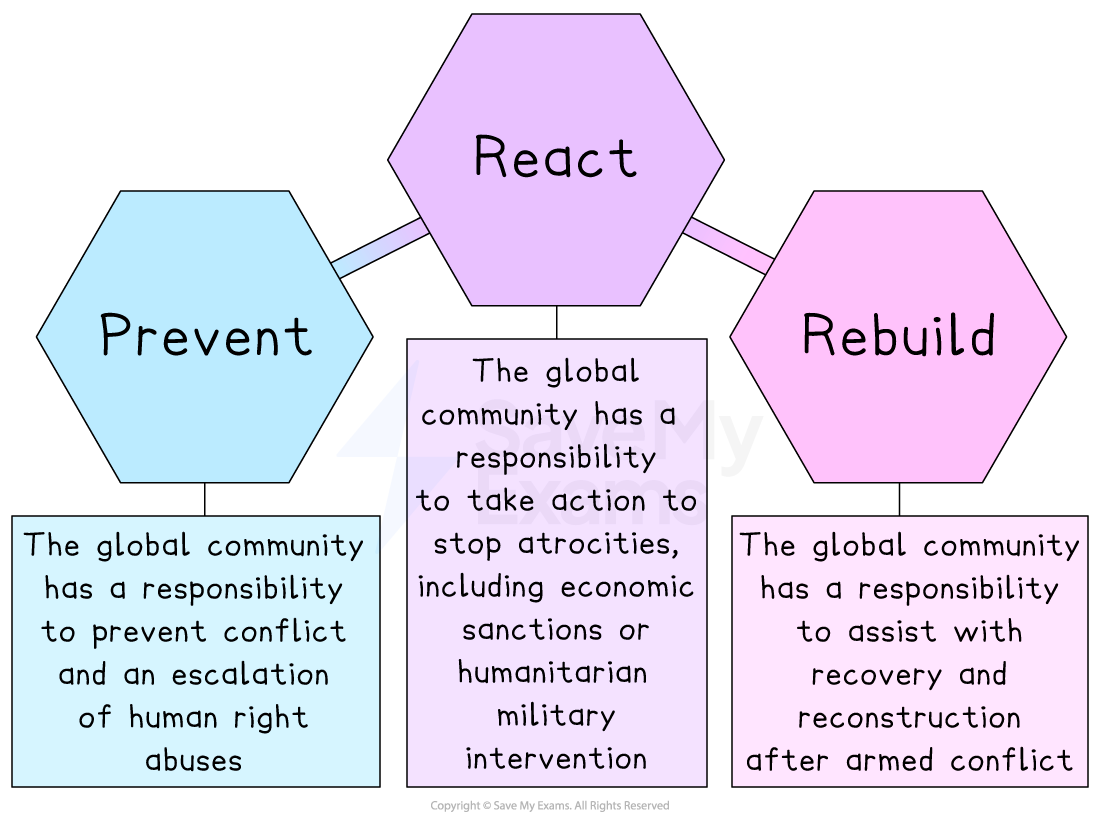
Pillar 3 is the most controversial
It violates traditional notions of state sovereignty
Intervention requires the use of force and will likely cause death and destruction, which is in opposition to the principles of the UN Charter
Intervention can cause more harm than good in the long term
NGO Doctors Without Borders has criticised R2P as a political tool used by powerful states to invade and control weaker states
R2P was disastrous in Libya leaving the state in a fragile condition and failing to secure the human rights of its citizens
Case Study
Unsuccessful humanitarian intervention in West Sudan
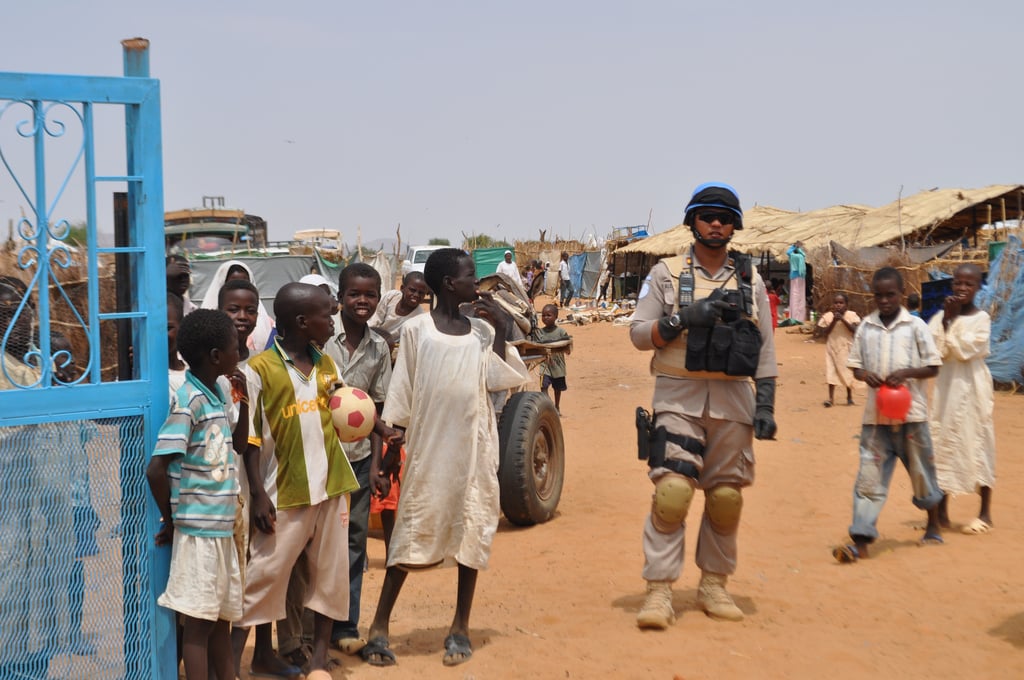
From 2003 onwards, conflict in the Darfur region of western Sudan led to ethnic cleansing, mass killings and large-scale displacement
Civilians were targeted by government-backed militias, creating a major humanitarian crisis
The intervention
In 2007, the African Union and the United Nations launched a joint peacekeeping mission
Its mandate was to protect civilians, support the delivery of humanitarian aid, and help restore order
The mission faced violent attacks, poor infrastructure, and restrictions imposed by the Sudanese government
The outcome
The peacekeeping mission struggled to effectively protect civilians or stop ongoing violence
Limited resources and lack of cooperation undermined its impact
The intervention is widely viewed as unsuccessful in preventing further human rights abuses
Responses to violations at all levels of politics
Multiple actors in global politics respond to human rights and try to bring justice to those who are affected
These actors can be found from local to international levels
Ultimately the cooperation of the state is needed
The actor most capable of responding to violations and providing justice is the state
Intergovernmental organisation (IGO) responses
IGOs can
Pressure states to end violations and provide justice
The UN can use R2P in extreme situations to end atrocities
Encourage states to codify laws such as the Rome Statute to ensure justice
Condemn the actions of states globally
Non-government organisation (NGO) responses
Non-government organisations can investigate and report on human rights violations to bring awareness and shame states, transnational corporations and other actors
Amnesty International and Human Rights Watch publish annual reports detailing all human rights abuses taking place globally
Social media is used to educate people about violations of human rights globally
Although NGOs can spread awareness and, in some cases, help victims, they rely on the cooperation of state actors to respond to violations and provide justice
Other non-state actor responses
Social movements and resistance movements, private actors and civil society can demand their governments respond to violations with justice
Again, this is dependent on the cooperation of the state
The ICC
Case Study
Bosco Ntaganda and international criminal justice (DRC)
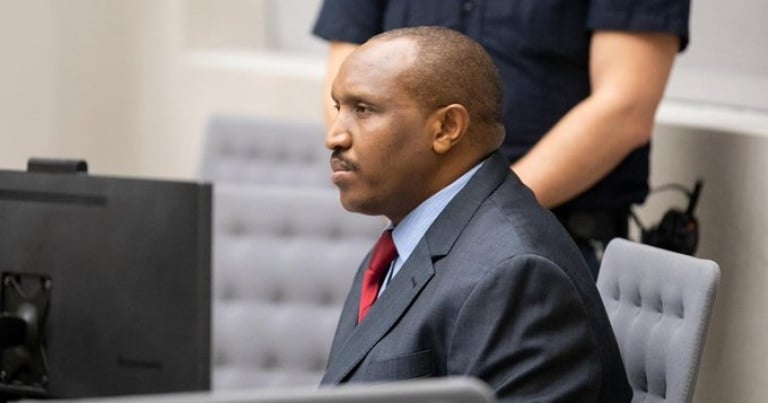
Bosco Ntaganda was a senior military leader in the Forces Patriotiques pour la Libération du Congo (FPLC)
His actions took place during conflict in the Ituri district of the Democratic Republic of the Congo (DRC) in 2002–2003
ICC charges and arrest
The International Criminal Court (ICC) issued arrest warrants in 2006 and 2012
He faced counts of war crimes and crimes against humanity
Ntaganda surrendered to the ICC in 2013
Trial and conviction
In 2019, the ICC found him guilty on all 18 counts
Crimes included:
murder
sexual slavery
use of child soldiers
He was sentenced to 30 years in prison
On 30 March 2021, the ICC Appeals Chamber:
confirmed both the conviction and sentence
made the ruling final
Reparations and aftermath
The ICC ordered reparations for victims in March 2021
Ntaganda was transferred to Belgium in 2022 to serve his sentence
Significance
This example shows how the ICC can hold individuals accountable for serious crimes
It highlights the importance of international law in promoting justice and human rights
However, it also shows challenges, including:
long legal processes
difficulties in enforcing international justice globally

Unlock more, it's free!
Join the 100,000+ Students that ❤️ Save My Exams
the (exam) results speak for themselves:

Was this revision note helpful?
