Political Development (DP IB Global Politics: SL): Revision Note

Democratisation
Political development refers to improvements in the political systems and processes that govern a state, including how citizens participate in decision-making and how governments are held to account
Development is a complex, multidimensional concept - it includes political, social, institutional and economic dimensions, all of which are interconnected
Democratisation is the process of politically empowering citizens
A wide variety of actors believe that the best system to promote development is one that allows for the agency of citizens
Intergovernmental organisations including the United Nations, European Union, World Bank and International Monetary Fund
Non-governmental organisations, including Save the Children, Freedom House and Democracy without Borders
Powerful democratic states including the USA, UK, Australia and Japan
Social movements, resistance movements and many activists
The relationship between democracy and development, particularly economic development, can be challenged
China is frequently cited as a challenge to the idea that democratisation is a prerequisite for development
Under the Chinese Communist Party (CCP), China has achieved rapid and sustained economic development, lifting hundreds of millions of people out of poverty since the 1980s
However, critics argue this has come at the cost of political and social development
Citizens have limited political rights, independent media is restricted, and political opposition is suppressed
This situation raises a key debate: is economic development possible, or even faster, without democratisation, and does that matter?
Government accountability
Government accountability means that governments and their officials must explain and provide evidence of their actions to citizens
Essentially this means the government works for the citizen - the principle most often associated with democracies
Government accountability is essential for development because without it, corruption can thrive
In a state with little or no government accountability:
Money that should be spent on infrastructure, healthcare, education and public works ends up in the pockets of politicians, corrupt officials and business leaders
Governments may award public works and infrastructure projects to companies for reasons other than them being the most capable
Although democracies hold governments accountable if free and fair elections are in place, corruption can still take place in these states
Case Study
Corruption and accountability in Brazil (Operation Car Wash)
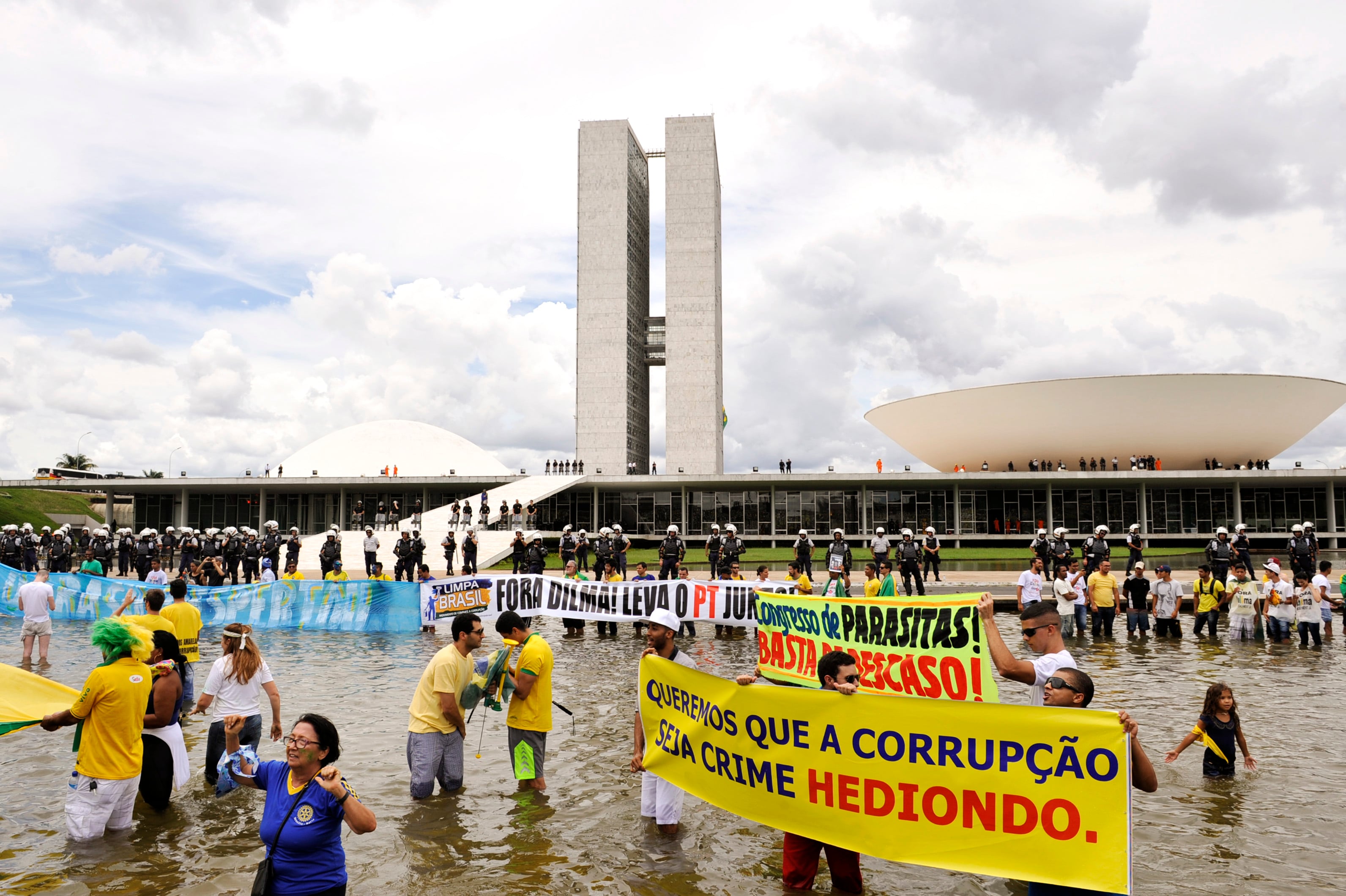
Operation Car Wash (Lava Jato) in Brazil, launched in 2014, exposed widespread corruption involving politicians, state officials and major companies
It highlights the importance of government accountability for development
Lack of accountability
Investigations revealed that billions of dollars from the state oil company Petrobras were diverted to politicians and business leaders
Contracts for public projects were often awarded based on corruption and bribery, rather than merit
Impact on development
Money that should have been used for infrastructure, healthcare and public services was misused
This slowed economic development and reduced public trust in government
Role of democracy
Brazil is a democracy with elections, but this case shows that corruption can still occur even in democratic systems
However, democratic institutions such as the judiciary and media helped expose the scandal and hold officials accountable

Unlock more, it's free!
Join the 100,000+ Students that ❤️ Save My Exams
the (exam) results speak for themselves:

Was this revision note helpful?
