Institutional Development (DP IB Global Politics: SL): Revision Note

Government structure
Institutional development is the process of improving political and governmental institutions so they become more effective, stable and able to meet the needs of society
Institutions linked to development as part of the government structure are found at the national and sub-national levels and often include:
Departments of Health, Education, Trade, Revenue and Taxation
Judicial institutions, including courts and prisons
Police and fire services
Essential public service institutions, including water, roads, public transportation
The UN’s Sustainable Development Goal 16 demonstrates the importance of institutions within and beyond the state
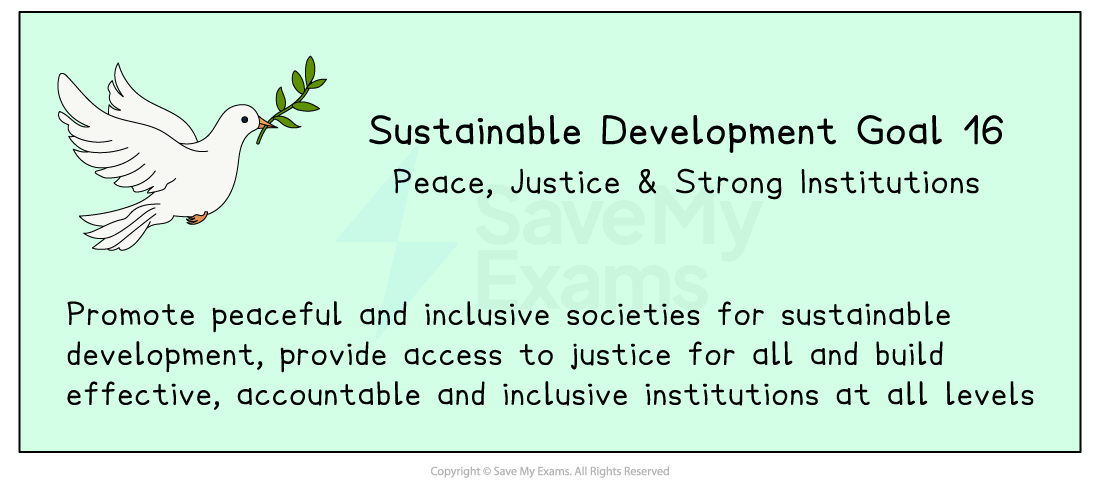
A strong government structure which facilitates development will
be accountable to the citizens
have policies and safeguards in place to prevent corruption
ensure that public money is spent well to facilitate long-term societal goals
Justice system
Justice systems vary in structure from state to state but generally they are composed of three components
Police
Courts (local to national)
Prisons
The state's responsibility to control its justice system is a component of sovereignty
An open and fair justice system is important because sustainable development requires stable growth, progress and positive changes in society
A strong justice system protects and enforces human rights
A corrupt or inefficient justice system could mean:
unequal treatment of marginalised and vulnerable people
police officers terrorising people instead of protecting them
powerful actors breaking laws with impunity
public money vanishing without any accountability
inefficient or inhumane prisons
slow and unreliable access to justice
All of these factors can lead to an unstable society that is unable to support sustainable development
Case Study
Nigeria's weak justice system
Nigeria provides an example of how weaknesses in a justice system - including the police, courts and prisons - can undermine human rights and development
Despite being a sovereign state responsible for its legal system, challenges remain in ensuring fairness and effectiveness
Problems within the justice system
Nigeria’s police force has faced accusations of abuse, including the actions of the former SARS (Special Anti-Robbery Squad), which was linked to harassment, violence and unlawful detention
This shows how law enforcement can sometimes terrorise rather than protect citizens.
The court system is often criticised for being slow and inefficient, meaning many people wait years for justice
This limits access to fair trials and weakens trust in the legal system
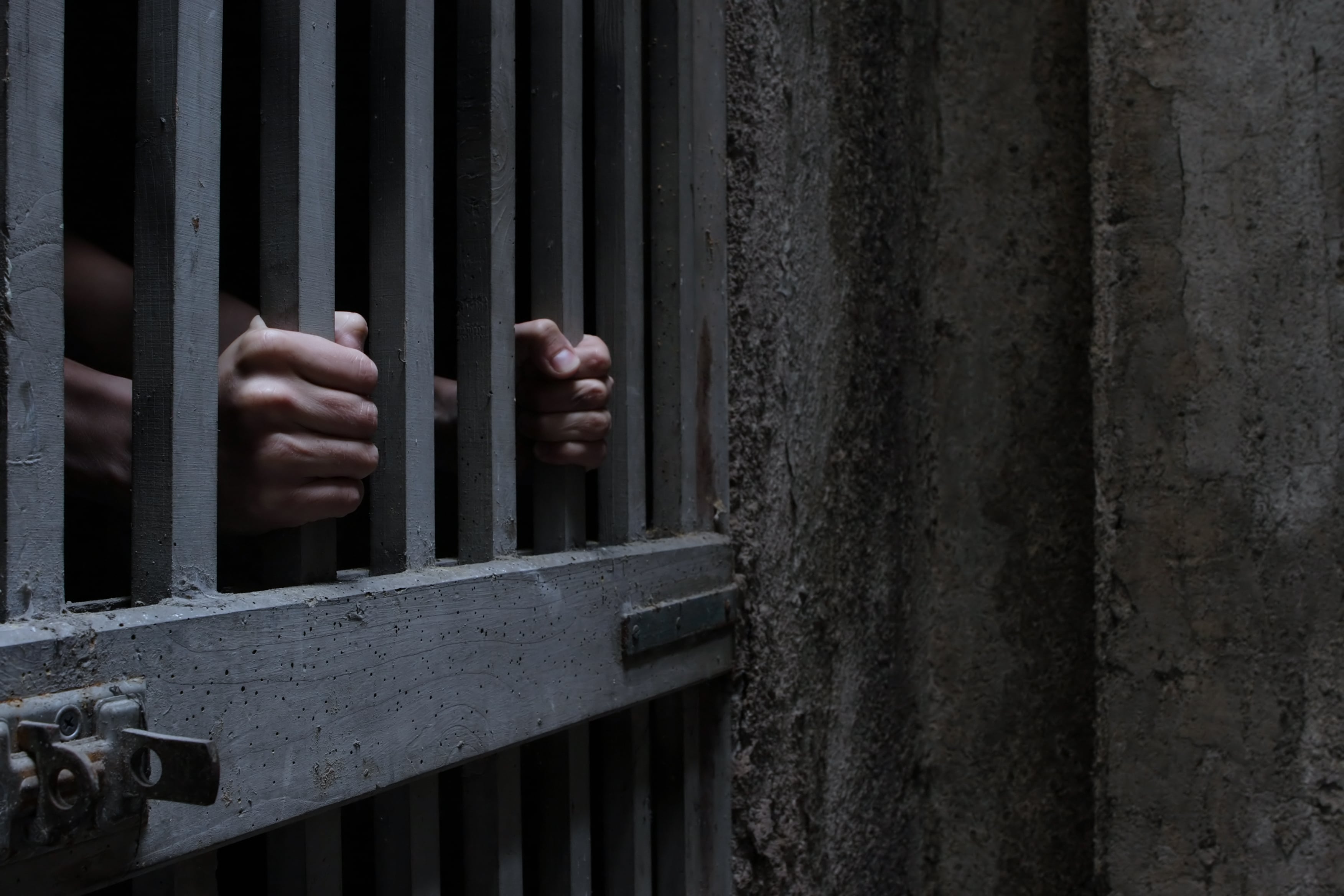
The prison system also faces serious issues, including overcrowding and poor conditions, with many held without trial for long periods
Impact on society and development
These weaknesses can lead to unequal treatment, particularly for poorer or marginalised groups
At the same time, powerful individuals may avoid punishment, while corruption can result in public money being misused without accountability

Unlock more, it's free!
Join the 100,000+ Students that ❤️ Save My Exams
the (exam) results speak for themselves:

Was this revision note helpful?
