Social/Human Factors Impacting Pathways to Development (DP IB Global Politics: SL): Revision Note

The impact of social and human factors
Social and human factors such as values, cultural traditions, gender relations and migration can either support or hinder development, depending on the context
These factors interact with economic, political and environmental conditions, meaning their impact on development is rarely straightforward
It is important to avoid generalising about the effect of any social or human factor
The same tradition or practice can have very different outcomes in different states
Values and cultural traditions
The impact of values and cultural traditions on pathways to development are difficult to assess
It is important to avoid oversimplifying or stereotyping cultures
Not all values and traditions have negative effects
However, in some cases, values and traditions can limit development
Positive impacts | Negative impacts |
|---|---|
|
|
Some cultural practices and traditions can harm the environment, such as:
a high levels of meat consumption
consumer-driven lifestyles
religious burning or offering practices
These can increase pollution and resource use, limiting sustainable environmental development
Gender relations
Gender has traditionally been viewed as binary (male or female)
However, this view has increasingly been challenged in recent years
Cultural attitudes towards gender often led to discrimination against women, which has a major impact on development
Gender discrimination affects all pathways to development:
Economic development
Growth is limited if women are denied equal access to jobs, education and resources
This means a large proportion of the population cannot fully contribute to the economy
Social development
Women carry out a large share of unpaid labour, such as childcare and domestic work
These contributions are often undervalued or not recognised
Political development
Women are less likely to hold leadership positions
This can lead to governments that do not fully represent the needs of the population
The Organisation for Economic Co-operation and Development (OECD) argues that greater gender equality makes societies more resilient
This resilience is important for achieving long-term sustainable development
Migration
Migration is the movement of people from one place to another
Some people believe migrants harm economic and social development, but evidence often does not support this view
Migration can have positive impacts on development
Economic development
Migrant workers often fill jobs that the local population is unable or unwilling to do
They pay taxes and contribute to economic growth
Migrants may bring skills and knowledge, supporting long-term economic development
Social development
Migrants help maintain key services such as healthcare, education and construction
This can improve living standards and support wider society
Case Study
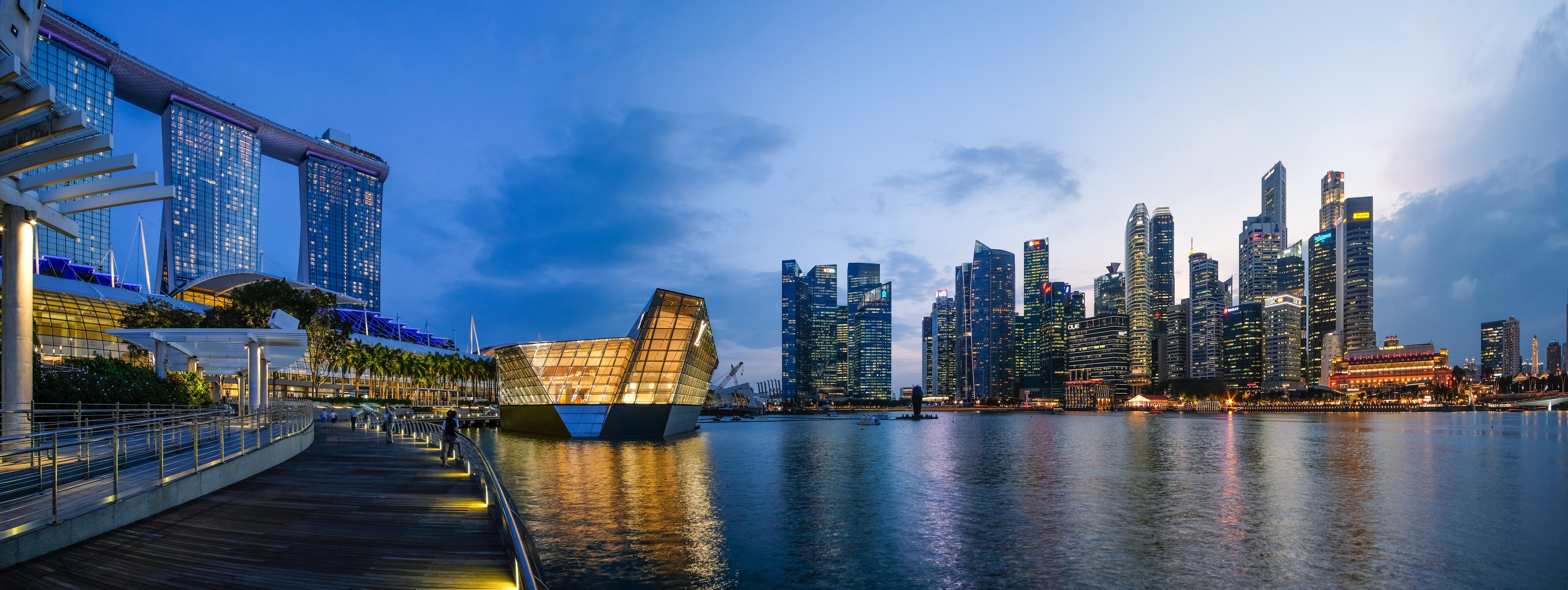
Singapore – migration and development
Singapore relies heavily on migrant workers to support its economy and society
Migration has played a key role in the state's rapid development
Economic contribution
Over one million migrant workers are employed in Singapore
They fill labour shortages in sectors such as:
construction
manufacturing
services
Migrants also pay taxes and contribute to economic growth
Many bring skills and expertise, supporting innovation and productivity
Social contribution
Migrant workers support essential services, including:
healthcare
education
This helps maintain high living standards
Migration enables Singapore to function efficiently despite a small domestic population
Limitations and criticisms
Migrant workers in Singapore, particularly in construction and domestic work, have faced concerns over poor working conditions and limited legal protections
Critics argue that the state's reliance on low-wage migrant labour can suppress wages for all workers
In sending states, migration can contribute to brain drain
The benefits of migration are therefore unevenly distributed between receiving and sending states
Significance
Singapore shows that migration can support both economic and social development
It challenges the view that migrants are a burden
Instead, migrants are often essential to development
However, the experience of migrants themselves and the impact on sending states must also be considered when evaluating migration as a pathway to development

Unlock more, it's free!
Join the 100,000+ Students that ❤️ Save My Exams
the (exam) results speak for themselves:

Was this revision note helpful?
