Stakeholders (DP IB Global Politics: SL): Revision Note

Impact on marginalised individuals
Marginalised individuals are discriminated against because of who they are
Certain groups in any society are more likely to experience poverty than others and are less likely to be positively impacted by economic development
Examples from states considered to be developed include:
indigenous Canadians earn, on average, 15-18% less than non-indigenous people
indigenous and Black Americans suffered significantly higher death rates than white Americans (over 25% higher mortality) during the COVID-19 pandemic
On the global level of politics, marginalised groups do not benefit equally in terms of environmental, economic, political and social development
Environmental damage caused by the industrialisation of developed countries has had adverse effects on the development of less economically developed states
E.g. small island developing states such as Fiji and Tuvalu are at significant risk of flooding due to climate change
The World Economic Forum estimates that, globally, women hold less than 30% of political leadership roles and managerial roles in companies
As states work toward sustainable development, marginalised people get left behind without a deliberate effort to resolve discrimination and prioritise social development
Case Study
Indigenous Australians and unequal development
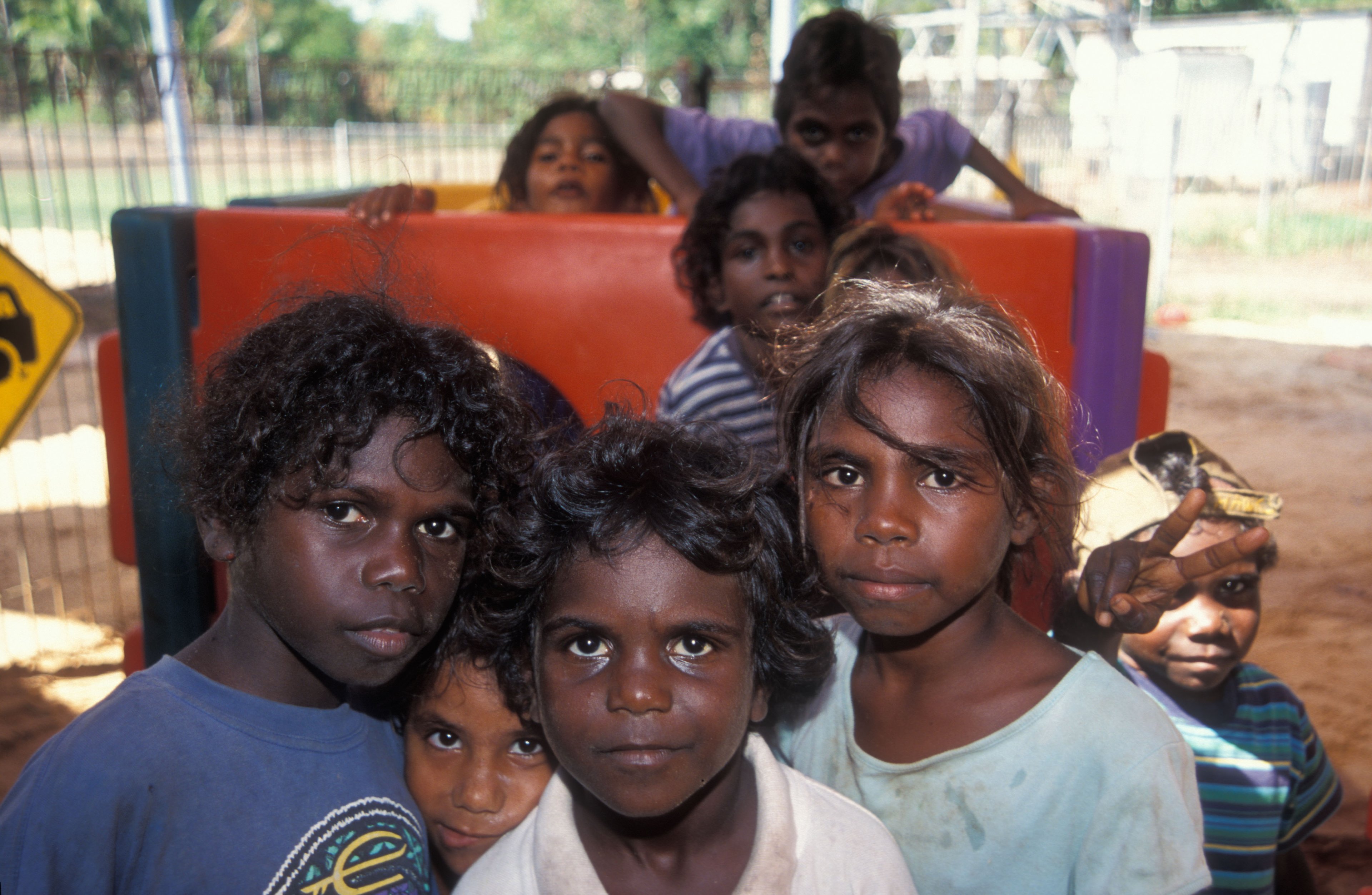
Indigenous Australians are one of the most marginalised groups in a developed country, experiencing significant inequalities despite Australia’s high level of economic development
They have historically faced discrimination, exclusion from political rights and loss of land
These inequalities continue to affect access to opportunities today
Impact on development
Economic | Social | Education |
|---|---|---|
|
|
|
Limited benefits from development
Despite Australia’s strong economy, the benefits of growth have not been shared equally
Government programmes such as Closing the Gap aim to reduce inequalities, but progress has been uneven
Many indigenous communities, particularly in remote areas, still lack access to quality healthcare, education and infrastructure
Impact on vulnerable and most affected individuals
Vulnerable and most affected people are individuals in society who are at greater risk of harm due to their age, disability, addictions, or health
They are seen as apart from mainstream society and are frequently most impacted by poverty and a lack of social development
Economic and social development can help vulnerable people if the government prioritises their welfare
Examples of vulnerable and most affected individuals
Children
Children are vulnerable and most affected by extreme poverty
Malnutrition in a child has lifelong consequences on their mental and physical health
The necessity to work as a child deprives them of educational opportunities and the possibility of a better future
Impoverished children are more vulnerable to exploitation and abuse by companies and other actors
The homeless
Homeless people lack a sense of safety and security whether they are in an economically developed state or a less economically developed state
It is almost impossible to find employment or vote in an election without a permanent address
They are more likely to suffer from other problems, including addiction and mental health concerns
They are vulnerable to violence and abuse
Case Study
The UK's homeless
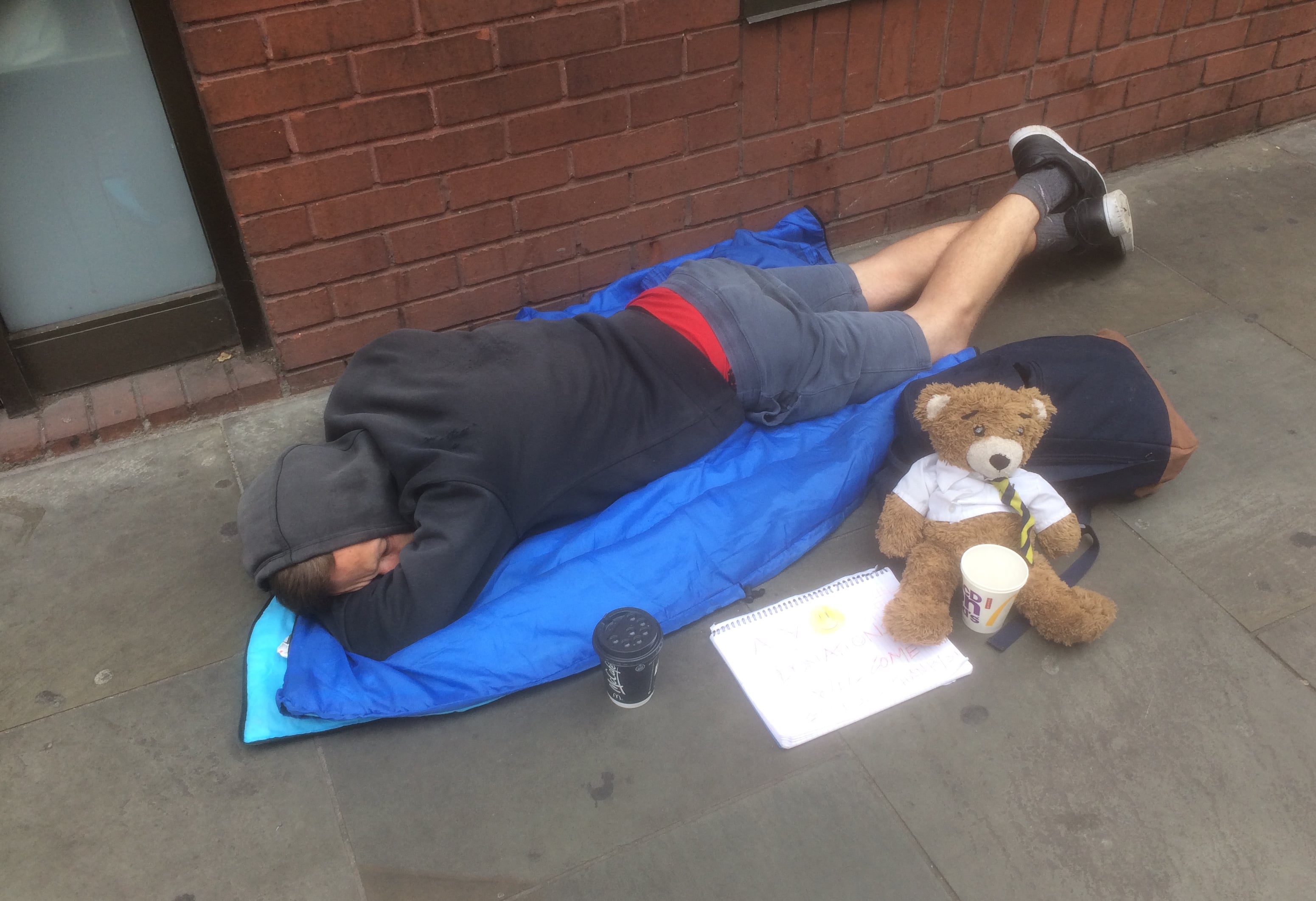
Homeless people in the UK are a vulnerable group who experience severe social and economic disadvantages, despite living in a highly developed country
Why they are vulnerable
Homeless individuals lack stable housing, making them more exposed to harm and insecurity
Many experience mental health issues or addiction, increasing their vulnerability
Impact on development
Economic: Irregular living conditions make it difficult to maintain stable employment or manage income effectively
Political: Homeless individuals are often politically disengaged and under-represented in decision-making
Social: Many face social exclusion, leading to isolation and reduced access to support networks
Access to services: They may struggle to access essential public services, such as healthcare and welfare support, due to a lack of documentation or stability
Risks and challenges
Homeless individuals are more likely to experience violence, abuse and exploitation
Life expectancy among the homeless population is significantly lower than the national average
Government and non-state actor response
Policies such as the Homelessness Reduction Act (2017) aim to support people at risk of homelessness
Non-state actors, including charities such as Shelter and Crisis, provide emergency accommodation, advice and long-term support
Local councils and charities work together, but demand for services often exceeds supply

Unlock more, it's free!
Join the 100,000+ Students that ❤️ Save My Exams
the (exam) results speak for themselves:

Was this revision note helpful?