Civil Society (DP IB Global Politics: SL): Revision Note

The power and limitations of NGOs
Non-governmental organisations (NGOs) are independent organisations that operate outside of government to address social, political or environmental issues, often on a non-profit basis
NGOs interested in promoting development operate at the global, state and local level of global politics
They may only operate with the permission of the state government
The cooperation of the state government or powerful IGOs is essential for NGOs to have a significant impact on development
They are usually underfunded and rely on donations and funding sources which are not always secure
In less economically developed states (LEDCs), NGOs frequently step in to fill gaps in the health and education systems
They have limited power and cannot operate without the consent of the state government
Many focus on urgent need, following natural disasters or areas in conflict
Some NGOs try to bring about long-term sustainable improvements
Providing literacy education
Educating people about nutrition, health and childbirth
Supporting the equality of marginalised and vulnerable groups
However, long-term sustainable change is rarely something they have the power to achieve
Some argue that a more educated and healthy society is the essential foundation for any kind of development
The power and limitations of non-NGO civil society
Civil society is distinct from government and business and is made up of non-profit groups or organisations that want to support development
NGOs are an example of civil society organisations, but it can also include
Religious organisations – groups based on faith that provide charity or support
Charities – organisations focused on helping specific causes or groups
Pressure groups – organisations that campaign to influence government policy
Community groups – local organisations supporting specific communities
Professional organisations – groups representing workers or professions, such as doctors or teachers
Civil society organisations at the community level focus mostly on social development - examples could include:
religious groups operating shelters for the homeless
organisations offering first aid training to the public
a community group operating a refuge where people can get food free of charge
Limitations of non-NGO civil society
Non-NGO civil society organisations are often small and locally focused
This limits their ability to bring about large-scale or long-term change
They are frequently underfunded, relying on donations, volunteers or the goodwill of members
This makes sustained activity difficult
Their activities depend on the permission and cooperation of the state
In authoritarian states, civil society organisations may be restricted or banned altogether
Community and religious groups may reflect the values or biases of members
Some marginalised groups may not be served equally
Civil society organisations at the international level have greater power and influence on the global stage
However, they depend on the cooperation of states and armed groups - if
access is denied, their ability to operate is severely limited
Case Study
International Committee of the Red Cross (ICRC)
The International Committee of the Red Cross (ICRC) is a global charity and part of civil society
It provides humanitarian aid to people affected by conflict and violence
It is a great example of how international civil society organisations can play a major role in social development by providing essential services and protecting human rights, especially where governments are unable or unwilling to act
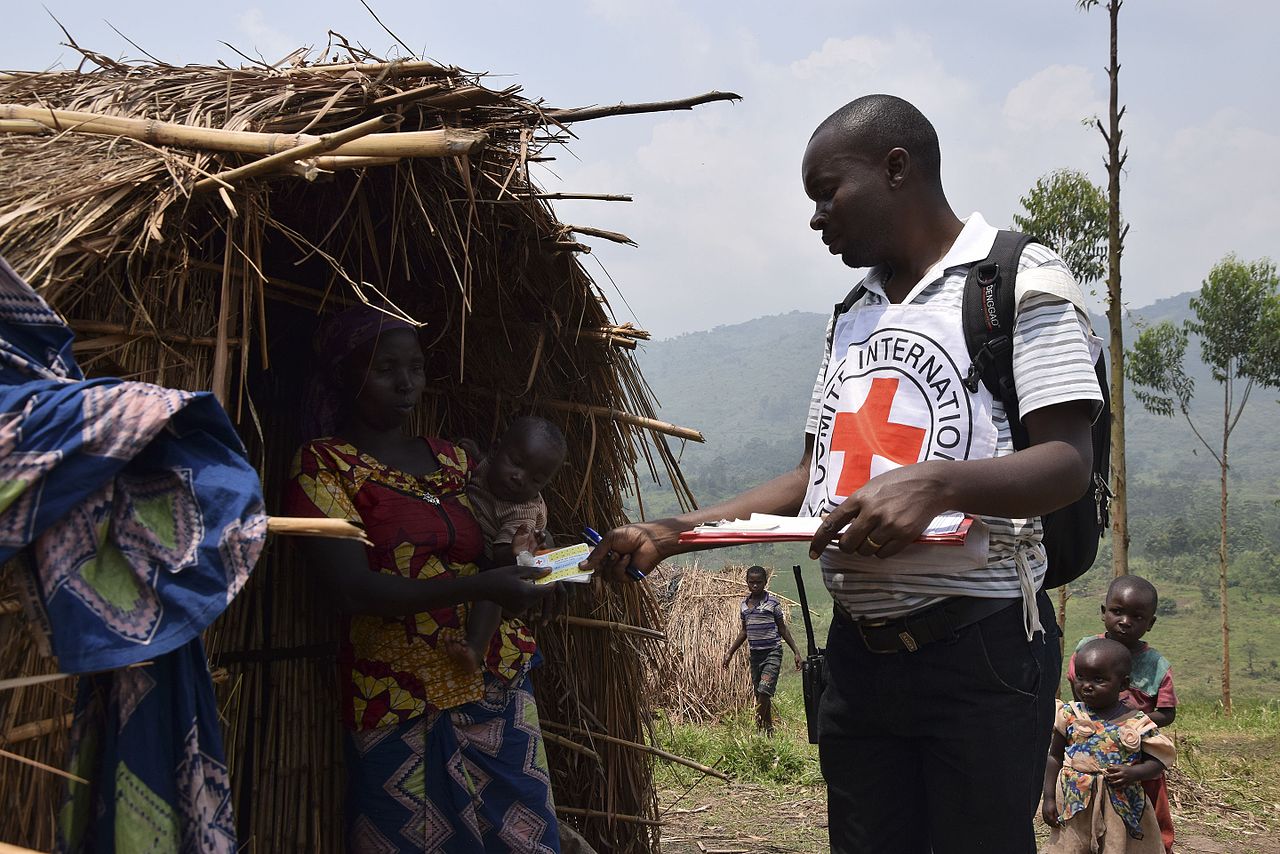
Role as a civil society organisation
The ICRC is independent from governments and businesses
It focuses on social development, particularly protecting human life and dignity during war
It works alongside other civil society groups such as charities and medical organisations
Activities and impact
Humanitarian aid: Provides food, water and medical care in conflict zones such as Syria and Ukraine
Healthcare support: Trains medical staff and supports hospitals in war-affected areas
Protection of rights: Monitors the treatment of prisoners of war and promotes international humanitarian law
Emergency response: Delivers aid quickly during crises, such as natural disasters and armed conflicts
International influence
The ICRC operates globally and has significant influence due to its neutrality and expertise
It works with governments but does not seek political power, instead aiming to support vulnerable populations

Unlock more, it's free!
Join the 100,000+ Students that ❤️ Save My Exams
the (exam) results speak for themselves:

Was this revision note helpful?
