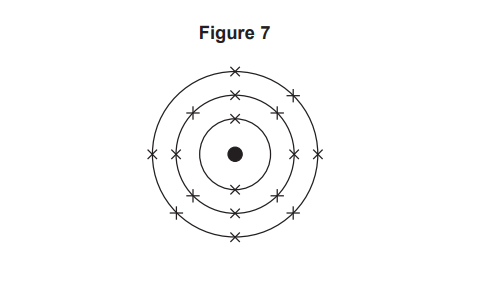
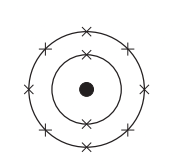
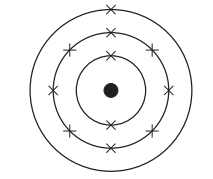
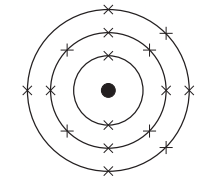
This question is about metals reacting with oxygen.
Calcium (Ca) reacts with oxygen (O2) to produce calcium oxide (CaO).
Balance the equation for the reaction.
___ Ca + O2 → 2 CaO
40 g of calcium reacts completely with oxygen to produce 56 g of calcium oxide.
Calculate the maximum mass of calcium oxide that could be produced from 10 g of calcium.
A student reacted different masses of magnesium with oxygen and measured the mass of magnesium oxide produced.
Figure 3 shows the results.
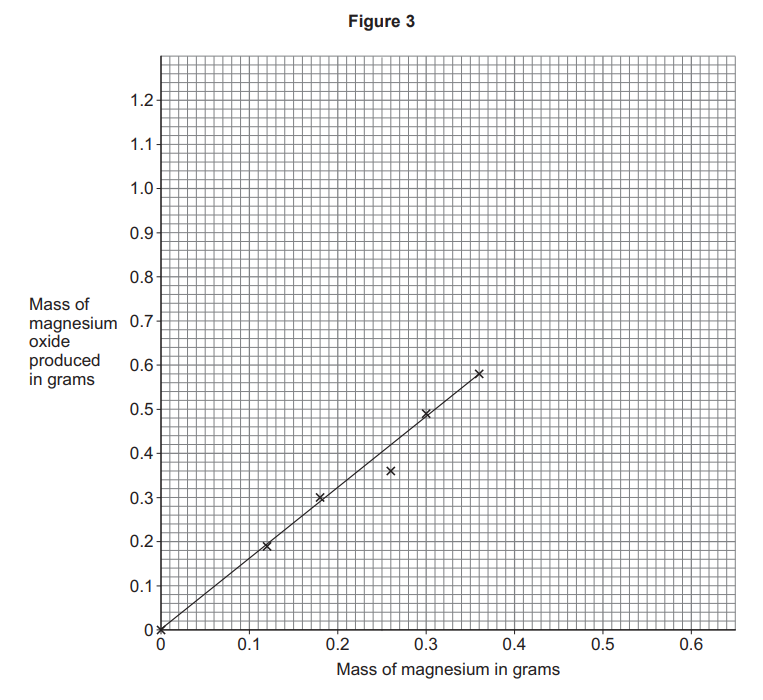
Why did the student ignore one of the points when drawing the line of best fit on Figure 3?
What trend is shown by the results on Figure 3?
Complete the sentence.
As the mass of magnesium increases _______ .
Predict the mass of magnesium oxide produced from 0.5 g of magnesium.
You should extend the line of best fit on Figure 3.
A different student reacted copper with oxygen and measured the mass of copper oxide produced. The student did repeat measurements for each mass of copper.
Table 1 shows the results when 0.42 g of copper was reacted.
Table 1
Mass of copper in grams | Mass of copper oxide produced in grams | ||||
|---|---|---|---|---|---|
Test 1 | Test 2 | Test 3 | Test 4 | Mean | |
0.42 | 0.51 | 0.47 | 0.48 | 0.50 | X |
Calculate mean value X in Table 1,
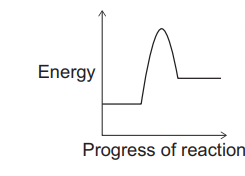
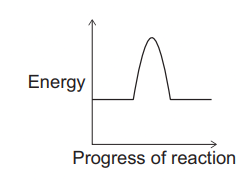
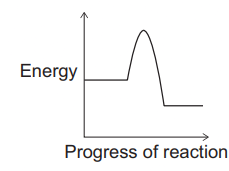
The reaction between copper and oxygen is exothermic.
Which reaction profile represents this reaction?
Was this exam question helpful?