Business Growth in the UK Confectionery Market (Edexcel A Level Business): Revision Note
Exam code: 9BS0

Business growth in the UK confectionery market
The UK confectionery market is large, well established and mature
Most consumers already buy confectionery and biscuits on a regular basis
Future growth in the market is expected to be steady rather than rapid, as there are relatively few new customers entering the market
Recent growth has not come from people buying significantly more confectionery and biscuits
Instead, it has mainly been driven by higher prices, premiumisation and product innovation
The UK confectionery market is growing in value rather than volume, with consumers paying more per item rather than increasing the quantity they purchase.
UK confectionery market size and recent growth
The value of the UK confectionery market has continued to increase in recent years, even during periods of high inflation and falling real household incomes
Year | Estimated market value (£bn approximate) |
|---|---|
2021 | 14.8 |
2022 | 15.4 |
2023 | 16.1 |
2024 | 16.5 – 17.0 |
Demand for confectionery has remained relatively resilient, despite pressure on consumer spending
Growth slowed slightly in 2024 as inflation began to fall, but the market still expanded
This suggests that confectionery is seen as an affordable treat that consumers are reluctant to give up
Growth within different confectionery segments
Growth within the UK confectionery market is uneven, with some segments performing better than others
Chocolate confectionery
This is the largest and most important segment and accounts for over half of total confectionery sales by value
It has also been the main driver of growth, largely because:
Rising global cocoa prices have pushed up retail prices
Premium chocolate bars and sharing products have become more popular
Chocolate is strongly linked to treating and gifting occasions
Sugar confectionery
Sugar confectionery, which includes sweets and chewing gum, has experienced much weaker growth
Demand in this segment has been particularly affected by:
Health concerns linked to sugar consumption
Reduced impulse buying among some consumers
As a result, growth in sugar confectionery has been slower, and in some years sales volumes have been flat or declining
The UK biscuits market and business growth
The UK biscuits market is worth around £3 billion and shows different growth characteristics to confectionery
Biscuits are bought more frequently and are often part of daily routines, such as eating with tea or as a lunchbox snack
This makes demand for biscuits more stable and less dependent on special occasions
Growth in the biscuits market has been slow but steady, with sales value growth supported by:
Rising prices
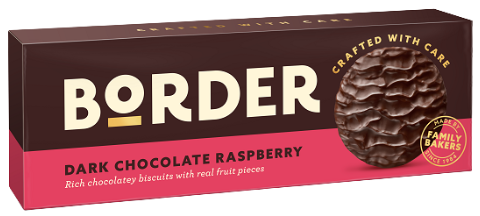
Growth in premium and indulgent biscuit ranges
Growth variation in the biscuits market
Everyday biscuits | Premium and bakery-style biscuits |
|---|---|
 |  |
|
|
As with confectionery, sales value growth in biscuits is being driven mainly by premiumisation rather than increased volume
Market growth forecasts
Market research organisations forecast moderate growth for the UK confectionery market over the next few years, reflecting its mature nature
Period | Forecast annual growth rate (approximate) |
|---|---|
2024–2026 | 2 – 3% per year |
2026–2030 | 1.5 – 3% per year |
These forecasts suggest that the UK confectionery market will continue to grow, but only at a slow and controlled pace
Most businesses will need to focus on maintaining or increasing their market share rather than relying on overall market growth
Reasons for forecast UK growth

Growth is expected to remain limited due to population stability
The UK population is growing slowly, which restricts demand growth through new consumers
As a result, businesses must rely on changing consumer preferences rather than population growth
The continued importance of price and premium effects
Sales value growth is expected to be supported by:
Higher average prices, partly due to ongoing cost pressures (e.g cocoa and sugar prices)
Continued demand for premium chocolate and biscuit products
Ongoing innovation is expected to support growth
New flavours, limited editions and product variations help maintain consumer interest, especially in a highly competitive market
Biscuits, in particular, benefit from innovation because they are purchased frequently, meaning small changes can encourage repeat purchases
Limits to growth in the UK market
Despite these factors, there are some limits to growth in the UK confectionery market
Competition between established brands is intense, making it difficult for businesses to increase sales without taking market share from rivals.
Health concerns and growing awareness of sugar consumption may also limit long-term volume growth
The strong power of supermarkets places pressure on both prices and profit margins, particularly for smaller suppliers
Together, these factors mean the UK confectionery market offers low risk but limited growth potential
What this means for UK-based businesses
Type of business | Strategies for growth |
|---|---|
Large firms |
|
Small businesses |
|

Unlock more, it's free!
Join the 100,000+ Students that ❤️ Save My Exams
the (exam) results speak for themselves:

Was this revision note helpful?