Businesses in the UK Biscuit Retail Market (Edexcel A Level Business): Revision Note
Exam code: 9BS0

Multinationals in the UK biscuit market
The UK biscuit market is dominated by a relatively small number of large multinational businesses
There is a wide range of biscuit brands available to consumers
Ownership of these brands is concentrated among a handful of global food companies
These large firms hold significant market power, particularly when negotiating with supermarkets and securing shelf space
Competition is intense, especially in value and family biscuit categories
Top multinationals in the UK biscuit market
Multinational business | Main UK biscuit brands |
|---|---|
pladis (owned by Yıldız Holding) |
|
Mondelēz International |
|
Fox’s Burton’s Companies (FBC) |
|
Lotus Bakeries |
|
Bahlsen Group |
|
These companies dominate supermarket shelves and benefit from:
Strong brand recognition
Large-scale production
National distribution across all major retailers
Case Study
pladis (McVitie’s)
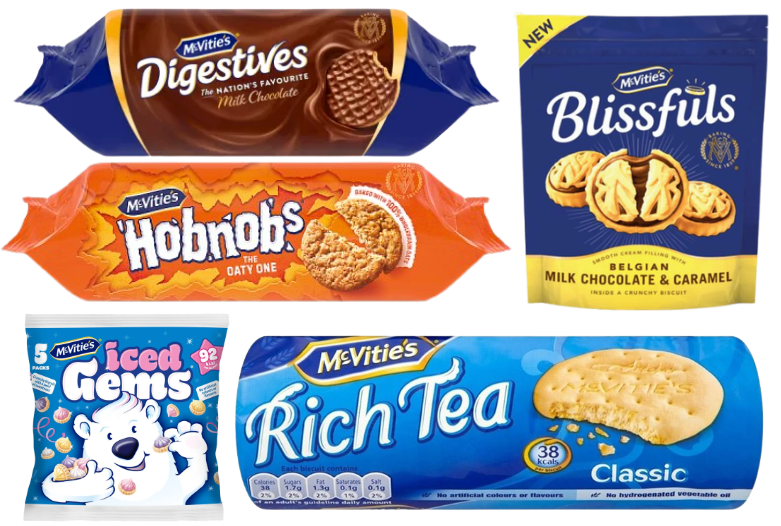
pladis is the single most important multinational in the UK biscuit market, largely due to its ownership of McVitie’s
McVitie’s is one of the best-known and most widely purchased biscuit brands in the UK
It has a strong presence in almost every major supermarket and convenience chain
pladis uses McVitie’s heritage to defend its position in a mature and highly competitive market, where most households already buy biscuits regularly
Target markets
pladis targets a broad mass market but segments it carefully by occasion and need
Everyday biscuits, such as Digestives and Rich Tea
Indulgent treats, such as chocolate-coated biscuits
Younger consumers, through innovation and limited editions
Recent product launches have been designed to appeal to younger shoppers and social-media-led trends, including:
McVitie’s Hot Honey limited edition
Expansion of Jamaica Ginger into new flavour variants
Business objectives
Protect market leadership in everyday biscuits
Drive value growth through innovation
This is particularly important because sales volumes in sweet biscuits have fallen, even when sales value has increased.
Attract younger consumers who may snack less traditionally
Recent performance and market context
According to industry data reported by The Grocer:
Sweet biscuits grew by 2.6% in value, but volumes fell by 3.5% (17.1 million kilos)
This shows that growth is largely price-driven, not volume-driven
pladis has responded by focusing on:
Premium flavours
Limited editions
New formats, such as ice-cream-inspired biscuit ranges
Case Study
Mondelēz International
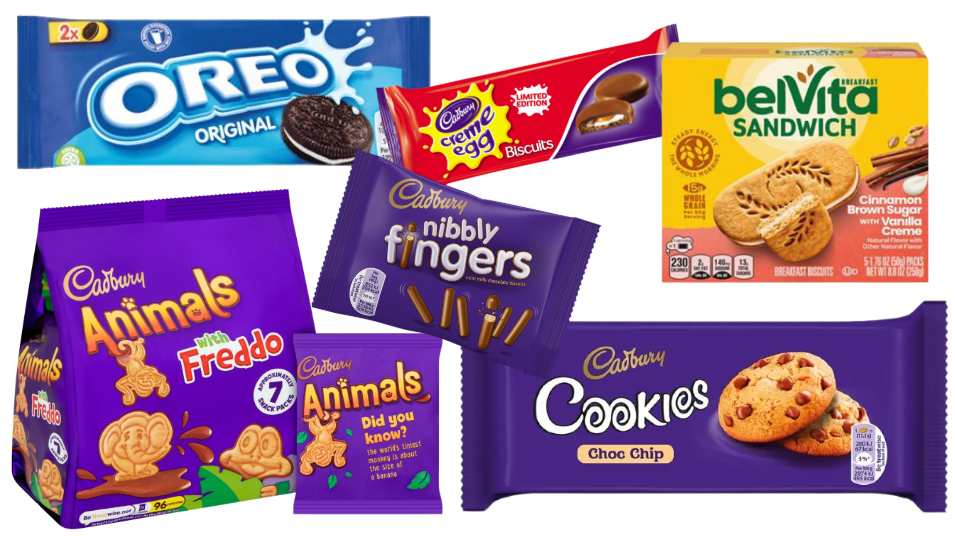
Mondelēz is a major multinational in the UK biscuit market through brands such as Oreo, belVita and LU
While it is better known for confectionery, biscuits are an important part of its wider global snacking range
Target markets
Younger consumers, particularly with Oreo
Health- and lifestyle-conscious consumers, with belVita
Business objectives and performance
Mondelēz focuses on:
Premium positioning, particularly with LU
Linking biscuits to specific consumption moments, such as breakfast or on-the-go snacking
The Grocer reports that:
Mondelēz’s LU biscuit range grew 12.1% in value and 12.7% in volume, following a redesign that emphasised premium quality and French heritage
Case Study
Fox’s Burton’s Companies (FBC)
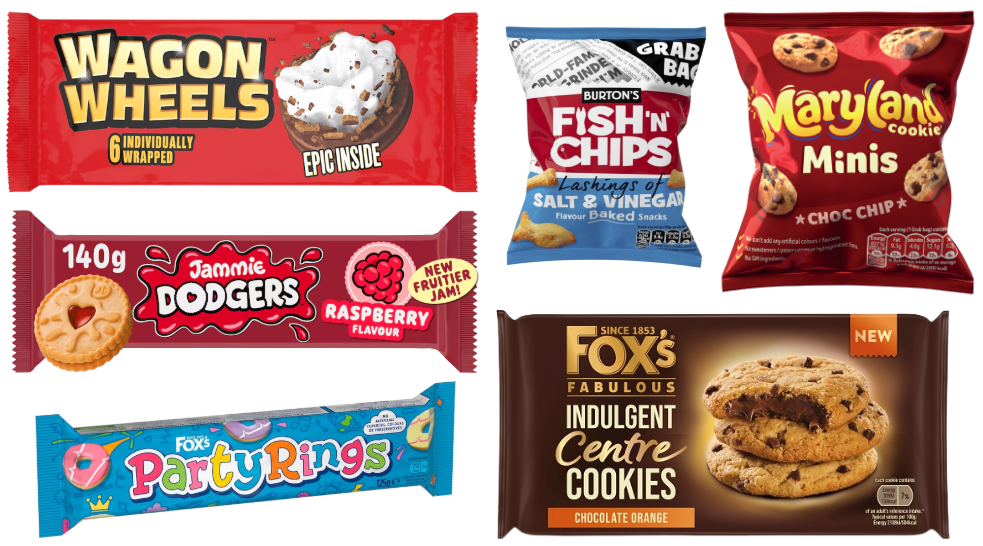
FBC is a key multinational company in the UK biscuit market, owning Fox’s, Maryland and Thomas Fudge’s
It competes strongly in both mass and premium biscuit markets
Strategy and performance
FBC has argued that the UK biscuit market is not simply a race to the bottom on price
Instead, it has focused on premiumisation
It believes premium biscuits can still grow, even when consumers are cutting back elsewhere
The Grocer highlights:
Thomas Fudge’s has grown by over 200% year on year
Fox’s delivered 2% sales volume growth, despite market sales volume decline
Why multinationals dominate the UK biscuit market
Large multinational biscuit producers benefit from:
Economies of scale in production and distribution
Strong relationships with supermarkets
Ability to absorb rising costs and invest in innovation
Large marketing budgets to support brand visibility
Independents in the UK biscuit market
Independent biscuit businesses are typically small or medium-sized firms that are not owned by large multinational food companies
Unlike multinationals, independents usually do not compete on price, volume or national supermarket dominance
Instead, they focus on quality, tradition, craftsmanship and differentiation
Although independents account for a small share of total UK biscuit sales, they play an important role in:
premium and heritage biscuits
gifting and seasonal products
regional and local food markets
This means their impact is greater than their size suggests, particularly in higher-value segments
Market position of independents in the UK biscuit market
Independent biscuit businesses have limited presence in mainstream supermarket aisles
They lack the economies of scale needed to compete on price
They also face strong competition from own-label biscuits
However, independents remain resilient because they target different consumer needs
Where independent biscuit businesses compete best | Where independent biscuit businesses are weakest |
|---|---|
|
|
Examples of independent UK biscuit businesses
Independent business | What makes them distinctive |
|---|---|
Island Bakery |
|
Grandma Wild’s |
|
Moores Biscuits |
|
Williams Handbaked |
|
Cartwright & Butler |
|
These brands are more likely to be sold in farm shops, garden centres, visitor attractions, delis and specialist food retailers and premium online gift stores
How independents compete
Craft, quality and heritage
Independent biscuit businesses often emphasise:
traditional baking methods
simple, recognisable ingredients
family-run or long-established business stories
This appeals to consumers who associate independents with authenticity and trust, especially when buying gifts
Premium pricing and value perception
Independents usually charge higher prices per pack, but justify this through:
better ingredients (for example real butter)
hand-finished products
attractive packaging for gifting
Consumers buying these biscuits are often:
older
higher income
purchasing for special occasions rather than everyday use
Resilience during the cost-of-living crisis
Biscuit sales have remained relatively resilient, even during periods of economic pressure, because they are seen as affordable treats
For independents:
some consumers cut back on eating out and choose affordable luxuries at home
premium biscuits especially benefit from this trade-off
gifting remains important, particularly at Christmas
This has helped many independents survive despite rising costs.
Case Study
Island Bakery
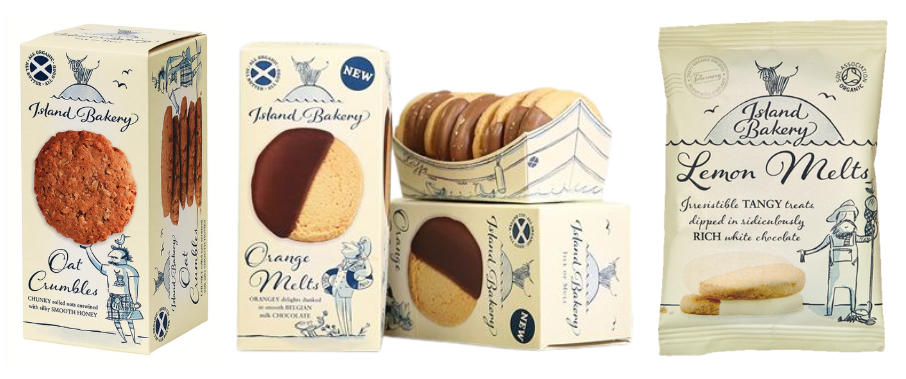
Island Bakery is a small UK biscuit producer based on the Isle of Mull
It specialises in organic biscuits and promotes strong environmental credentials
Target market
Ethically conscious consumers
Premium food shoppers
Customers buying gifts or treats rather than everyday snacks
Business objectives
Maintaining organic and ethical standards
Growing sales without compromising sustainability
Building a strong brand story linked to location
Strengths and challenges
Strength: strong differentiation through ethics and sustainability
Challenge: higher costs and limited ability to reduce prices
Case Study
Grandma Wild’s
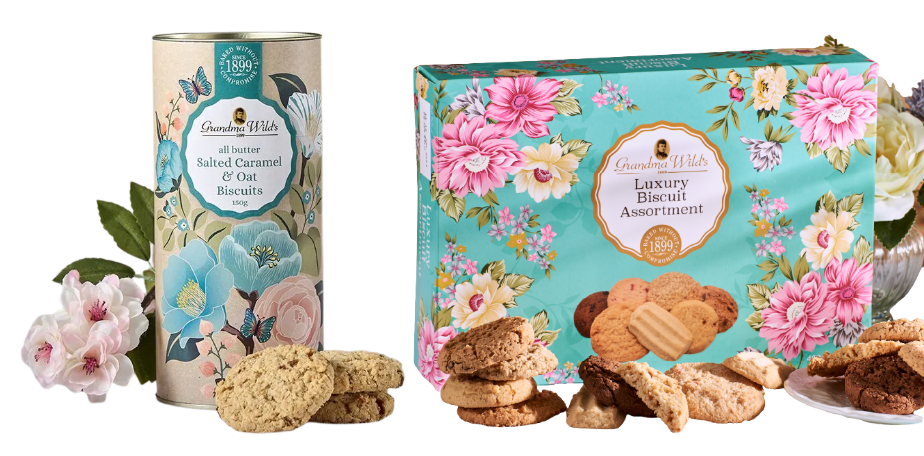
Grandma Wild’s is a long-established family business with roots dating back to the late 19th century
It is known for traditional British biscuits and heritage branding
Target market
Older consumers
Gift buyers
Customers who value tradition and nostalgia
Business objectives
Protecting the brand's heritage
Growing seasonal and gifting sales
Maintaining quality rather than mass production
Market position
The brand performs particularly well at Christmas, when gifting tins are popular
Case Study
Williams Handbaked
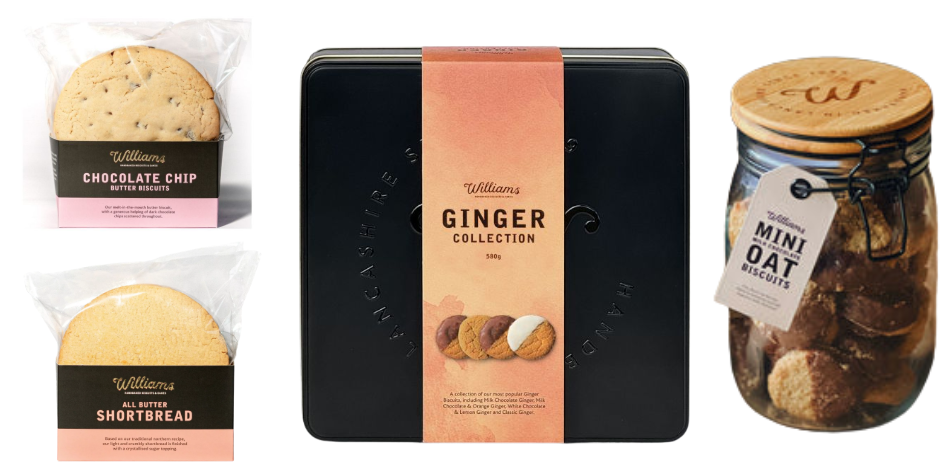
Williams Handbaked is an artisan biscuit maker based in Yorkshire, focusing on handmade biscuits produced in small batches
Target market
Premium biscuit buyers
Food enthusiasts
Customers shopping in farm shops and delis
Business objectives
Maintain craft production methods
Build reputation through quality and word-of-mouth
Avoid competing directly with large brands
Challenges
Rising ingredient and energy costs are a major issue, as prices cannot be lowered easily without damaging the premium image

Unlock more, it's free!
Join the 100,000+ Students that ❤️ Save My Exams
the (exam) results speak for themselves:

Was this revision note helpful?