Businesses in the UK Confectionery Retail Market (Edexcel A Level Business): Revision Note
Exam code: 9BS0

Multinationals in the UK confectionery market
The UK confectionery market is dominated by a small number of large multinational businesses
Although many brands are available to consumers, ownership is concentrated in the hands of a few global companies
The top five multinational companies control around 47.96% of the UK confectionery market
This means almost half of all confectionery sales in the UK are made by just five firms
The remaining market share is split between smaller multinationals, UK-based firms and independents
This level of concentration gives large firms significant market power
Top multinationals and their brands
Multinational | Main UK confectionery brands |
|---|---|
Mondelēz International |
|
Mars (Mars Wrigley) |
|
Nestlé |
|
Ferrero |
|
Lindt & Sprüngli |
|
Haribo |
|
Perfetti Van Melle |
|
August Storck |
|
The Hershey Company |
|
Case Study
Mondelēz International
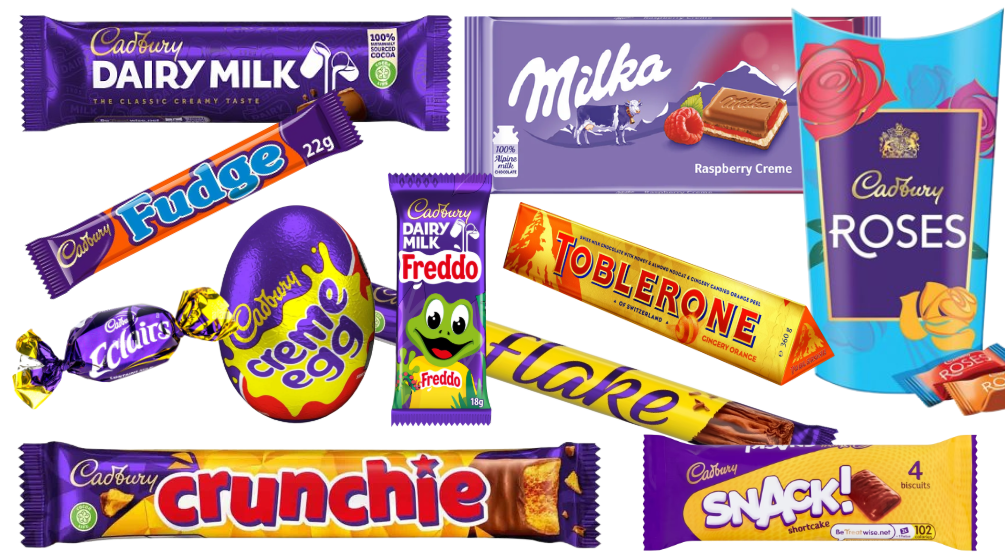
Mondelēz owns Cadbury, one of the best-known confectionery businesses in the UK
Cadbury’s long heritage gives it strong brand loyalty
Mondelēz uses this to defend market position in the UK's mature, competitive market
Target markets
Mondelēz targets a wide mass market, but it also targets specific occasions and segments, such as:
Everyday treats (small bars, countlines)
Sharing (bags and larger formats)
Gifting and seasonal products (especially Easter and Christmas)
Business objectives
Mondelēz typically aims to protect and grow sales through:
Brand strength and availability in supermarkets and convenience stores
Product innovation and seasonal ranges to keep demand high
Premiumisation where possible, to protect profit margins when costs rise
Recent performance
In 2024, Mondelēz reported worldwide revenue of $36.4bn
Mondelēz has been in the UK news for product range decisions, including the reported discontinuation of a dark Toblerone bar in the UK
Case Study
Mars Wrigley
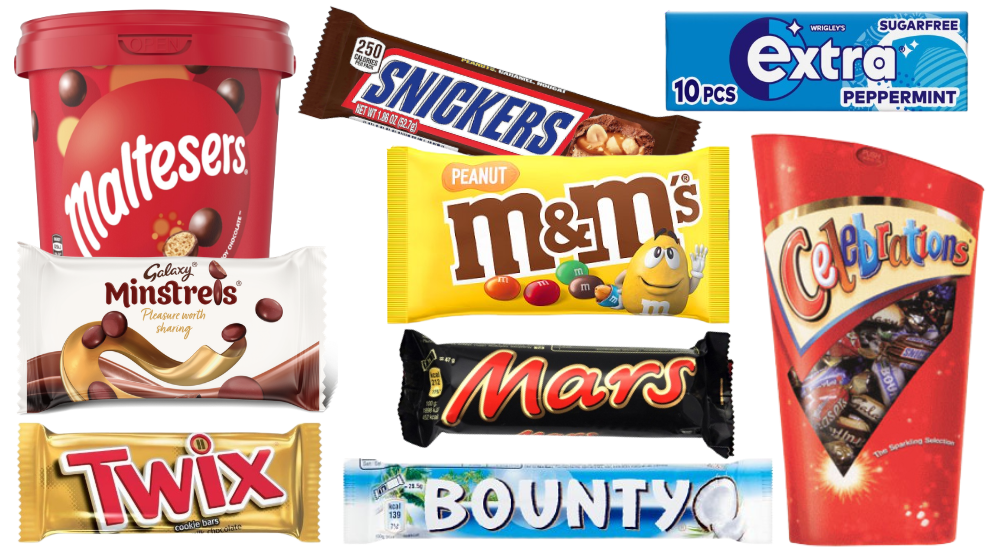
Mars is a family-owned multinational with a long history in confectionery
It is strongly embedded in UK retail with a range of famous brands
Target markets
Mars targets large mainstream segments, including:
Impulse and convenience shoppers (single bars at tills)
Sharing occasions (bags and tubs)
Family and seasonal buying (Easter eggs and Christmas tubs)
Business objectives
Strengthening its premium position, not just mass market confectionery
Expanding its snacking range, which is why Mars has pursued major acquisitions
Recent performance
Mars is privately owned, but in 2024 sales topped $54bn
It completed the acquisition of Hotel Chocolat in January 2024, giving it a stronger position in premium chocolate and gifting
Mars has also been linked to shrinkflation, changing pack sizes during recent periods of cocoa price inflation
Case Study
Ferrero
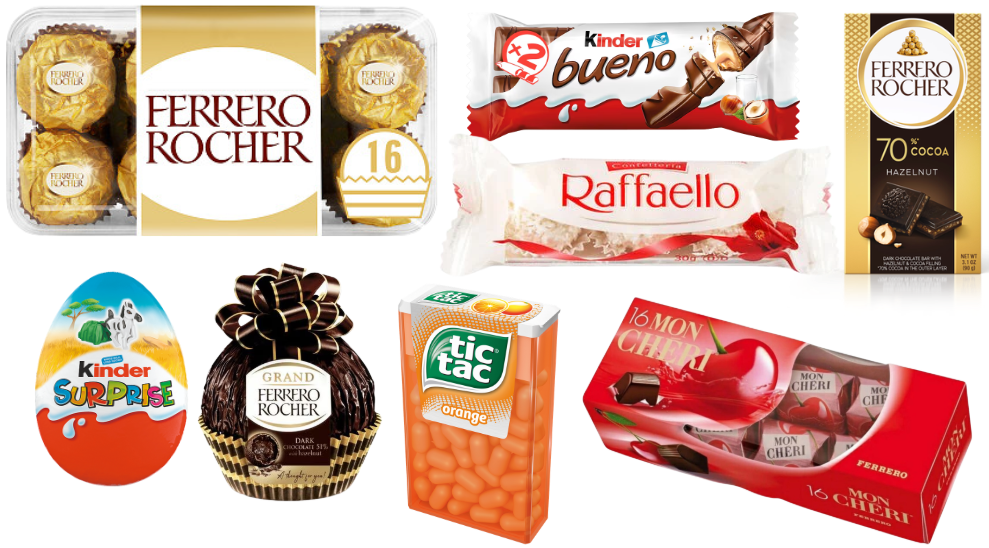
Ferrero is an Italian family-owned confectionery multinational best known for premium gifting and family brands
It has steadily expanded internationally and competes strongly in chocolate and seasonal products
Target markets
Ferrero’s UK target markets are often clearer than some rivals because its products cluster around:
Family and child-focused chocolate, such as Kinder
Premium gifting, such as Ferrero Rocher
Brand extensions, such as Nutella chocolate products
Business objectives
Expanding into new categories and formats while protecting its quality image
Growing internationally and strengthening supply chains for key ingredients, especially hazelnuts
Recent performance
Ferrero reported €18.4bn revenue in 2023/2024, an 8.9% increase year-on-year
Ferrero has recently been reported in business news linked to hazelnut supply pressures, as it uses 25% of the global supply of hazelnuts
Independents in the UK confectionery market
Independents confectionery businesses and brands hold a small combined market share and rarely compete directly with large brands on volume or price
They are disproportionately important in certain segments and tend to perform best in specific niches, rather than the mass market
Where independents are strong | Where independents are weak |
|---|---|
|
|
Independent brands are more often found in farm shops, specialist retailers, online stores and tourist locations
Independent confectionery businesses in the UK
Independent business | Type of products | What makes them distinctive |
|---|---|---|
Hotel Chocolat (now owned by Mars) |
|
|
Montezuma’s |
|
|
Willie’s Cacao |
|
|
Pump Street Chocolate |
|
|
Rococo Chocolates |
|
|
Chococo |
|
|
Cocoa Loco |
|
|
Divine Chocolate |
|
|
These firms are well known to consumers who are willing to pay more, even if they are unfamiliar to mass-market shoppers
How independents compete
Premium and ethical positioning
Independents compete by offering something different, rather than something cheaper
This often includes:
higher cocoa content
unusual flavour combinations
ethical sourcing stories
small-batch or handmade production
Consumers who buy from independents are often:
older
higher income
values-driven
buying gifts rather than everyday snacks
Innovation and flexibility
Smaller firms are often more flexible than multinationals.
They can:
experiment with flavours more quickly
respond faster to trends such as vegan or single-origin chocolate
test products online without national supermarket listings
This helps them stay relevant even in a difficult trading environment
Case Study
Willie’s Cacao
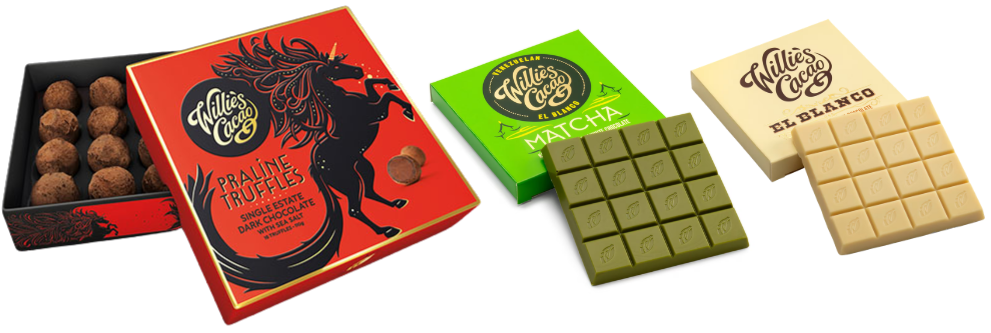
Willie’s Cacao is a UK-based independent chocolate business founded by Willie Harcourt-Cooze
It specialises in single-estate chocolate, meaning cocoa comes from one identifiable farm or region
Target market
Premium chocolate consumers
Ethically minded buyers
Food enthusiasts interested in provenance
Business objectives
Maintaining high quality rather than high volume
Educating consumers about cocoa origins
Sustaining long-term relationships with growers
Performance and challenges
The brand has strong recognition in premium food retail but faces challenges from:
rising cocoa prices
limited economies of scale
competition from premium ranges launched by larger firms
Case Study
Montezuma’s
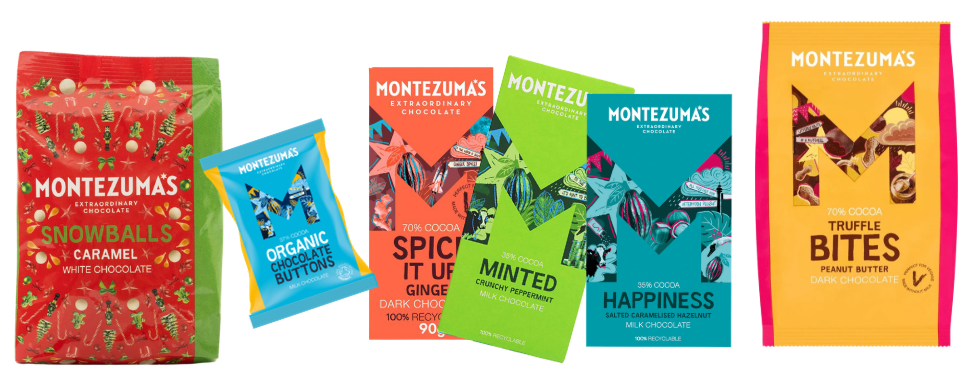
Montezuma’s is a UK independent chocolatier known for bold flavours and ethical sourcing
It has grown through a mix of increased retail presence and online sales
Target market
Consumers looking for premium but accessible chocolate
Shoppers interested in ethical and sustainable products
Gifting customers during seasonal periods
Business objectives
Brand differentiation through flavour innovation
Maintaining ethical credentials
Balancing growth with independence
Recent performance and context
Like many independents, Montezuma’s has had to manage:
higher ingredient and energy costs
cautious consumer spending
This makes premium positioning essential to protect profit margins
Case Study
Divine Chocolate
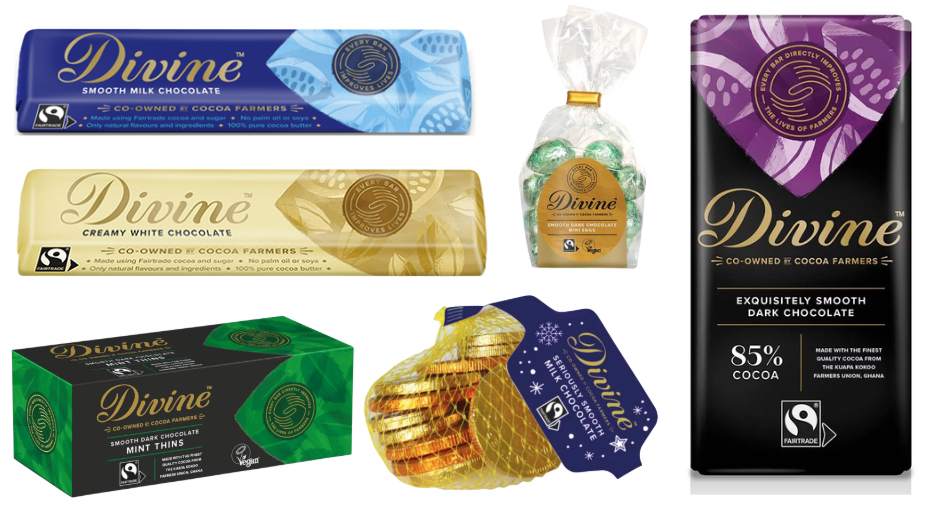
Divine Chocolate is distinctive because it is part-owned by cocoa farmers, making it one of the most ethical chocolate brands in the UK
Target market
Ethically conscious consumers
Fairtrade supporters
Shoppers willing to pay more for values-led brands
Business objectives
Support farmer incomes
Raise awareness of ethical supply chains
Compete in the premium chocolate segment without compromising values
Performance and challenges
While the brand has strong ethical credibility, it faces:
intense competition from multinational ethical brands
limited marketing budgets

Unlock more, it's free!
Join the 100,000+ Students that ❤️ Save My Exams
the (exam) results speak for themselves:

Was this revision note helpful?