Trends in the Consumption of Confectionery & Biscuits (Edexcel A Level Business): Revision Note
Exam code: 9BS0

Defining confectionery and biscuits
Making the distinction between confectionery and biscuits is important for Paper 3 because consumer behaviour, pricing and promotion can differ between the two markets
Confectionery
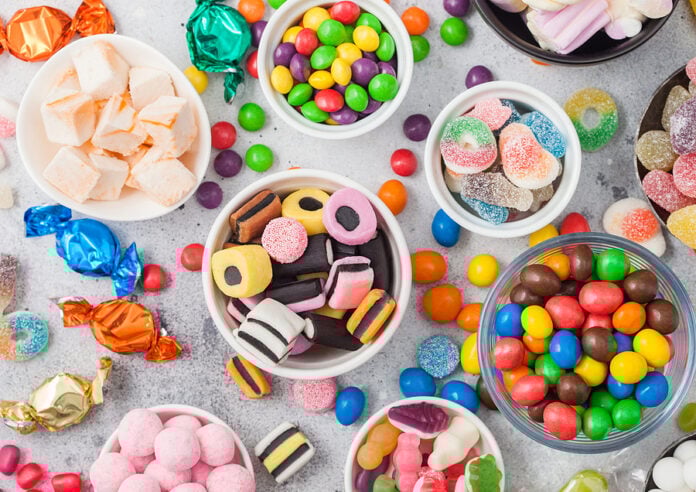
Confectionery refers to sweet treats that are usually high in sugar
It includes chocolate (such as bars and boxed chocolates) and sugar confectionery (such as sweets, gummies and chewing gum)
Confectionery is often bought as a treat, gift or impulse purchase rather than a daily essential
Biscuits
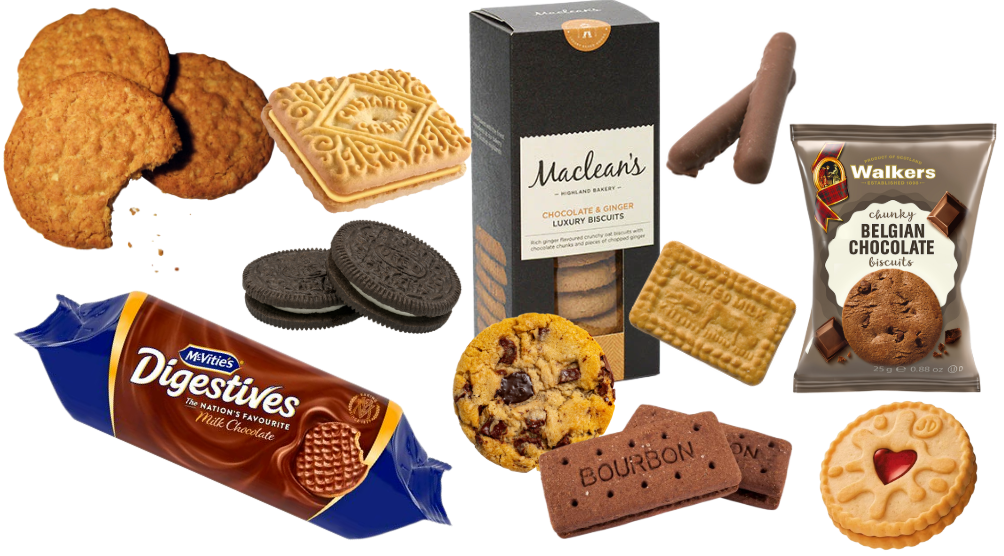
Biscuits are baked cereal-based products made mainly from flour, sugar and fat
They include everyday biscuits (such as digestives and rich tea), indulgent biscuits (such as cookies and chocolate-coated biscuits) and snack biscuits
Biscuits are more likely than confectionery to be eaten regularly, for example with tea or as a lunchbox snack
Key data
Confectionery market
The UK confectionery market is worth around £16–17 billion
Chocolate accounts for the largest share of sales within confectionery
Despite economic pressure, overall demand has remained relatively stable, showing that confectionery is seen as an affordable treat
Biscuits market
The UK biscuits market is worth around £3 billion
Biscuits are one of the most frequently purchased grocery items in the UK
Growth in biscuits has been supported by innovation, such as premium cookies and twists on classic products
Examples include Greggs' giant jammie dodgers and McVitie's salted caramel Club biscuit bars
Growth trends
Value sales have increased faster than volume sales
This suggests that prices are rising and consumers are paying more per item rather than buying much more
Inflation and higher ingredient costs (such as cocoa and wheat) have pushed up prices
Consumers still buy treats
Confectionery and biscuits are widely seen as affordable treats rather than luxury goods
Even when consumers face higher living costs, many still allow themselves small indulgences
Instead of cutting out treats completely, people are more likely to reduce spending elsewhere or buy smaller quantities
This has helped demand for confectionery and biscuits remain relatively strong, even during periods of high inflation and falling real incomes
For many consumers, a chocolate bar or a packet of biscuits is seen as a low-cost reward that provides comfort or enjoyment
Industry commentators often describe this behaviour as treat-led resilience, where emotional value plays an important role in purchase decisions.
Data and examples
The UK confectionery market is valued at around £16–17 billion, making it one of the largest food and drink categories in the country
Chocolate is the leading category and accounts for over 50% of confectionery sales by value, showing how central it is to UK consumer habits
Despite rising prices caused by higher cocoa, energy and labour costs, overall consumption has not fallen sharply
This suggests demand is less price elastic than for many non-essential goods
Well-known brands benefit most from this treat culture
Brands such as Cadbury, Mars and Galaxy retain strong sales across supermarkets, convenience stores and petrol stations
These brands are often linked with nostalgia, trust and reliability
Familiar branding reduces the perceived risk of purchase, especially when consumers are cautious with money
This makes it difficult for smaller firms to compete on volume, although independents may still succeed by focusing on premium or niche products
Consumers look for value
Although consumers are still buying confectionery and biscuits, they are now much more price conscious than in previous years
Rising living costs mean shoppers are paying closer attention to prices, promotions and pack sizes when making purchase decisions
Rather than stopping consumption altogether, many consumers are adjusting their behaviour to manage spending
This includes switching brands, buying smaller packs, shopping in different retailers, or waiting for products to be on promotion
This trend has become more noticeable during the cost-of-living crisis and has had a clear impact on how confectionery businesses price and market their products
Data and examples
UK food price inflation peaked at over 19% in 2023, increasing pressure on household budgets
Rising input costs, such as cocoa, sugar, wheat and energy, have pushed up retail prices for confectionery and biscuits
As a result, consumers are actively seeking better value for money
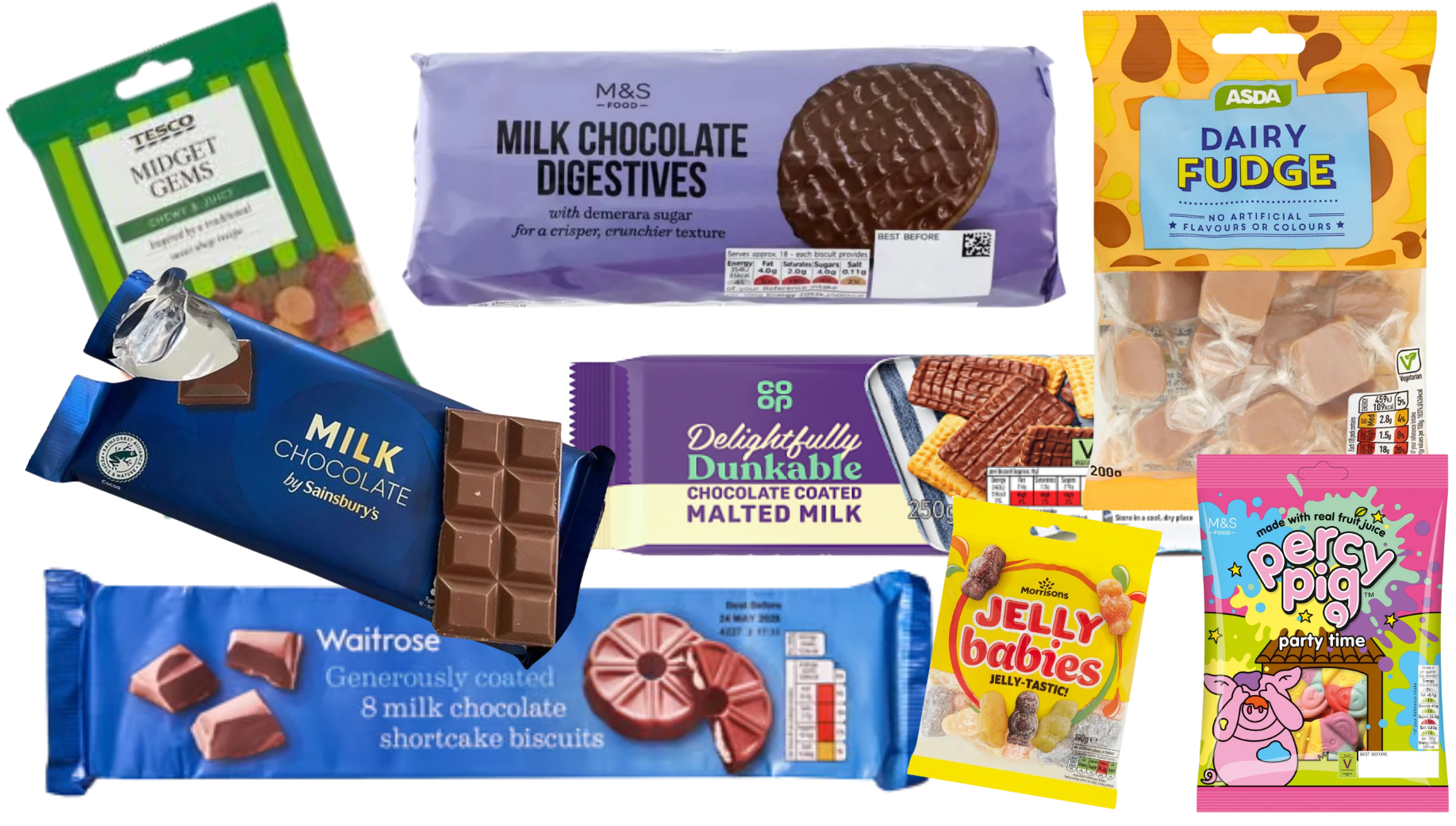
Own-label biscuits have grown as consumers look for cheaper alternatives
These products allow retailers to compete strongly on price while maintaining acceptable quality
For value-focused shoppers, own-label digestives or chocolate biscuits are seen as close substitutes for branded versions
This increases competitive pressure on branded manufacturers, especially in the biscuits market where brand loyalty can be weaker
Price-marked packs are increasingly common in convenience stores and independent retailers
These packs clearly show the price on the packaging, helping to reassure consumers that they are not being overcharged
Multi-buy promotions, such as “2 for £1”, remain common on chocolate sharing bags and seasonal products
Some brands have introduced smaller pack sizes to keep prices lower
This allows consumers to continue buying treats without feeling they are overspending
Single bars and smaller biscuit packs appeal to consumers managing budgets or buying for themselves rather than sharing
Some consumers trade up
At the same time as many consumers look for value, others are willing to pay more for higher-quality confectionery and biscuits
This behaviour is often described as trading up
It means buying fewer items but choosing more indulgent or premium products
As a result, the market has become polarised, with growth at both the value end and the premium end
Middle-of-the-market products can find it harder to stand out, as consumers either want the cheapest option or something that feels special
Data and examples
Value sales in confectionery have risen faster than volume sales
This suggests consumers are paying more per item rather than buying more
This trend can increase profit margins, even if unit sales are lower
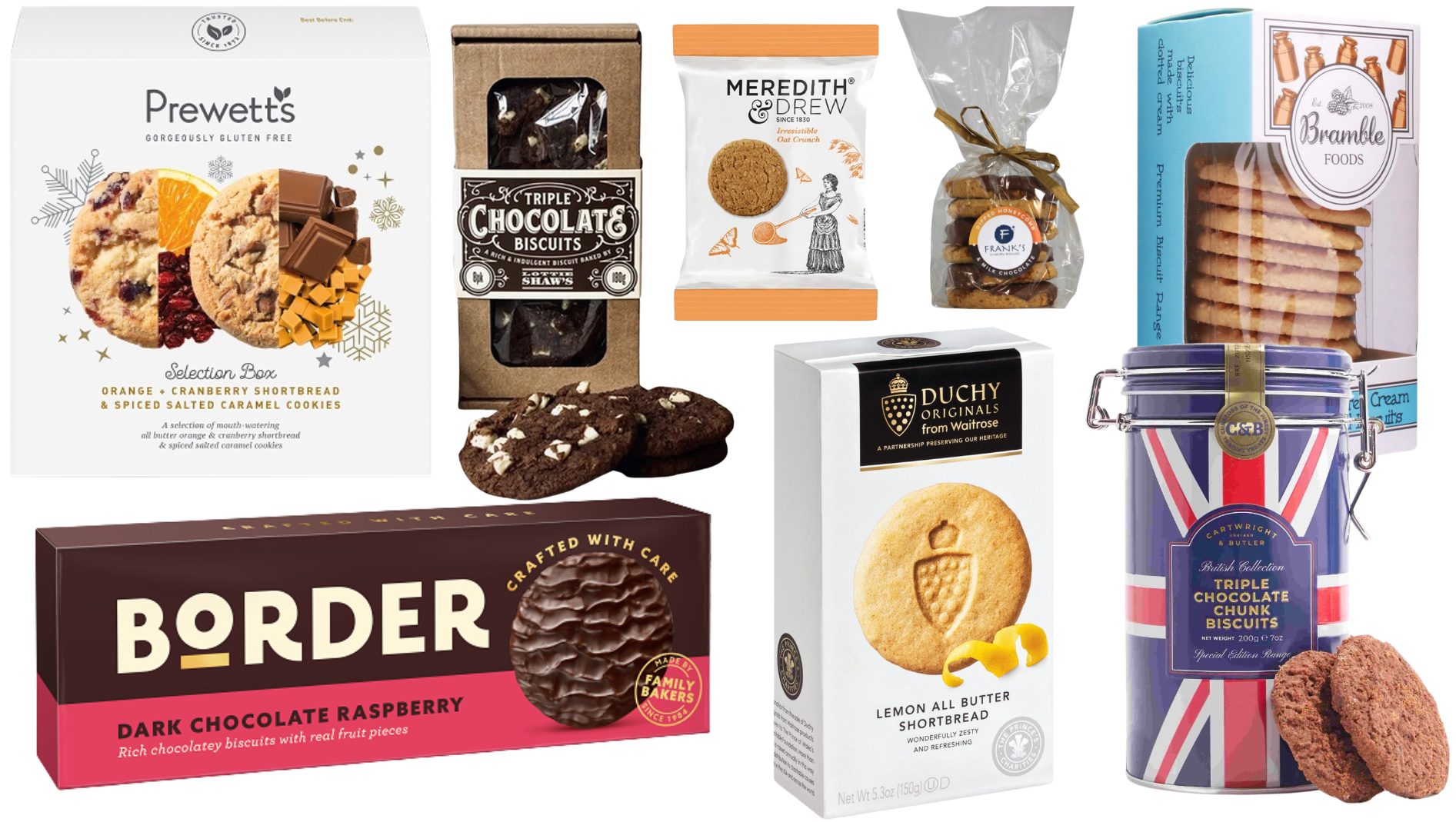
Premium biscuits and cookies are a growing segment, particularly bakery-style and indulgent products
These products often focus on:
High-quality ingredients
Larger portion sizes
New or unusual flavours
Consumers may see these as a treat to replace eating out or buying more expensive desserts
Retailers such as M&S and Waitrose focus heavily on premium chocolate and biscuit ranges
These products are often positioned as gifts or sharing treats
Premium own-label ranges allow retailers to:
Charge higher prices
Improve profit margins
Build a quality-focused brand image
Premium products often use:
Sophisticated packaging
Storytelling about ingredients or production
Limited editions or seasonal flavours
This helps justify higher prices and encourages impulse purchases
Health matters, but treats remain
Health concerns are having a growing influence on how consumers buy and consume confectionery and biscuits
Many consumers are more aware of the health risks linked to high sugar intake, such as obesity and tooth decay
However, this has not led to a major fall in demand
Instead of avoiding treats completely, most consumers are choosing moderation
This means eating smaller portions, buying treats less often, or selecting products that feel slightly healthier
Data and examples
Sugar reduction policies and public health campaigns have raised awareness of sugar intake
The UK government introduced the Soft Drinks Industry Levy, raising awareness of sugar content across food and drink markets
Although confectionery is not directly taxed in the same way, consumer expectations around sugar have shifted
Portion-controlled packs and individually wrapped biscuits have increased in availability
Smaller pack sizes allow consumers to enjoy treats while limiting sugar intake and helps businesses keep prices accessible despite rising costs
Products labelled as lower sugar, vegan or gluten-free have grown in shelf presence
Biscuits made with oats or marketed as lighter snacks appeal to health-conscious consumers
Demand has grown for gluten-free, vegan and dairy-free confectionery and biscuits
These products often target consumers with dietary needs or lifestyle preferences
While still a small part of the market, they are growing faster than traditional ranges
This trend offers opportunities for smaller or specialist businesses to differentiate themselves.
Snacking is important
Snacking plays a major role in how consumers buy and eat confectionery and biscuits
Busy lifestyles, longer commuting times and more flexible working patterns have increased demand for convenient, portable foods that can be eaten quickly and easily
Confectionery and biscuits fit well into this behaviour because they are easy to store, carry and consume, often without preparation
This has helped maintain demand, particularly for individually packaged products.
Data and examples
Biscuits are among the most frequently purchased grocery items in the UK
Convenience stores account for a significant share of impulse confectionery sales, bought without prior planning
Individually wrapped biscuits and single chocolate bars perform well in travel locations, such as train stations, and petrol stations
There is increased demand for single bars, snack packs and individually wrapped biscuits
For example, single chocolate bars sold at tills or in meal deals remain popular.
These products appeal to:
Commuters
Students
Workers buying snacks between meals
Smaller formats also help consumers manage both spending and calorie intake
Many consumers regularly snack with tea or coffee
Biscuits, in particular, are linked to daily routines rather than special occasions
This makes demand for biscuits more consistent than for some types of confectionery
This helps explain why the biscuits market is more stable and less seasonal than confectionery
Brand familiarity and trust
In the confectionery and biscuits market, strong, familiar brands perform particularly well, especially during times of economic uncertainty
When consumers are more cautious with their spending, they often prefer to buy products they recognise and trust, rather than experimenting with unknown brands
Brand trust reduces the perceived risk of purchase
Shoppers feel more confident that they will enjoy the product and that it offers good value for money, even if it is slightly more expensive than alternatives.
Data and examples
Well-known brands such as Cadbury, Galaxy, Mars and McVitie’s consistently rank among the most popular confectionery and biscuit brands in the UK
These brands dominate shelf space in major supermarkets and convenience stores
Smaller independents often compete by offering niche products or premium positioning
Chocolate brands, in particular, benefit from strong emotional connections with consumers
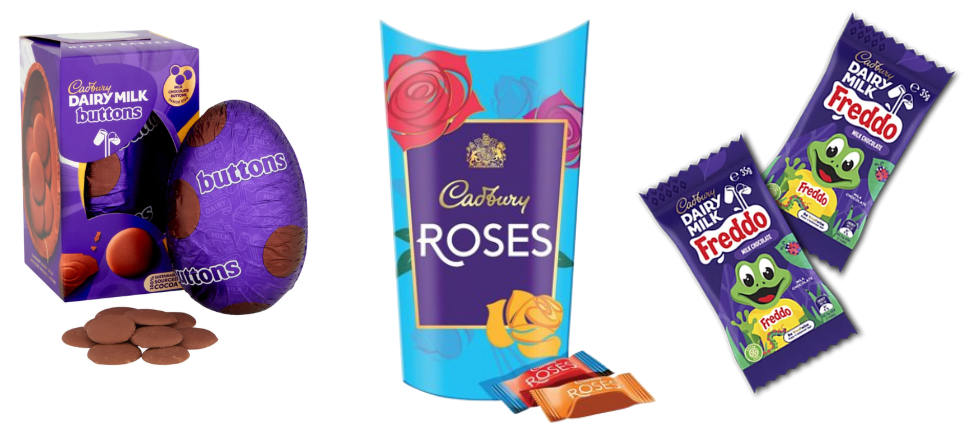
Brands like Cadbury are closely linked to:
Childhood memories
Gifting occasions
Seasonal traditions
This emotional connection encourages repeat purchases and brand loyalty
Large brands invest heavily in advertising, promotions and in-store displays
This keeps them highly visible and reinforces brand awareness
Seasonal marketing campaigns at Easter and Christmas further strengthen their position
Smaller businesses often lack the marketing budgets to match this level of exposure
Consumers often associate established brands with consistent quality and safety
This is particularly important in food markets, where trust in ingredients and production standards matters
During periods of change, such as recipe reformulation or price rises, trusted brands are more likely to retain customers
This gives large firms a competitive advantage

Unlock more, it's free!
Join the 100,000+ Students that ❤️ Save My Exams
the (exam) results speak for themselves:

Was this revision note helpful?