Preventing Unwanted Energy Transfers (AQA GCSE Combined Science: Synergy: Physical Sciences): Revision Note
Exam code: 8465

Written by: Leander Oates
Updated on
Preventing unwanted energy transfers
Unwanted energy transfers can be reduced in a number of ways
The two main methods are:
Lubrication
Thermal insulation
Lubrication
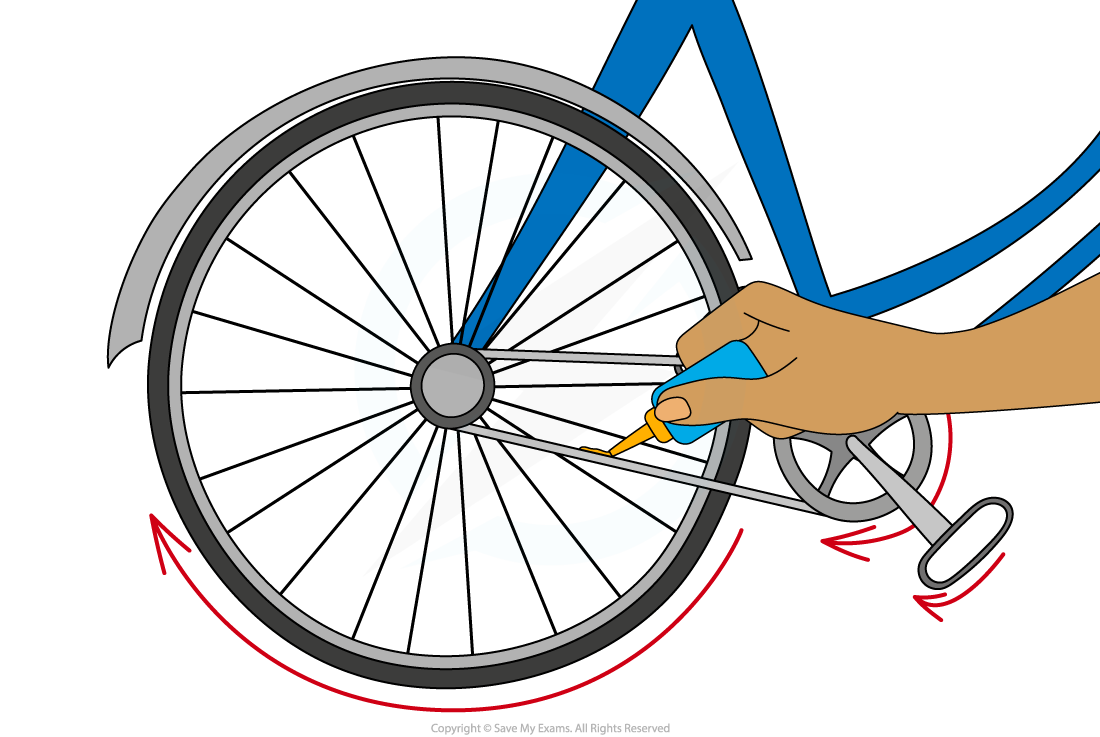
Friction is a major cause of wasted energy in machines
When an object moves against a surface, work is done against the frictional forces acting on it
This causes a rise in the temperature of the object and dissipates useful energy to the surroundings
For example, the gears on a bike can become hot if the rider has been cycling for a long time
Energy is transferred from the kinetic store of the gears and chain to the thermal store of the gears, chain and surrounding air
Lubrication reduces friction between surfaces that rub together, reducing the amount of useful energy that is wasted
Thermal insulation
In many situations, energy transferred by heating is wanted
For example, when heating a home or boiling a kettle
If this energy can be prevented from dissipating, less energy is needed to maintain the desired temperature
This can be achieved by surrounding the object or building with insulation
The effectiveness of insulation depends on two factors:
Thermal conductivity
The higher the thermal conductivity of a material, the higher the rate of energy transfer by conduction through it
Insulation materials should have low thermal conductivity
Thickness
Thicker insulation reduces the rate of energy transfer
Effect on buildings
The rate at which a building loses energy (rate of cooling) depends on the thickness and thermal conductivity of its walls
Thicker walls reduce the rate of cooling
So, energy takes longer to conduct through a greater depth of material
Walls made from materials with lower thermal conductivity also reduce the rate of cooling, as less energy is transferred by conduction per second
Examiner Tips and Tricks
Questions on this topic are qualitative only — you will not be asked to calculate rates of energy transfer through walls. Focus on being able to explain the direction of the relationship: thicker walls and lower thermal conductivity both reduce the rate of cooling of a building.
When asked what is meant by a material having high thermal conductivity, always reference the rate of energy transfer — a common exam error is to give vague answers such as "it withstands high temperatures." The correct answer is that it has a high rate of energy transfer by conduction.
For lubrication questions, the specification definition is: "work done against frictional forces causes a rise in temperature and dissipates useful energy". Use this language when asked to define or explain lubrication. In applied questions (e.g. "suggest a way to reduce energy loss in a machine"), simply stating "lubricate the parts" or "reduce friction" is sufficient.

Unlock more, it's free!
Join the 100,000+ Students that ❤️ Save My Exams
the (exam) results speak for themselves:

Was this revision note helpful?
Build on this topic