The Crimean War: Medical Care, Media & Public Opinion, 1854-56 (Edexcel A Level History: Paper 3 Options): Revision Note
Exam code: 9HI0

Summary
The lack of adequate medical care for British troops in Crimea prompted fierce criticism of the government
It also led to Florence Nightingale and Mary Seacole travelling to the Front to nurse the sick and injured
Nightingale went on to have a major impact on medical care in Britain and around the Empire
Newspaper reporters not only reported on the lack of medical care, but also a lack of organisation, suffering of ordinary soldiers and blunders by commanding officers
This led to a change in how the British public viewed the British military
Ordinary soldiers were widely seen as heroic, and their leaders viewed as incompetent
However, it did not turn the British people against the war and military victories were enthusiastically celebrated
The problems of medical care: Florence Nightingale and Mary Seacole
The problems of medical care before Nightingale and Seacole
Disease killed far more soldiers than battle, including:
Cholera
Dysentery
Typhus
Hospitals were overcrowded and unsanitary
The army's medical service had too few doctors and supplies
Wounded men faced a sea journey of about 300 miles across the Black Sea to reach Scutari
In Scutari, in November 1854, the death toll was over 100 soldiers a night
Insufficient medical care available to the troops in Crimea was reported in the press and caused a national outcry
This led to two individuals travelling to the Front in very different circumstances
Both were to have an impact and become well-known figures
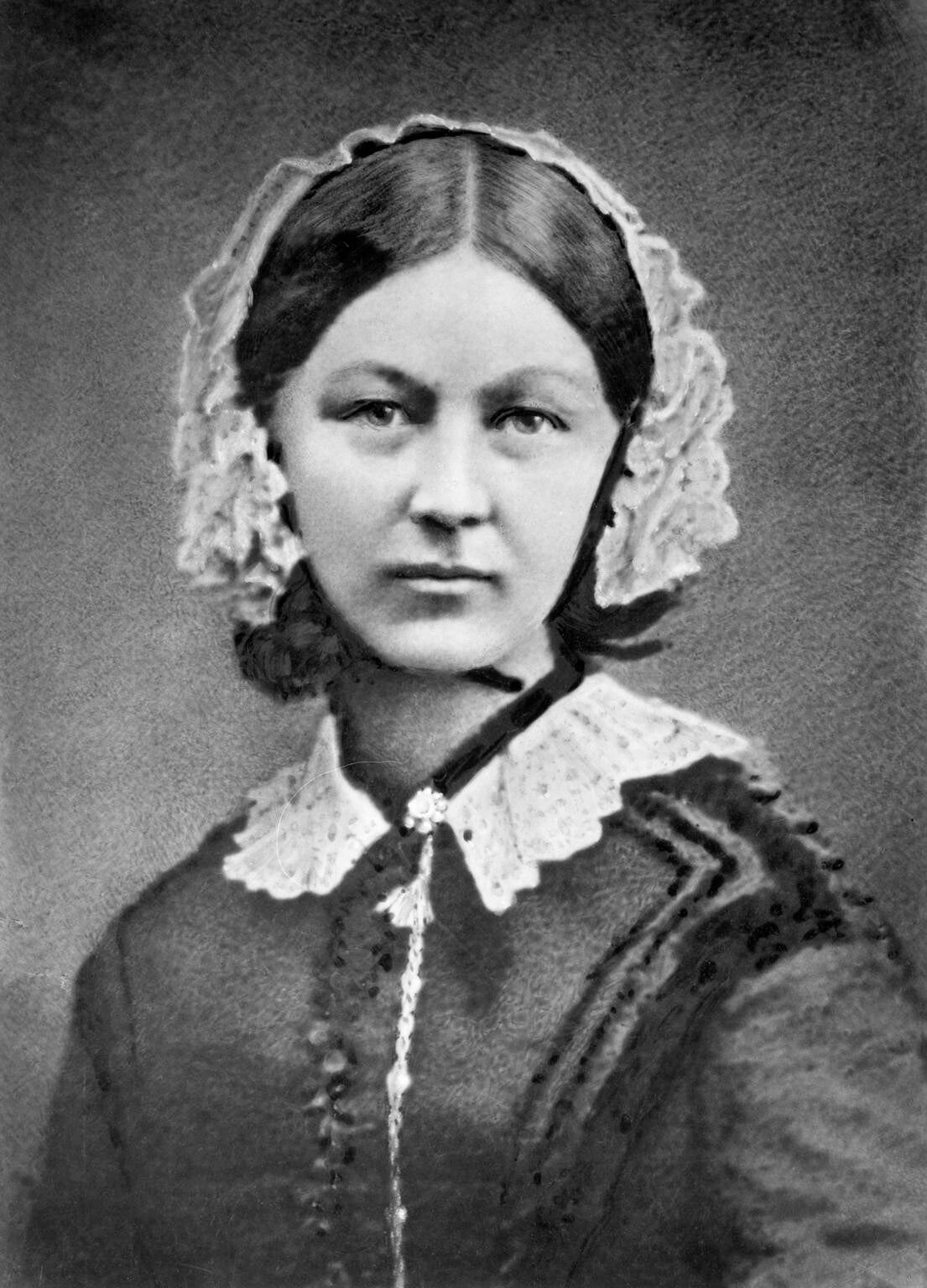
Florence Nightingale
Nightingale came from a wealthy background and, despite her family's objections, entered nursing
She became a personal friend of the Secretary at War, Sidney Herbert
After she volunteered, he sent her with 38 nurses to the British Army's Barrack Hospital at Scutari, in Constantinople, in November 1854
Nightingale organised the nursing, kitchens and laundry at Scutari and used money from The Times fund to buy supplies
Many army doctors resented female nurses and at first refused their help
Death rates at Scutari rose during her first winter there, and fell only after the Sanitary Commission
She kept careful records, and later used the statistics to press for reform
Her actions were soon being reported by the newspapers, which brought her unwanted fame
She used this fame to influence and improve hospital design and the training of nurses
Nightingale's influence was significant, and she changed the public's perception of nurses and nursing
As a pioneer of modern nursing, she inspired many women to join the profession
Mary Seacole
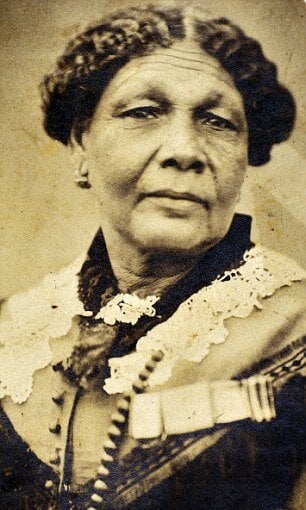
Seacole was born in Jamaica
She was the daughter of a Scottish man and a Jamaican mother
Seacole had no formal training but had worked to treat cholera victims in both Jamaica and Panama
When she read the reports of the suffering in Crimea, she travelled to London and volunteered to help
Her application was rejected, so she paid to travel to the Front herself
On the way, she met Nightingale at Scutari, then travelled on to Crimea
Seacole then built the British Hotel out of salvaged materials at Spring Hill, about two miles from the port of Balaclava
She used this 'hotel' to nurse sick soldiers whilst also selling food and drink
Like Nightingale, the efforts of Seacole were reported by the newspapers
When she returned to Britain penniless, the press publicised her plight and a fund was set up for her
Many people contributed to the fund, including Nightingale, and Seacole became a much cherished public figure
Government and public responses
Medical care did not improve through the work of Nightingale and Seacole alone
Public pressure, government inquiries and new hospitals also played a major part
The Times fund
In October 1854, after Russell’s reports, The Times launched a public fund for the sick and wounded
It raised around £25,000 from readers
The fund’s agent at Scutari, John MacDonald, used it to buy food, clothing and medical supplies that the army could not provide
The Sanitary Commission, 1855
In February 1855, the new government under Palmerston sent a Sanitary Commission to Scutari, led by Dr John Sutherland and the engineer Robert Rawlinson
It found blocked sewers, poor ventilation and a contaminated water supply
It cleared and flushed the drains, improved ventilation and cleaned the water supply
The death rate at the Barrack Hospital fell from about 42% in February 1855 to about 2% by June 1855
Nightingale later said the commission had saved the army
The McNeill-Tulloch inquiry
Sir John McNeill and Colonel Alexander Tulloch were sent to investigate the army’s supply system in Crimea
Their report, published in 1856, blamed the Commissariat and senior officers for shortages of food, clothing and shelter during the winter of 1854–55
This showed that much of the soldiers’ suffering came from poor organisation, not just from poor hospitals
Renkioi Hospital
The government asked the engineer Isambard Kingdom Brunel to design a prefabricated hospital
It was built in Britain, shipped out in parts and put up at Renkioi, near the Dardanelles in Turkey, in 1855
It had good ventilation, drainage and water supply, and only about 3% of its patients died
It opened late in the war, so it treated fewer patients than Scutari
Examiner Tips and Tricks
If a question asks about Nightingale’s contribution to medical care, weigh it against other factors, such as the Sanitary Commission, the Times fund and Renkioi. Don’t just list her achievements.
Reporting the war: Roger Fenton and William Russell
All wars feature terrible conditions, but the development of the electric telegraph system combined with the growing popularity of newspapers meant that the British public knew much more about the terrible conditions in Crimea
Newspapers were becoming cheaper and more widely read
New steam-powered printing presses could produce copies faster and more cheaply
In 1855, the government abolished the stamp duty on newspapers, a tax on every copy sold
Cheap papers such as the Daily Telegraph (founded 1855) soon sold for just one penny
From April 1855, a telegraph cable linked Crimea to London
Official news arrived within hours, although most newspaper reports still came by ship and took two to three weeks
The reports from the newspapers greatly influenced people's perceptions and opinions of the war
The Times editor, John Delane, used these reports to campaign against Raglan and the aristocratic leadership of the army
Roger Fenton
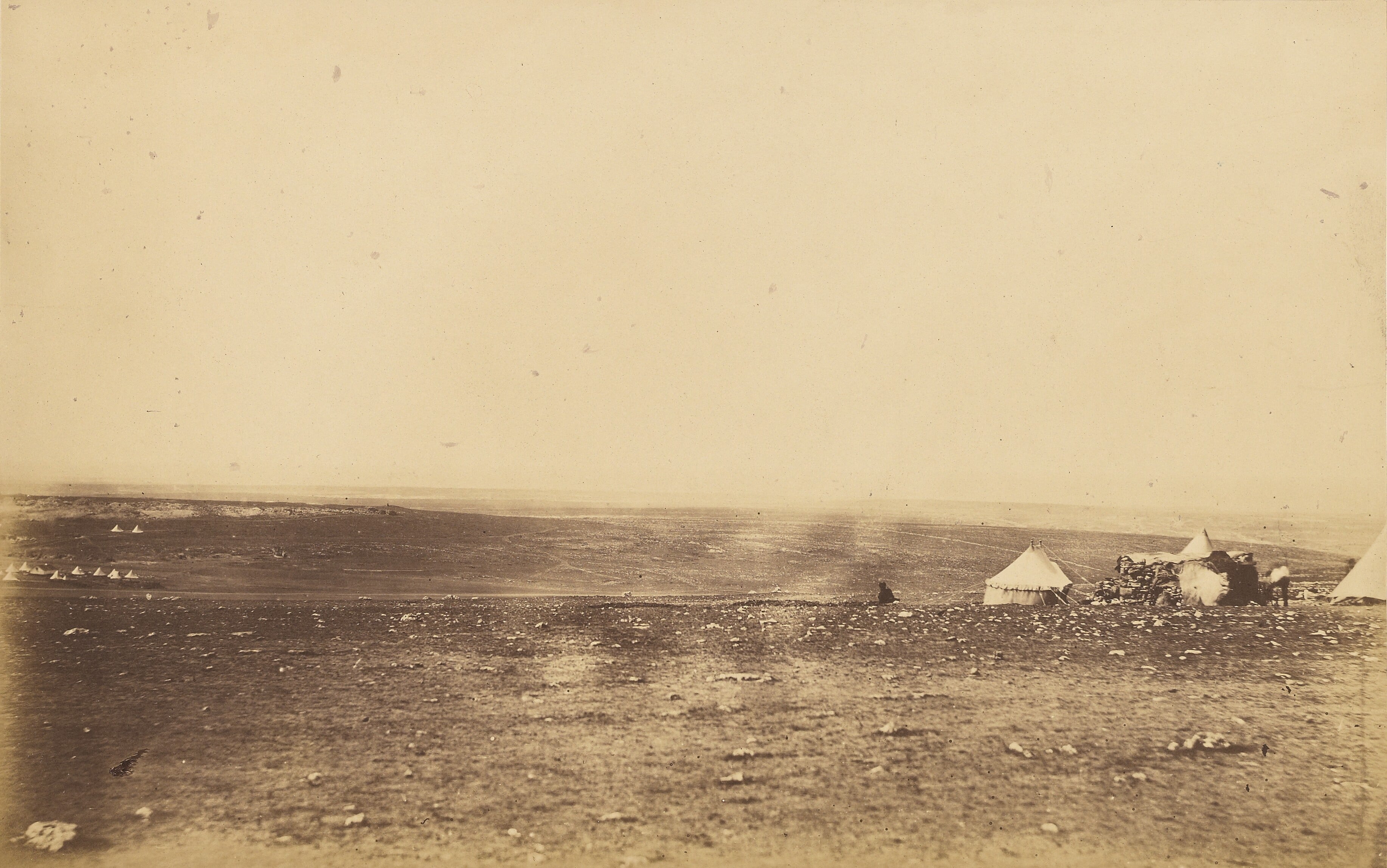
Fenton travelled to Crimea as the government's official war photographer
The government had hoped that Fenton would be able to provide a realistic view of conditions in Crimea
This, they believed, would give a more favourable impression than that described by the newspaper journalists
However, photographic technology was in its infancy in the 1850s
It was not possible to take shots of the fighting
Most of his photographs were landscapes and posed pictures of officers
Regardless of the photographs he took, the newspaper presses were unable to print them
Instead, hand-drawn wood engravings based on the photos were used
His photographs were also exhibited across England in 26 locations
Due to the low numbers of people able to see them, they had limited impact
William Howard Russell
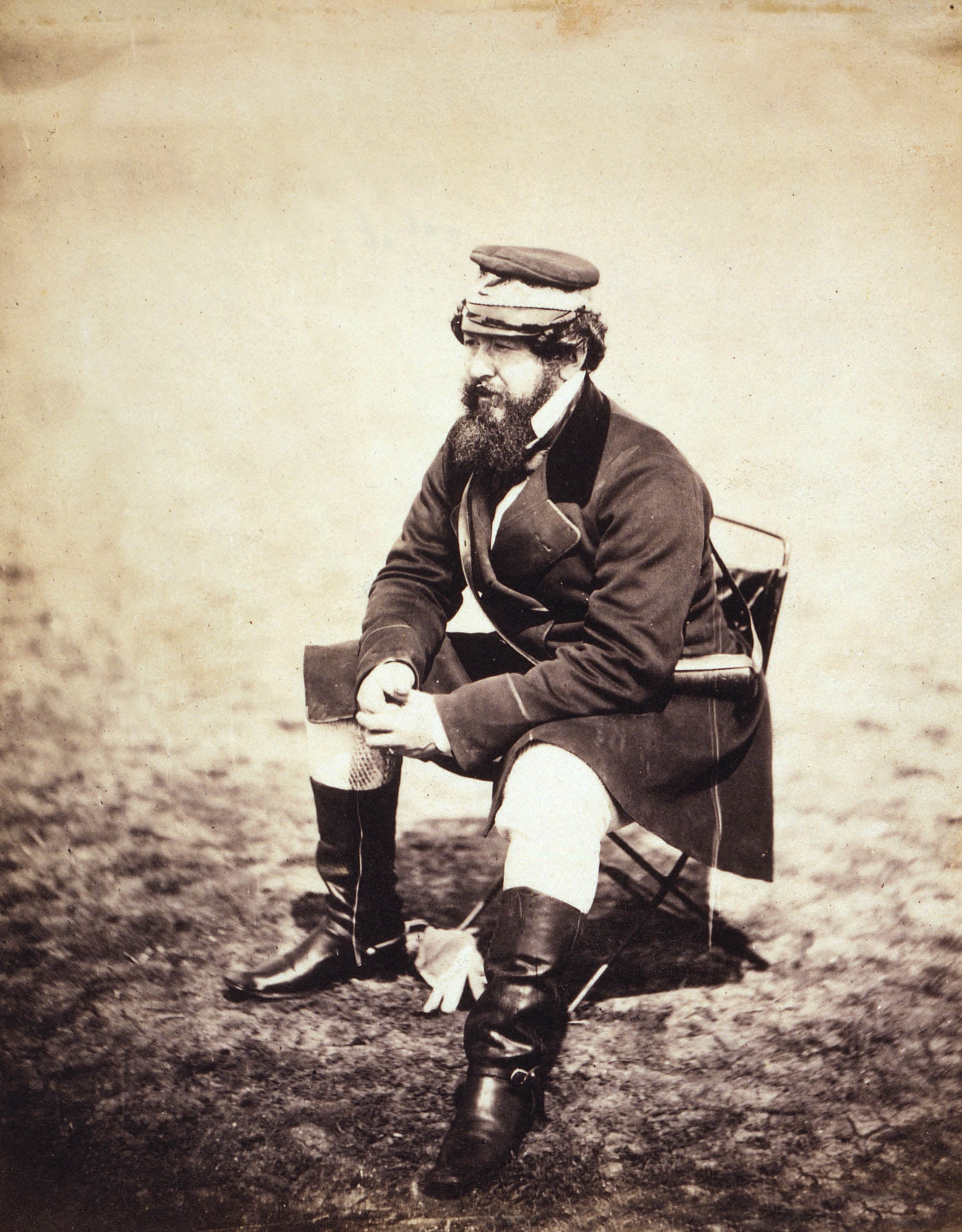
Although several newspaper reporters covered the Crimean War, William Howard Russell was the most influential
He was personally present at the Battle of Alma and the siege of Sebastopol
He wrote extensive reports that described the terrible conditions, the shortage of supplies and the poor treatment of the sick and wounded
Although he did not directly attack leaders such as Raglan, by highlighting mismanagement and disorganisation, he caused people to criticise the officers in charge
Russell often wrote about the bravery and skill of the ordinary British troops
Reports from people such as Russell, combined with disasters like the Charge of the Light Brigade, began to influence the public's perception of the British Army
It became common to see the ordinary soldier as brave and heroic whilst viewing the commanding officers as being incompetent
Hundreds of men had to go into the trenches at night with no covering but their greatcoats, and no protection for their feet but their regimental shoes. Many, when they took off their shoes, were unable to get their swollen feet into them again, and they might be seen barefoot, hopping along about the camp, with the thermometer at twenty degrees, and the snow half a foot deep upon the ground. The trenches were two and three feet deep with mud, snow, and half-frozen slush. Our patent stoves were wretched. They were made of thin sheet iron, which could not stand our fuel—charcoal. Besides, they were mere poison manufactories, and they could not be left alight in the tents at night.
An Extract from The British Expedition to the Crimea (1858) by William Howard Russell.
Approach
Russell's account is valuable because, as an eyewitness correspondent, he exposed the suffering caused by inadequate British military organisation. However, this version was published in 1858, after the war, so Russell had time to shape it for readers and with hindsight. That limits how far it can be treated as a record of the moment, but it shows how far the conduct of the war had come under public scrutiny.
The political impact: the fall of Aberdeen’s government
Newspaper reports turned public anger towards the government, not just the army’s commanders
The Times attacked ministers for the army’s suffering during the winter of 1854–55
In January 1855, the Radical MP John Roebuck proposed an inquiry into the condition of the army before Sebastopol
MPs voted for it by a large majority, 305 votes to 148
The Prime Minister, Lord Aberdeen, resigned because the vote showed he had lost the confidence of Parliament
Lord Palmerston became Prime Minister in February 1855
He was seen as energetic and patriotic, and he was popular with the public
His government sent the Sanitary Commission and the McNeill-Tulloch inquiry to Crimea
This was the first time public opinion, shaped by war reporting, had helped bring down a government during a war
Examiner Tips and Tricks
If a question asks whether Fenton and Russell were mainly responsible for changing attitudes, weigh them against other factors: cheaper newspapers after 1855, events such as the charge of the Light Brigade, and Parliament’s role in bringing down Aberdeen’s government.
How far did the Crimean War change British attitudes to warfare?
The argument that the Crimean War completely changed British attitudes to warfare
The public were exposed to the realities of war to a far greater degree than ever before
They read reports on wounded soldiers, shortages, disease, lack of transport and mismanagement for the first time
Photographs, though limited in their impact, enabled people to see the soldiers and the landscapes involved
These reports led to people being more critical of military leaders like Raglan
It became popular to see ordinary soldiers as heroic and their leaders as incompetent
Events such as the charge of the Light Brigade seemed to encapsulate this
Public expectations of how soldiers should be treated also changed
The celebration of the work of Florence Nightingale and Mary Seacole is evidence that the British public strongly believed the soldiers should be cared for
The argument that the impact of the Crimean War on British attitudes has been overstated
Support for the war remained strong despite the details of the reports
Attitudes remained anti-Russian rather than anti-war
The victories in battles such as Alma and Inkerman led to public celebrations
Although more people believed the Army leadership was capable of mistakes, they still believed orders should be followed
Tennyson's poem The Charge of the Light Brigade celebrates the obedience and honour of the men who sacrificed their lives despite knowing a blunder had been made
Soldiers and war in general continued to be viewed as heroic
Judgement
The Crimean War changed public attitudes to the conduct of the war, and to how wars should be fought and organised, but did not make the British public anti-war
People increasingly expected strong and competent leadership and proper medical care for their soldiers
But they still admired soldiers and the military, and support for wars to maintain Britain's position remained strong

Unlock more, it's free!
Join the 100,000+ Students that ❤️ Save My Exams
the (exam) results speak for themselves:

Was this revision note helpful?