The Crimean War, Military Conduct, 1854-56 (Edexcel A Level History: Paper 3 Options): Revision Note
Exam code: 9HI0

Summary
Britain went to war with Russia in 1854 over Russia's attempts to gain access to the Mediterranean
It was Britain's first major European war since 1815
Britain sent 26,000 troops to Crimea under the command of 65-year-old Lord Raglan
The organisation of supplies and medical provision was chaotic and led to great suffering
The soldiers performed very well on the battlefield, however, and won victories at Alma, Balaclava and Inkerman
The charge of the Light Brigade at Russian artillery, however, was a military disaster and led to accusations of incompetence despite the skill and bravery of the troops
Britain was ultimately successful and forced Russia to abandon Sebastopol and its ambitions to access the Mediterranean
Facing the Russian threat: Alma, Balaclava and the Siege of Sebastopol
When Russia began invading lands that belonged to the Ottoman Empire, Britain and France viewed it as a strategic threat
They were determined to prevent Russia from gaining access to the Mediterranean
In March 1854, Britain and France became allies and declared war on Russia
The Crimean War was the first major European war since 1815
The Battle of Alma
In September 1854, a combined British and French force of 63,000 troops landed in Crimea
The plan was to march across land and capture the Russian naval base at Sebastopol
When they reached the River Alma on 20 September 1854, they were met by a Russian army that had occupied the high ground surrounding the river
The Russians were outnumbered and were forced to withdraw after some fierce fighting, despite their strong position
The head of the British Expeditionary Force of 26,000 men was Lord Raglan
He wanted to press on towards Sebastopol after the victory at Alma
His French counterpart refused, and the Russians were allowed to retreat, regroup and reinforce Sebastopol's defences
Britain's troops had performed well in this first engagement
However, the Battle of Alma had exposed a lack of training in some troops and poor leadership from some officers
The Battle of Balaclava
The Allied forces slowly proceeded towards Sebastopol and laid siege to the town in October 1854
British troops took up positions around the tiny nearby port of Balaclava
On 25 October 1854, a Russian field army attacked from outside the siege lines, aiming to capture the British supply base at Balaclava
The 93rd Highlanders, commanded by Sir Colin Campbell, faced an attack by Russian cavalry
Instead of forming the traditional defensive infantry square, Campbell deployed his men in a thin line, roughly two ranks deep
The Highlanders fired disciplined volleys that helped drive back the Russian cavalry
The Times correspondent William Howard Russell described them as a “thin red streak tipped with a line of steel,” which later became the phrase “the Thin Red Line.”
The episode became a celebrated symbol of British discipline, courage and military professionalism
However, misunderstood orders led to the Light Brigade being sent to attack well-positioned and well-defended Russian artillery
The charge of the Light Brigade was a disaster, with almost half of the men who took part either being killed, injured or captured
The Russians kept the Causeway Heights and the only paved road to the siege lines, so British supplies had to use a muddy track through the winter
I
Half a league, half a league,
Half a league onward,
All in the valley of Death
Rode the six hundred.
“Forward, the Light Brigade!
Charge for the guns!” he said.
Into the valley of Death
Rode the six hundred.
II
“Forward, the Light Brigade!”
Was there a man dismayed?
Not though the soldier knew
Someone had blundered.
Theirs not to make reply,
Theirs not to reason why,
Theirs but to do and die.
Into the valley of Death
Rode the six hundred.
An extract from the poem The Charge of the Light Brigade by Alfred, Lord Tennyson, written in December 1854
Approach
Tennyson wrote this poem only weeks after the charge at the Battle of Balaclava, based on newspaper reports. He was Poet Laureate and an important public figure, meaning the poem was written for a British audience while the Crimean War was still being fought. This makes it valuable for understanding contemporary British attitudes towards the soldiers and the conduct of the war.
The poem strongly praises the courage, discipline and sacrifice of the ordinary soldier, but the phrase “Someone had blundered” acknowledges the command failure that sent them into danger. This makes it a valuable source for investigating the argument that Britain fought the Crimean War with courage at the level of the ordinary soldier but weaknesses in command and organisation at senior level.
The Battle of Inkerman
Although the British troops had repelled the attack on Balaclava, the battle still boosted the morale of the Russian troops
It was boosted further in November when they were joined by a large number of reinforcements
The new Russian troops were immediately sent into action, and they attacked Inkerman Ridge, which was held by small units of British infantry
Despite being massively outnumbered, the British troops managed to hold on to the Ridge until the arrival of French troops caused the Russians to retreat
An estimated 597 British soldiers were killed and 1,860 wounded
The Russians suffered over 11,000 casualties
The Siege of Sebastopol
Although Britain's troops had been well equipped to fight in Crimea, they had not been equipped to spend a winter there
The weather is cold and wet during the winter in Crimea, and the lack of tents combined with the lack of firewood made conditions very difficult for British troops
Supplies were dispatched from Britain and travelled the 4,000 miles to Crimea with ease
However, moving the supplies six miles from the port of Balaclava to the siege lines around Sebastopol was far more difficult
Scenes around Balaclava were chaotic and led to troops suffering from exposure without essential fuel, tents, clothing or food
This led to an official investigation, known as the McNeill-Tulloch report, which strongly criticised the organisation of the Army
The supply crisis also led to the construction of the Grand Crimean Central Railway by civilian contractors in 1855
The railway connected Balaclava with British positions around Sevastopol
This allowed food, ammunition and other supplies to be transported much more efficiently
It demonstrated how industrial technology and civilian expertise could improve military logistics and contributed to the more effective continuation of the siege
The capture of Sebastopol
The harsh winter of 1854–55 meant that the British and French held their ground rather than attack
They renewed assaults in June, but these failed
In September, with another winter approaching, the French captured the Malakoff fortress on 8 September 1855 (the British attack on the Redan failed), and the Russians abandoned Sebastopol
The Crimean War was formally ended with the signing of the Treaty of Paris in March 1856
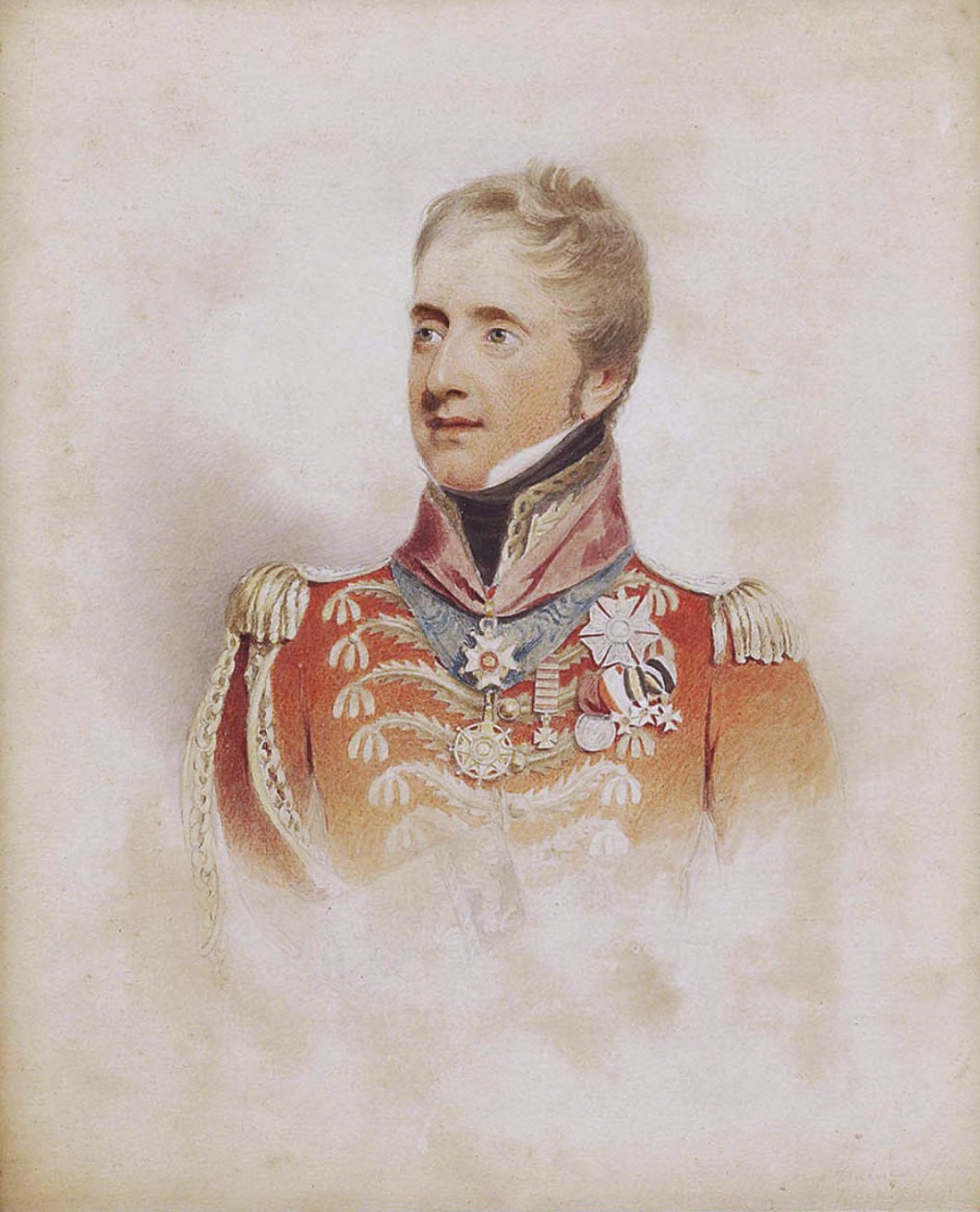
The role of Lord Raglan
Lord Raglan was the head of the British Expeditionary Force
He had fought at Waterloo and lost an arm in the battle
By the time of the Crimean War, he was 65 years old and had not been involved in any military action since 1815
He had spent his career as a staff officer and had never commanded an army in the field
He left Balaclava weakly defended, which let the Russians seize the Causeway Heights
He struggled to work with the French commander, Saint-Arnaud, after Alma
Although he was seen as brave and capable, he was criticised as being outdated
He had served with the Duke of Wellington and then became his military secretary
Wellington had enormous influence over both Raglan and the British Army in general
Wellington strongly believed that the methods he had used to defeat Napoleon in the Peninsular War and Waterloo remained the best methods
As the war dragged into 1855, newspapers and politicians criticised Raglan for his failure to innovate
Raglan was also blamed for the failure to supply his troops
However, incompetent Commissariat officials were more responsible than Raglan
Responsibility was shared across a divided system
The Commissariat answered to the Treasury, and the army had no proper land transport
Raglan also bore some responsibility for the disastrous charge of the Light Brigade
He saw Russian troops attempting to remove captured British guns from the battlefield and ordered the cavalry to prevent this
However, his written orders were vague and poorly worded
Lord Lucan, who commanded the cavalry, could not see the captured guns and assumed the orders referred to the Russian artillery
He ordered Lord Cardigan, commander of the Light Brigade, to attack
Captain Nolan, who delivered the orders, failed to clarify which guns were meant, and many lives were lost unnecessarily
Raglan died of dysentery whilst in Crimea in June 1855 and did not live to see the Russians abandon Sebastopol
Examiner Tips and Tricks
If a question asks whether Raglan was primarily responsible for the army's problems, weigh his decisions against the Commissariat, the medical services and the weak army system he inherited. Avoid telling the story of the Light Brigade: use it as evidence and move on.
How effectively did Britain conduct the Crimean War?
The argument that Britain conducted the war poorly
The organisation was chaotic, and men were exposed without tents, fuel or food throughout the winter of 1854-55
The command of the Army under Lord Raglan was confused and outdated
The disastrous charge of the Light Brigade was symbolic of this
Vague instructions were misinterpreted
This led to accusations of incompetence, even though the British soldiers fought bravely
The argument that Britain conducted itself effectively during the war
The British Army performed impressively and won the important battles
Alma, Inkerman and even Balaclava, despite the Light Brigade disaster, were British victories
The supply system, although chaotic at the start, did improve
Medical provision did improve
Britain harnessed its superior technology in the form of steamships, railways and the telegraph system to help win the war
Sebastopol was captured by British and French troops, and Russia was prevented from gaining access to the Mediterranean
Judgement
The Crimean War exposed inadequacies in British organisation, logistics and medical provision
It showed that the British Army, as an organisation, had failed to keep up with technological developments
However, the troops remained effective on the battlefield, captured Sebastopol and forced Russia to accept peace
Although it was fought in an incompetent way at the beginning, it was ultimately successful

Unlock more, it's free!
Join the 100,000+ Students that ❤️ Save My Exams
the (exam) results speak for themselves:

Was this revision note helpful?